Houthi strikes on Saudi Arabia test Pakistan's three defence pacts
Synopsis
Pakistan signed three overlapping defence agreements pledging to treat an attack on Saudi Arabia as an attack on itself — then stayed silent as Houthi missiles and drones struck the kingdom. With Islamabad holding a senior command post in a maritime coalition meant to guard the very strait Houthis are threatening, the gap between treaty text and actual response is becoming impossible to ignore.
Key Takeaways
Pakistan has not activated any military response under the Mecca Joint Defence Agreement despite ongoing Houthi strikes on Saudi Arabia .
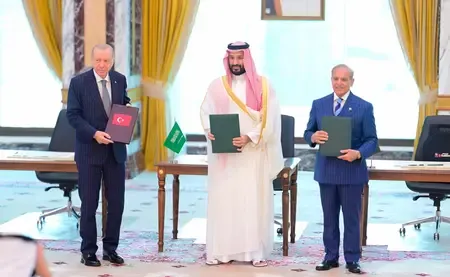
The Mecca Joint Defence Agreement was signed on 7 August 2026 by Saudi Arabia , Turkey , and Pakistan , treating an attack on one as an attack on all.
A separate bilateral Strategic Mutual Defence Agreement between Pakistan and Saudi Arabia was signed in September 2025 with identical collective-defence language.
Pakistan holds the second-highest command position in a 14-country maritime coalition launched by Saudi Arabia on 30 July to protect the Red Sea and Bab al-Mandeb .
Pakistan's Foreign Ministry said on 10 September that no military response under the Mecca pact was under discussion, contradicting earlier remarks by Defence Minister Khawaja Asif .
Analysts warn Islamabad faces pressure simultaneously on three fronts, and its credibility as a collective-defence partner is now at stake.
Renewed Houthi missile and drone strikes on Saudi Arabia are placing Pakistan's overlapping defence commitments under unprecedented scrutiny, with Islamabad yet to activate any military response despite being bound by three interlocking security agreements with Riyadh. The gap between Pakistan's treaty obligations and its actual posture has drawn sharp attention from analysts tracking the region's shifting security architecture.
Three Agreements, One Silence
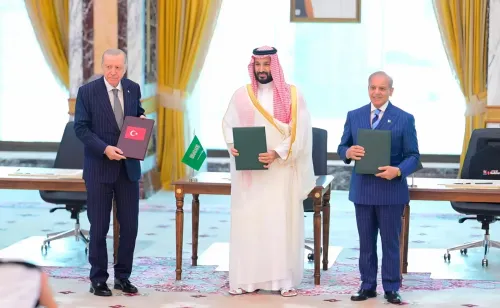
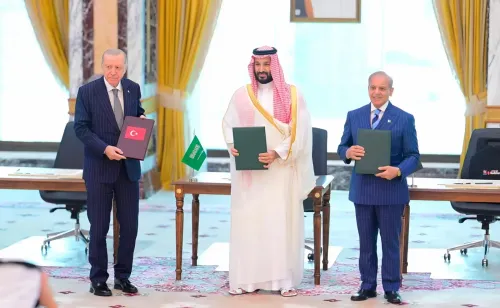
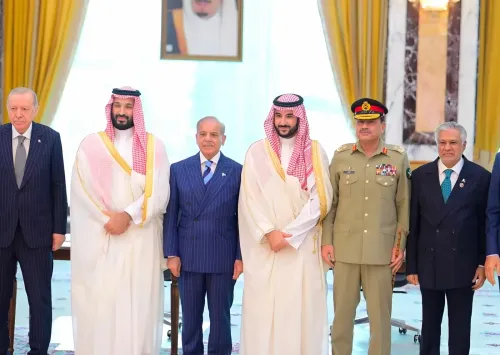
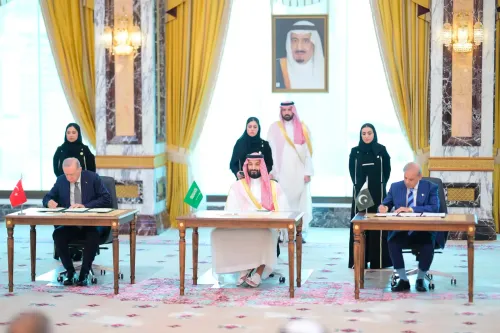
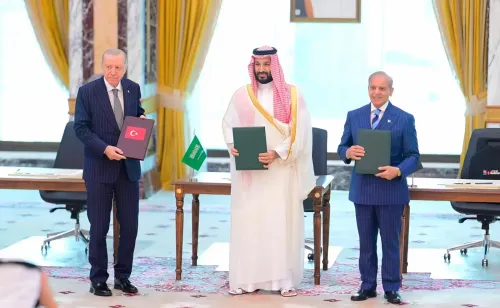
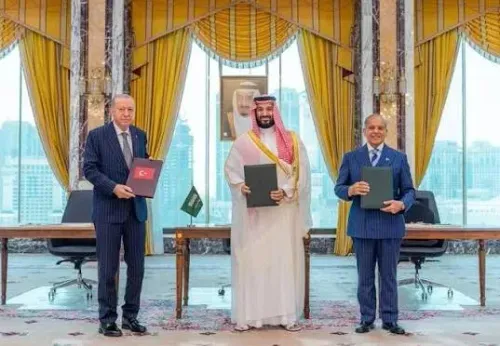
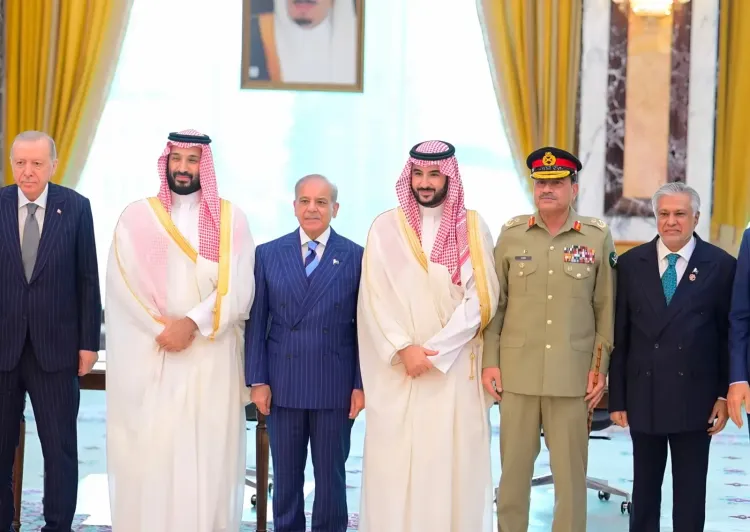
Pakistan is simultaneously bound by the bilateral Strategic Mutual Defence Agreement, signed in September 2025, which treats an attack on either country as an attack on both; the trilateral Mecca Joint Defence Agreement, signed on 7 August 2026 in Mecca by Saudi Crown Prince Mohammed bin Salman, Turkish President Recep Tayyip Erdogan, and Pakistani Prime Minister Shehbaz Sharif; and a senior command position in the Multinational Maritime Defense Coalition, a 14-country grouping that Saudi Arabia launched on 30 July to protect shipping through the Red Sea, Gulf of Aden, and Bab al-Mandeb.
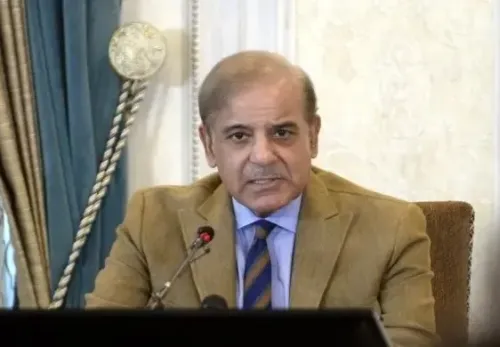
All three frameworks use near-identical collective-defence language — an armed attack on one signatory is to be regarded as an attack on all. Yet Pakistan's Foreign Ministry stated on 10 September that no military response under the Mecca pact was under active discussion, according to reports citing the online magazine American Thinker.
A Contradiction in Islamabad's Position
The Foreign Ministry's stance appears to conflict with earlier public remarks by Pakistani Defence Minister Khawaja Asif, who had indicated that the Mecca Agreement would be triggered if fighting spilled onto Saudi soil. Houthi strikes have repeatedly targeted Saudi territory, raising the question of whether that threshold has already been crossed. Islamabad has not publicly clarified the discrepancy.
Pakistan has described the Mecca pact as 'a tool of collective deterrence,' a framing that critics argue is difficult to sustain if the deterrent is never activated. This is not the first time Islamabad has navigated a delicate line between its security commitments to Riyadh and its preference for non-intervention in Yemen-linked conflicts — in 2015, Pakistan's parliament voted against deploying troops to the Saudi-led coalition fighting Houthi forces, a decision that strained bilateral ties at the time.
The Maritime Front and Bab al-Mandeb
The pressure on Pakistan is compounded by its role in the maritime coalition, where it holds the second-highest command position. Houthi forces have explicitly threatened the Bab al-Mandeb strait — the precise corridor the coalition is designed to protect. Thousands of Pakistani troops are also reportedly stationed in Saudi Arabia under existing bilateral security arrangements, adding a direct on-the-ground dimension to the commitment gap.
According to reports, Islamabad now faces simultaneous pressure across all three fronts: its bilateral defence pact, the trilateral Mecca Agreement, and its senior maritime coalition role.
What Comes Next
Analysts quoted in the report framed the central question starkly: 'Hence, the question is no longer what Pakistan promised. It is whether Islamabad will act on it.' The 2026 situation, they noted, is becoming increasingly difficult for Islamabad to sidestep as Houthi activity intensifies. How Pakistan responds — or continues not to respond — will significantly shape its credibility as a collective-defence partner and its standing with both Saudi Arabia and Turkey going forward.
Point of View
Then publicly stated that none of them are under activation. The 2015 parliamentary vote against joining the Saudi-led Yemen coalition showed that domestic political constraints can override treaty obligations; the question is whether that precedent now permanently hollows out Pakistan's credibility as a defence partner. For Saudi Arabia and Turkey, a pact that is invoked only in the absence of actual conflict is not deterrence — it is optics. The longer Islamabad equivocates, the more it risks being seen as a partner that signs agreements it does not intend to honour, which carries long-term costs for its standing in the Gulf and beyond.
NationPress
3 Oct 2026
Frequently Asked Questions
What is the Mecca Joint Defence Agreement and who signed it?
The Mecca Joint Defence Agreement is a trilateral collective-defence pact signed on 7 August 2026 in Mecca by Saudi Arabia, Turkey, and Pakistan, under which an armed attack on any one signatory is treated as an attack on all three. It was signed by Saudi Crown Prince Mohammed bin Salman, Turkish President Recep Tayyip Erdogan, and Pakistani Prime Minister Shehbaz Sharif.
Why has Pakistan not responded militarily to Houthi attacks on Saudi Arabia?
Pakistan's Foreign Ministry stated on 10 September that no military response under the Mecca pact was under discussion, without providing a detailed explanation. This position appears to contradict both the agreement's collective-defence provisions and earlier remarks by Defence Minister Khawaja Asif, who had indicated the pact would apply if fighting reached Saudi soil.
What is Pakistan's role in the Multinational Maritime Defense Coalition?
Pakistan holds the second-highest command position in the 14-country Multinational Maritime Defense Coalition, which Saudi Arabia launched on 30 July to protect shipping through the Red Sea, Gulf of Aden, and Bab al-Mandeb. Houthi forces have explicitly threatened the Bab al-Mandeb strait, directly testing Pakistan's commitment within this coalition.
How does the current situation compare to Pakistan's 2015 decision on Yemen?
In 2015, Pakistan's parliament voted against deploying troops to the Saudi-led coalition fighting Houthi forces, straining bilateral ties at the time. The current posture suggests a similar reluctance to translate security commitments into active military engagement, despite the significantly expanded treaty architecture now in place.
What are the consequences if Pakistan continues to withhold a military response?
Analysts warn that continued inaction risks undermining Pakistan's credibility as a collective-defence partner with both Saudi Arabia and Turkey. With Islamabad holding a senior maritime command role and thousands of troops stationed in the kingdom, a sustained gap between treaty obligations and actual response could have lasting diplomatic and strategic costs.