Mecca Pact credibility under scrutiny as Pakistan hedges on Houthi attacks
Synopsis
The Houthis' strikes on Saudi Arabia have handed the six-week-old Mecca Pact its first real test — and Pakistan's response so far has been to warn without acting. With Islamabad explicitly ruling out military moves even as the pact's 'attack on one is attack on all' clause sits on the table, the agreement's value as a genuine security guarantee, rather than a political declaration, is now openly in question.
Key Takeaways
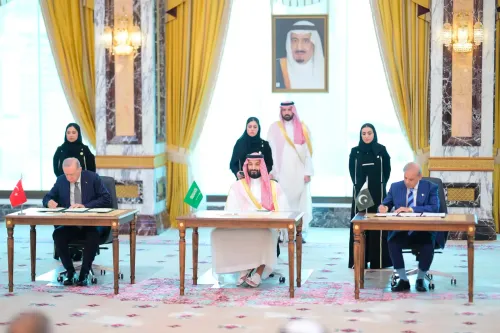
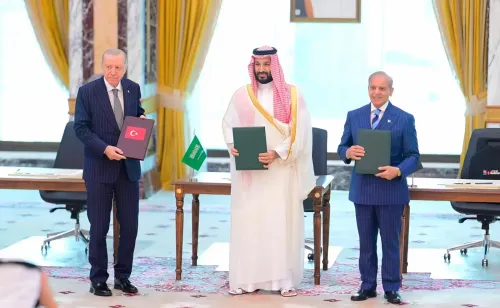
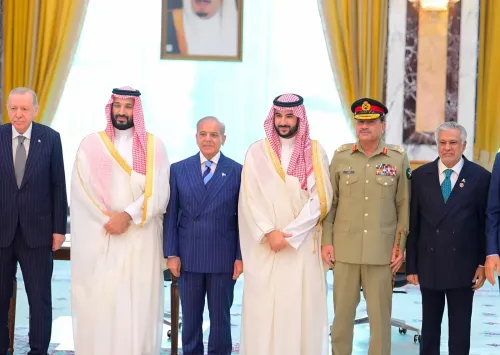
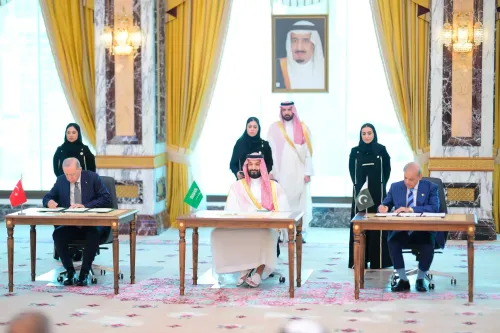
Pakistan , Saudi Arabia , and Turkey signed the Mecca Joint Defence Agreement on 7 August 2026 , pledging collective defence.
On 8 September 2026 , Pakistan warned the Houthis that attacks on Saudi Arabia could invoke the pact — but simultaneously clarified no military action was under discussion.
The contradiction has exposed a 'central ambiguity' over whether the pact is a political commitment or a functioning collective-defence mechanism.
Analysts argue diplomatic condemnation alone is insufficient to establish collective-security credibility.
The pact is currently assessed as stronger as a political and defence alignment framework than as a demonstrated security guarantee.
Pakistan's measured response to the latest Houthi attacks on Saudi Arabia has drawn fresh scrutiny over the practical value of the Mecca Joint Defence Agreement, raising pointed questions about whether Islamabad is prepared to honour a collective-security commitment when a treaty partner faces direct military threat.
The Mecca Pact and Its Core Pledge
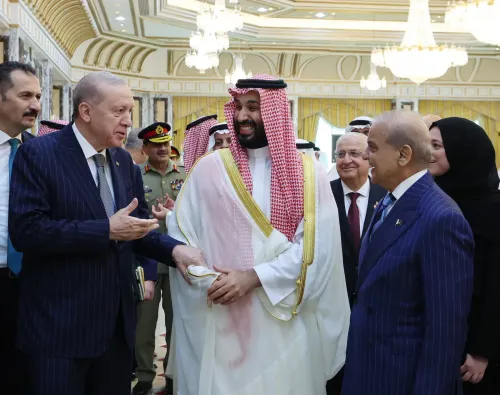
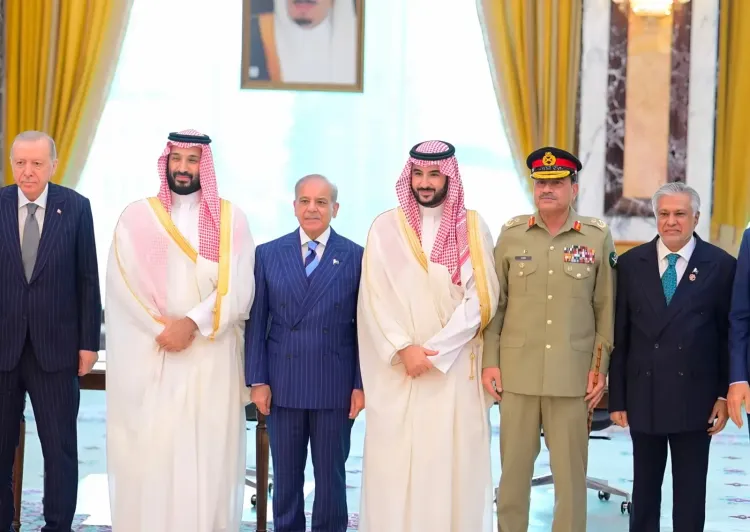
On 7 August 2026, Pakistan, Saudi Arabia, and Turkey signed the Mecca Joint Defence Agreement, with language stipulating that 'any armed attack against any one of the three states shall be regarded as an attack against them all.' The pact was presented as a landmark collective-defence framework anchored in Islamic solidarity and strategic alignment among three of the Muslim world's most influential states.
Pakistan's Cautious Posture
Islamabad has condemned the Houthi strikes and, on 8 September 2026, formally warned the Houthis that continued aggression against Saudi Arabia could bring the pact's collective-defence clause into play. Yet in the same breath, Pakistani officials clarified that no military response was currently under discussion — a qualification that, according to analysis, exposed a 'central ambiguity' at the heart of the arrangement.
Notably, Pakistan appears to be threading a familiar needle: reaffirming its strategic relationship with Riyadh while avoiding entanglement in another prolonged regional conflict. This comes amid Islamabad's historically fraught calculus in Middle Eastern disputes, where economic dependence on Gulf remittances and military ties compete with the cost of direct intervention.
The Credibility Question
Analysts argue the pact now faces its first real stress test. 'Diplomatic condemnation alone cannot establish that credibility,' according to a report by The Earth News, which assessed Pakistan's conduct as 'notably cautious' relative to the pact's stated obligations. The report drew a distinction between the agreement functioning as a political commitment — in which case Islamabad's stance is broadly consistent with conventional diplomacy — versus a genuine collective-defence mechanism, in which case the absence of any announced military contribution raises deeper questions.
'The more expansive the language of collective defence, the greater the expectation that members will demonstrate both the capability and willingness to act when another member is threatened,' the report noted. The immediate crisis may resolve without forcing Pakistan's hand, but the structural ambiguity is unlikely to disappear.
Wider Implications for the Pact
The episode underscores a recurring tension in multilateral defence agreements: the gap between declaratory policy and operational commitment. For Saudi Arabia and Turkey, the question is whether the Mecca Pact provides genuine security assurance or primarily serves as a diplomatic signalling device. For Pakistan, navigating that gap without damaging ties to Riyadh — one of its most important economic partners — remains the central challenge.
The report concluded that 'until that question has a clearer answer, the Mecca Pact remains stronger as a framework for political and defence alignment than as a demonstrated collective-security guarantee.' How the three signatories manage the next escalation will likely define the pact's long-term standing.
Point of View
So far, is that it does not know either.
NationPress
17 Sept 2026
Frequently Asked Questions
What is the Mecca Joint Defence Agreement?
The Mecca Joint Defence Agreement is a collective-defence pact signed on 7 August 2026 by Pakistan, Saudi Arabia, and Turkey, stipulating that an armed attack on any one of the three states shall be considered an attack on all. It was framed as a landmark security framework among three major Muslim-majority nations.
How has Pakistan responded to the Houthi attacks on Saudi Arabia?
Pakistan has condemned the Houthi strikes and on 8 September 2026 warned that continued attacks on Saudi Arabia could invoke the pact's collective-defence clause. However, Islamabad also clarified that no military response was under discussion, a position critics say undermines the pact's credibility.
Why does Pakistan's response raise questions about the Mecca Pact?
The pact's language commits all three signatories to treat an attack on one as an attack on all, yet Pakistan has explicitly ruled out military action. Analysts argue that diplomatic condemnation without any announced military contribution creates ambiguity about whether the agreement functions as a genuine security guarantee or merely a political declaration.
What are the broader implications for Saudi Arabia and Turkey?
For Saudi Arabia and Turkey, Pakistan's hedged posture raises questions about whether the Mecca Pact provides real security assurance in a crisis. The episode is seen as the agreement's first operational stress test, and the outcome could shape how the pact is perceived — and relied upon — in future conflicts.
What is the current assessment of the Mecca Pact's effectiveness?
According to analysis, the Mecca Pact currently functions better as a framework for political and defence alignment than as a demonstrated collective-security guarantee. Until Pakistan and its partners clarify what military obligations the pact actually entails, that ambiguity is likely to persist.