Pakistan dodges military action despite NATO-like Mecca Pact after Houthi drone near holy city
Synopsis
Pakistan signed a NATO-style defence pact with Saudi Arabia pledging 'an attack on one is an attack on all' — yet when Houthi drones reached near Mecca, Islamabad offered words, not weapons. The gap between the pact's sweeping language and Pakistan's strategic paralysis reveals an alliance that may be more symbol than shield.
Key Takeaways
Pakistan condemned the Houthi drone strike near Mecca on 16 September 2026 but stopped short of any military commitment.
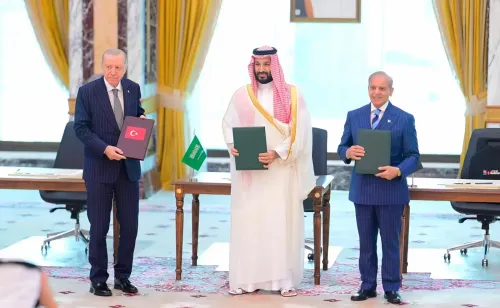
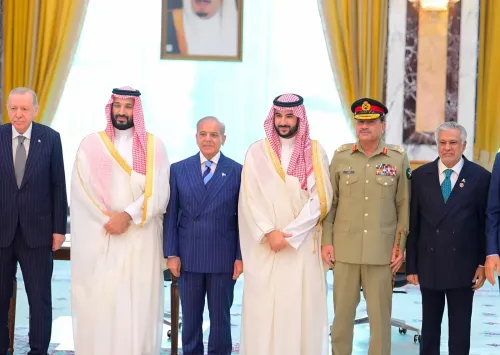
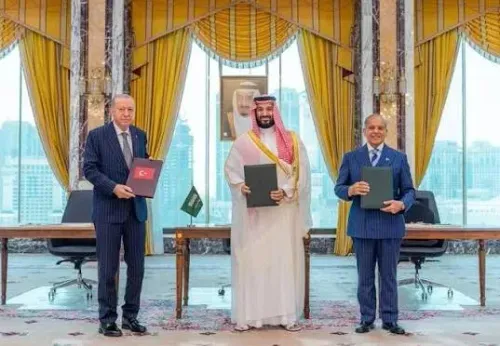
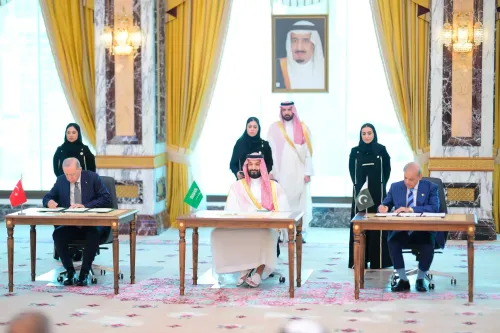
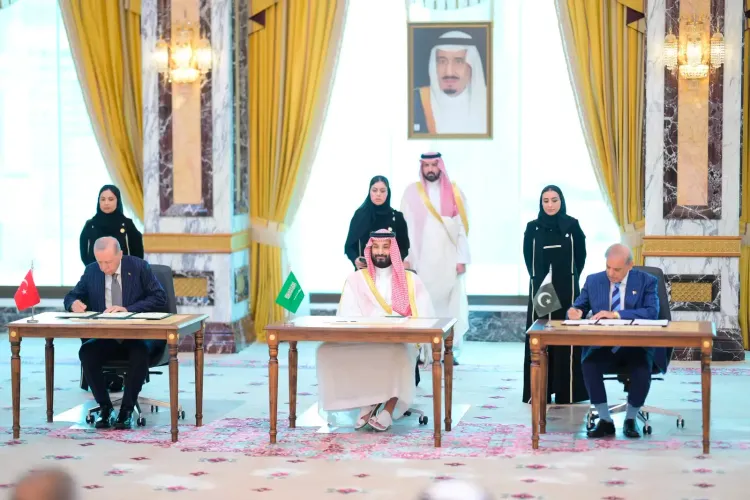
The Makkah Joint Defence Pact , signed by Pakistan and Saudi Arabia in September 2025 and joined by Turkey last month, mirrors NATO's collective-defence clause.
Earlier reports suggested Pakistan had deployed around 8,000 soldiers and a dozen fighter jets to protect Saudi territory under the pact.
Pakistan's military spokesperson Lt.
Ahmed Sharif Chaudhry described the alliance as 'collective deterrence' with 'no regional aspirations'.
Pakistan's reluctance is driven by its shared border with Iran , its mediator role between Washington and Tehran , and acute economic dependence on Gulf remittances and Saudi financial aid.
Analysts say the pact's operational details remain vague, with activation dependent on 'the nature of aggression and collective decision-making.'
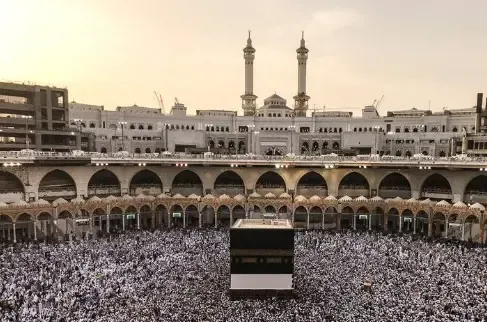
Pakistan on Wednesday, 16 September 2026, condemned a drone strike attempted by Yemen's Houthi rebels near the holy city of Mecca in Saudi Arabia, but stopped well short of any military commitment — despite being a signatory to the Makkah Joint Defence Pact, a trilateral alliance with Riyadh and Ankara explicitly modelled on NATO's collective defence clause. The restraint has drawn sharp attention to the gap between the pact's sweeping language and the operational realities constraining Islamabad.
The Makkah Pact and Its Promises
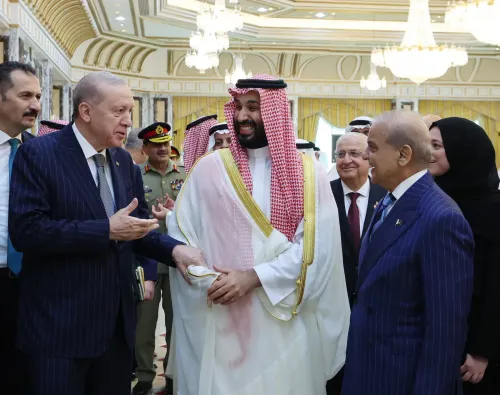
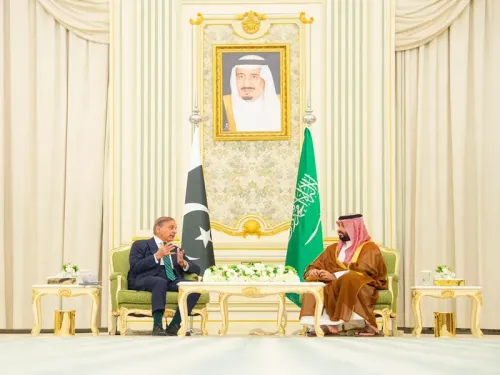
Pakistan initially signed the Makkah Joint Defence Pact with Saudi Arabia in September 2025, pledging that any attack on one signatory would be treated as an attack on all — language drawn almost verbatim from NATO's Article 5. The pact promised Pakistani manpower and nuclear-backed deterrence for Riyadh. Early reports suggested Pakistan had deployed around 8,000 soldiers and a dozen fighter jets to protect Saudi territory.
Turkey joined the alliance last month, building on an earlier Strategic Mutual Defence Agreement concluded amid the ongoing Iran war. For Ankara, membership signalled influence in the Gulf; for Islamabad, it was an opportunity to reinforce strategic ties and reportedly secure access to Turkish defence hardware, including the KORKUT counter-low-flying-aerial-threat system and the SAHIN 40mm counter-drone platform. A Secretariat has been established in Riyadh, with Pakistan slated to provide the first Secretary-General — a marker of its central role in the grouping.
The Houthi Strike That Tested the Alliance
Days after Houthi rebels — reportedly backed by Iran — escalated attacks on Saudi Arabia, a drone was intercepted near Mecca. Saudi officials described the incident as an assault on Islam's holiest city. The Houthis, however, denied targeting religious sites, claiming their operations were directed at oil facilities and military installations.
The strike followed an already-evasive response from Islamabad earlier this month, when asked whether the pact obligated military action. Officials had said at the time that 'no such talks' were being held and that Pakistan would act 'when the time comes' — language critics noted was conspicuously non-committal for a supposedly binding collective-defence treaty.
Pakistan's Carefully Worded Response
Prime Minister Shehbaz Sharif issued a condemnation, calling the attempted strike 'dastardly and heinous', and praised Saudi forces for their vigilance, reaffirming Islamabad's solidarity with Riyadh. Yet no military assistance was pledged.
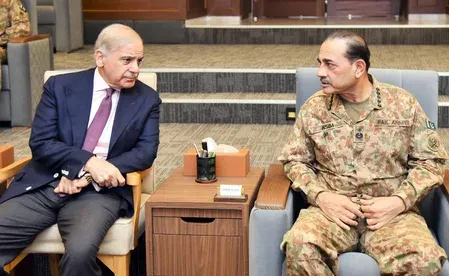
Pakistan's military spokesperson Lt. Gen. Ahmed Sharif Chaudhry clarified on Wednesday that the alliance was about 'collective deterrence' and had 'no regional aspirations'. Officials added that the pact was 'defensive in nature' and 'not designed for offensive operations' — framing that, analysts say, creates enough interpretive room to avoid activation.
Why Pakistan Is Holding Back
Pakistan shares a long border with Iran and cannot afford to antagonise Tehran. Direct military involvement against Iran's Houthi allies risks destabilising its western frontier, where Islamabad is already engaged in a severe armed conflict with Baloch fighters at the Pakistan-Iran-Afghanistan trijunction. The economic dimension is equally constraining: Pakistan's economy is deeply dependent on international financial aid — including Saudi support — and on remittances from the large Pakistani expatriate community across the Gulf states.
Notably, Pakistan is simultaneously positioning itself as a neutral mediator between Washington and Tehran. A military response would almost certainly foreclose that role, a point flagged by several observers. Since activation of the pact reportedly depends on 'the nature of aggression and collective decision-making,' Islamabad retains enough ambiguity to stay out without formally repudiating the treaty.
Symbolic Alliance or Real Security Guarantee?
Analysts argue the pact was always more about geopolitical signalling than genuine collective security architecture. For Riyadh, invoking Mecca's sanctity can rally global Islamic opinion, but without tangible allied military support, the pact's deterrence value remains limited. Saudi Arabia would reasonably expect the agreement to translate into physical military backing; Pakistan's hesitation suggests the gap between the treaty's text and its operational reality may be wider than either side publicly acknowledges.
As Houthi attacks on Saudi territory continue and the Iran conflict shows no sign of de-escalation, the pressure on the Makkah Pact — and on Pakistan's strategic tightrope — is only likely to intensify in the weeks ahead.
Point of View
This is a wake-up call that Islamabad's nuclear deterrence and troop deployments come with fine print that Tehran's pressure, Balochistan's instability, and Pakistan's economic fragility can render unenforceable at precisely the moment they are needed most.
NationPress
16 Sept 2026
Frequently Asked Questions
What is the Makkah Joint Defence Pact?
The Makkah Joint Defence Pact is a trilateral defence alliance signed by Pakistan and Saudi Arabia in September 2025, later joined by Turkey, which pledges that an armed attack on any one signatory will be treated as an attack on all — language modelled on NATO's Article 5. A Secretariat has been set up in Riyadh, with Pakistan slated to provide the first Secretary-General.
What happened during the Houthi drone attack near Mecca?
Reportedly Iran-backed Houthi rebels launched drones into Saudi territory, one of which was intercepted near Mecca. Saudi officials described the incident as an attack on Islam's holiest city, while the Houthis denied targeting religious sites, saying their operations were aimed at oil facilities and military bases.
Why did Pakistan not provide military support despite the pact?
Pakistan avoided military action primarily because it shares a long border with Iran and cannot risk antagonising Tehran, which backs the Houthis. Islamabad is also positioning itself as a mediator between Washington and Tehran, and its economy is heavily dependent on Gulf remittances and Saudi financial assistance, making open conflict especially costly.
What did Pakistan's Prime Minister and military say in response?
Prime Minister Shehbaz Sharif called the attempted strike 'dastardly and heinous' and reaffirmed solidarity with Saudi Arabia, but pledged no military help. Military spokesperson Lt. Gen. Ahmed Sharif Chaudhry said the pact was about 'collective deterrence' and had 'no regional aspirations', with officials stressing it was 'defensive in nature'.
How credible is the Makkah Pact as a collective defence guarantee?
Analysts argue the pact was always more about geopolitical signalling than operational security. Its activation reportedly depends on 'the nature of aggression and collective decision-making', leaving wide interpretive room. Pakistan's hesitation in this instance suggests the treaty may be more symbolic than a functional deterrent comparable to NATO.