Houthi strikes on Saudi Arabia expose cracks in Pakistan-Saudi-Turkey Mecca pact
Synopsis
The Houthi barrage on Saudi Arabia on 8 September has done what no analyst could do on paper — it forced the Mecca pact's Article 5-style clause into a live operational test. Pakistan's response: a conditional statement from the defence minister and a foreign ministry clarification that direct military action 'is not being discussed.' The gap between the alliance's bold language and its members' actual willingness to act is now impossible to ignore.
Key Takeaways
Iran-backed Houthi forces struck Saudi Arabia with a large drone and missile barrage on 8 September , targeting military and energy infrastructure.
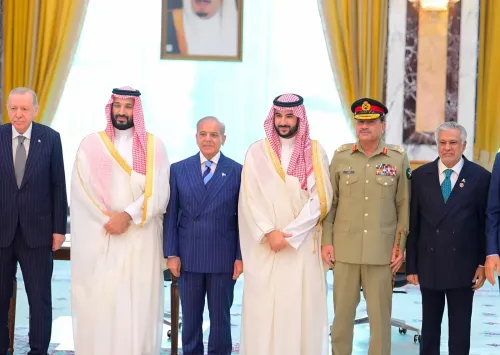
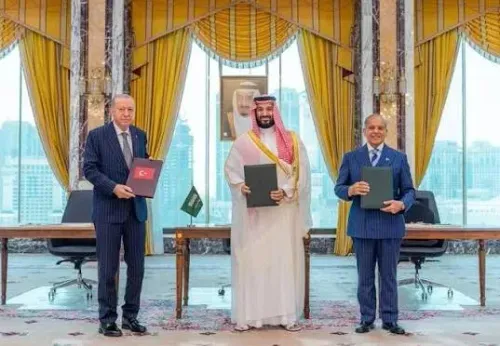
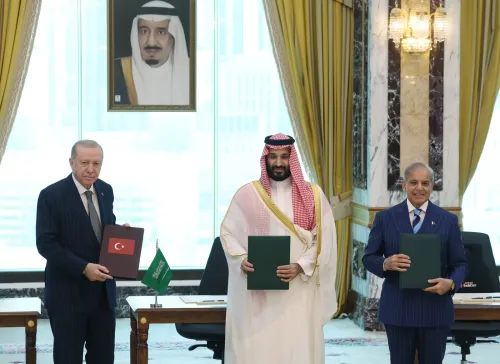
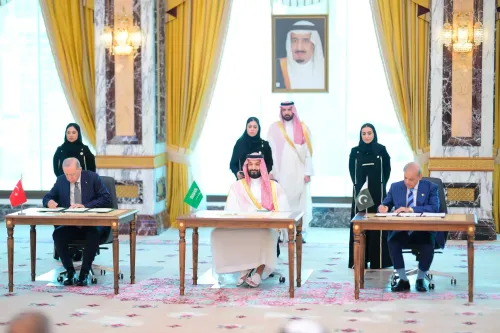
The attack was the first real test of the Mecca Joint Defence Agreement , signed on 7 August by Pakistan , Saudi Arabia , and Turkey .
Neither Pakistan nor Turkey launched military counter-operations; both limited their response to diplomatic statements.
Pakistani Defence Minister Khawaja Muhammad Asif said Pakistan will honour the pact 'in case there is a need,' while the Foreign Ministry confirmed direct military action is not under active discussion.
Analysts and a Pakistani official draw parallels to 2015 , when Pakistan's Parliament voted against joining the Saudi-led Yemen coalition, straining bilateral ties with Riyadh .
A Houthi naval blockade declared in July along the Bab el-Mandab Strait has added a new layer of regional pressure on the alliance.
The Houthi drone and missile barrage on Saudi Arabia on 8 September 2025 has placed the newly signed Mecca trilateral defence pact under its first serious operational test, exposing a widening gap between the alliance's NATO-like language and the on-ground willingness of its signatories — particularly Pakistan and Turkey — to respond with force, according to a report by Middle East Eye.
The Mecca Pact and Its NATO-Style Clause
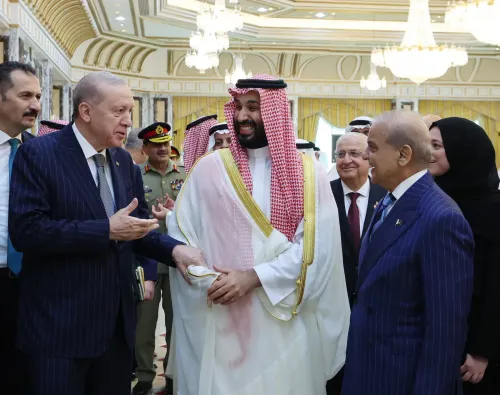
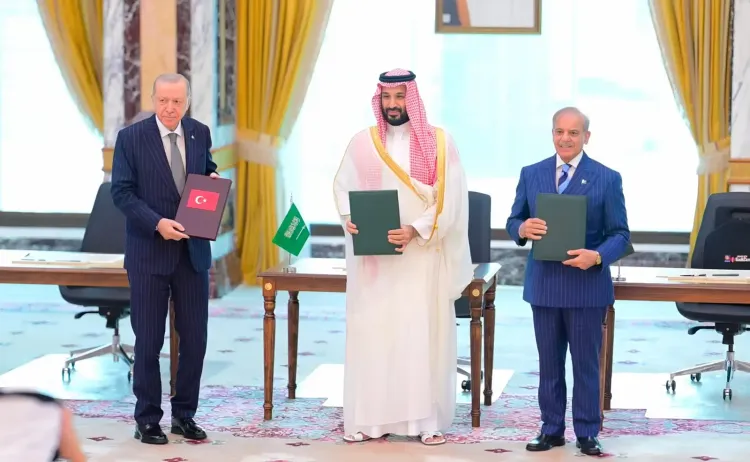
Signed in Mecca on 7 August, the Joint Defence Agreement between Pakistan, Saudi Arabia, and Turkey stipulates that an attack on one signatory will be treated as an attack on all — language that drew immediate comparisons to NATO's Article 5. Analysts, however, cautioned against reading the clause too literally even at the time of signing.
The caution proved warranted. When Iran-backed Houthi forces launched a large-scale drone and missile offensive on 8 September, striking critical Saudi military and energy infrastructure, neither Pakistan nor Turkey launched any military counter-operations. Instead, both offered diplomatic statements, stopping well short of the joint military response the pact's language might have implied.
Pakistan's Measured — and Ambiguous — Position
Pakistani Defence Minister Khawaja Muhammad Asif told reporters that Pakistan is 'bound by the terms and conditions of this pact, and we will honour them in case there is a need.' The formulation was notably conditional, leaving open the question of what threshold would actually trigger action.
That ambiguity was reinforced days later when Pakistan's Foreign Ministry spokesperson Sajjad Haider Khan said on 10 September that direct military action against the Houthis was 'not being discussed actively.' 'Pakistan has signed a joint defence agreement, which is a fact... But as of now, there is no discussion of this kind,' he said.
The Shadow of 2015: A Familiar Dilemma
According to a Pakistani official familiar with Gulf affairs cited by the Middle East Eye, Islamabad's current posture looks like a replay of its 2015 dilemma, when Pakistan's Parliament voted to remain neutral rather than join the Saudi-led military coalition in Yemen — a decision that severely strained ties with Riyadh.
Notably, Pakistan and Saudi Arabia do not share identical threat perceptions, and this asymmetry is reportedly a deeper structural problem for the alliance. Turkey's calculus is similarly distinct, given its own complex relationships across the region.
Escalation Risks and the Bab el-Mandab Factor
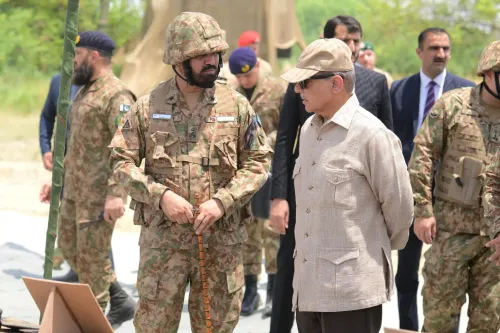
The stakes could rise sharply if Houthi strikes intensify. The Pakistani official warned that if missile attacks escalate further or result in mass casualties among Pakistani military personnel stationed at strategic sites inside Saudi Arabia, 'public and political pressure in Islamabad could force the government's hand.' That scenario, the report noted, could transform the current ambiguity into a direct — and unavoidable — test of the Mecca pact.
The broader regional context has also worsened. A new geopolitical flashpoint has emerged along the Bab el-Mandab Strait after the Houthis announced a naval blockade against Saudi Arabia in July, describing their strategy as 'blockade for blockade.'
What Comes Next
The coming weeks will be closely watched for any escalation in Houthi activity and for how Islamabad manages its dual obligation — honouring a defence pact while avoiding a costly military entanglement. The gap between the Mecca agreement's text and its enforcement may define the credibility of the entire trilateral framework going forward.
Point of View
And the Houthi strikes have confirmed that in real time. Pakistan's Parliament blocked Saudi coalition participation in 2015; a decade later, Islamabad is threading the same needle — affirming the text of an alliance while avoiding the cost of enforcing it. The deeper problem is structural: three signatories with divergent threat perceptions cannot maintain a credible mutual defence commitment. If Pakistani personnel stationed in Saudi Arabia come under fire, the ambiguity collapses and Islamabad faces a genuine constitutional and political crisis — one it has conspicuously not prepared its public for.
NationPress
15 Sept 2026
Frequently Asked Questions
What is the Mecca Joint Defence Agreement between Pakistan, Saudi Arabia, and Turkey?
The Mecca Joint Defence Agreement is a trilateral security pact signed on 7 August by Pakistan, Saudi Arabia, and Turkey, stating that an attack on one signatory will be treated as an attack on all — language comparable to NATO's Article 5. It was immediately tested when Houthi forces attacked Saudi Arabia on 8 September.
How did Pakistan respond to the Houthi attack on Saudi Arabia?
Pakistan did not launch any military counter-operations. Defence Minister Khawaja Muhammad Asif said Pakistan is 'bound by the terms and conditions of this pact, and we will honour them in case there is a need,' while the Foreign Ministry confirmed that direct military action against the Houthis is not under active discussion as of 10 September.
Why does the 2015 Yemen decision matter to Pakistan's current stance?
In 2015, Pakistan's Parliament voted to remain neutral rather than join the Saudi-led military coalition in Yemen, a move that severely strained ties with Riyadh. Analysts say Islamabad's current measured response to the Houthi attacks follows the same pattern, raising questions about whether the Mecca pact will face a similar outcome.
What is the Houthi naval blockade of the Bab el-Mandab Strait?
In July, Houthi forces announced a naval blockade against Saudi Arabia along the Bab el-Mandab Strait, describing the strategy as 'blockade for blockade.' The strait is a critical shipping chokepoint, and the blockade has added a new geopolitical pressure point on top of the ongoing missile and drone campaign.
What could force Pakistan into direct military action under the Mecca pact?
According to a Pakistani official familiar with Gulf affairs, a significant escalation — particularly if Houthi strikes cause mass casualties among Pakistani military personnel stationed at strategic sites in Saudi Arabia — could generate enough public and political pressure in Islamabad to compel direct military involvement, turning the current ambiguity into a definitive test of the pact.