India flags Red Sea concern, condemns Houthi strikes on Saudi Arabia
Synopsis
India has condemned Houthi ballistic missile and drone strikes on Saudi Arabia and flagged deep concern over Red Sea escalation — a crisis with direct stakes for New Delhi, as Indian nationals have been injured in the attacks and a significant share of India's energy imports transit the Bab-el-Mandeb Strait. EAM Jaishankar raised the Houthi issue with the Saudi FM on the sidelines of the BRICS Summit.
Key Takeaways
MEA spokesperson Randhir Jaiswal on 15 September 2026 condemned Houthi attacks on Saudi sovereign territory , calling them 'unacceptable.' EAM S.
Jaishankar discussed the Houthi threat with the Saudi Foreign Minister at the BRICS Summit .
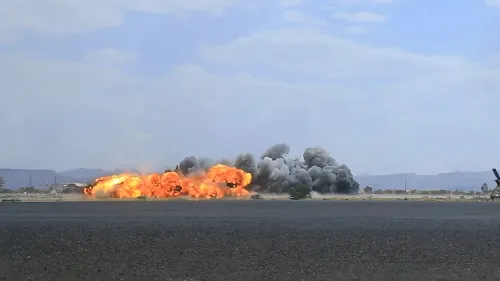
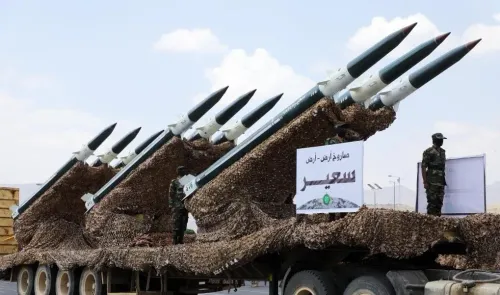
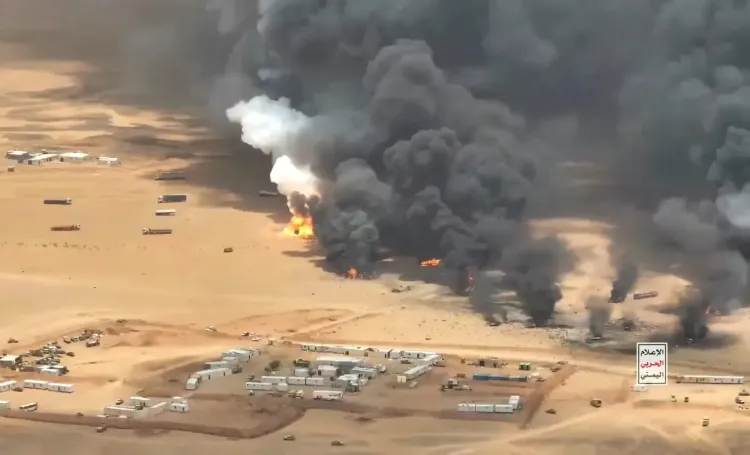
The Houthi group claimed it fired dozens of ballistic missiles and drones at King Khalid Air Base in Khamis Mushait , targeting hangars, radar, and ammunition depots.
Indian nationals injured in Houthi strikes were visited by Consul General Fahad Suri at Dr.
Soliman Fakeeh Hospital, Jeddah .
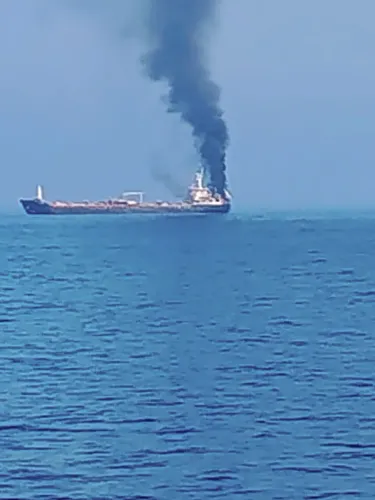
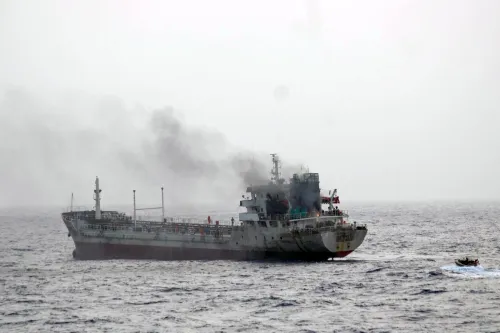
India stressed the threat to freedom of navigation through the Bab-el-Mandeb Strait , a key route for Indian energy imports.
India on Tuesday, 15 September 2026, expressed deep concern over the escalating conflict in the Red Sea region, as the Ministry of External Affairs (MEA) condemned fresh Houthi ballistic missile and drone strikes on Saudi Arabia and called for an early restoration of regional peace. The statement came amid a significant uptick in cross-border hostilities that New Delhi warned threatens both regional stability and global freedom of navigation.
What the MEA Said
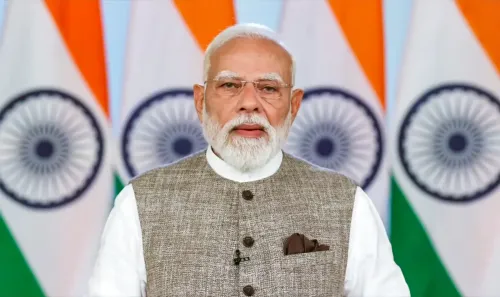
MEA spokesperson Randhir Jaiswal, speaking at a bi-weekly media briefing in New Delhi, confirmed that External Affairs Minister S. Jaishankar had held talks with the Saudi Foreign Minister on the sidelines of the BRICS Summit, during which the Houthi threat featured prominently.
'We have condemned attacks on Saudi sovereign territory, including those targeting civilian infrastructure and economic assets. Such attacks undermine regional stability and threaten freedom of navigation through the Bab-el-Mandeb Strait. These actions are obviously unacceptable to us,' Jaiswal said. He added that India continues to receive energy supplies from the region, underscoring New Delhi's direct economic stake in the crisis.
The Houthi Strike and Its Scale
Yemen's Houthi group announced on Monday that it had launched dozens of ballistic missiles and drones at King Khalid Air Base in Khamis Mushait, a southwestern Saudi city close to the Yemeni border. Houthi military spokesperson Yahya Saree, in a statement carried by Houthi-run al-Masirah TV, claimed the strikes targeted fighter-jet hangars, radar systems, runways, and ammunition depots, describing the operation as 'precise and direct' and asserting it caused significant damage.
The assault represents a notable escalation in the widening cross-border confrontation between the Houthis and Riyadh, which has drawn increasing international attention given the strait's centrality to global shipping lanes.
Indian Nationals Caught in the Crossfire
The human cost for the Indian diaspora in Saudi Arabia came into sharp focus on Monday, when Consul General of India in Jeddah, Fahad Suri, visited Indian nationals undergoing treatment at Dr. Soliman Fakeeh Hospital in Jeddah. The nationals were among dozens injured in recent Houthi strikes on several Saudi cities, including Jazan.
The Consulate General of India in Jeddah — whose jurisdiction covers Mecca, Madinah, Yanbu, Taif, Tabuk, Qunfudah, AlBaha, Abha, Jizan, and Najran — confirmed on X that Suri 'enquired about their health and well-being, interacted with the patients, and assured them of the Consulate's full support and assistance.' The consulate added that it remains in close contact with hospital authorities and the affected nationals' family members.
India's Consistent Position and Strategic Stakes
This is not the first time India has condemned Houthi attacks on Saudi Arabia. New Delhi has repeatedly called such strikes 'unacceptable', particularly when they target civilian infrastructure and economic assets. The Bab-el-Mandeb Strait — the narrow waterway at the southern tip of the Red Sea — is a critical chokepoint for Indian energy imports, with a significant share of the country's crude oil and LNG transiting the route. Any sustained disruption risks supply-chain shocks and upward pressure on fuel prices domestically.
Notably, the Jaishankar-Saudi FM meeting at the BRICS Summit signals that India is working diplomatic channels bilaterally even as it voices public concern — a calibrated approach consistent with New Delhi's broader West Asia policy of maintaining ties with all parties while taking clear positions on attacks that threaten its citizens and economic interests.
With no ceasefire in sight and Houthi rhetoric showing little sign of moderation, the trajectory of the Red Sea crisis will remain a key variable for Indian foreign policy and energy security in the weeks ahead.
Point of View
Meaning every Houthi escalation is partly an Indian energy-security event. What the MEA statement quietly signals is that New Delhi's patience has limits: the language of 'unacceptable' has now been used repeatedly, but without a harder diplomatic lever to pull. The Jaishankar-Saudi FM bilateral on the BRICS sidelines is the more consequential detail here — it suggests India is threading a needle, maintaining its non-interventionist posture in West Asia while quietly shoring up the relationship with Riyadh. The injury of Indian nationals, however, could tilt domestic political pressure toward a more assertive public stance if casualties mount.
NationPress
15 Sept 2026
Frequently Asked Questions
Why is India concerned about the Red Sea situation?
India is concerned because the Red Sea and the Bab-el-Mandeb Strait are critical transit routes for its energy imports, and any sustained disruption could affect crude oil and LNG supplies. Additionally, Indian nationals have been injured in recent Houthi strikes on Saudi cities.
What did EAM Jaishankar discuss at the BRICS Summit regarding the Houthis?
External Affairs Minister S. Jaishankar met the Saudi Foreign Minister on the sidelines of the BRICS Summit and discussed regional and international developments, including the Houthi attacks on Saudi Arabia. India reaffirmed its condemnation of the strikes during the meeting.
What was the latest Houthi attack on Saudi Arabia?
Yemen's Houthi group announced on Monday that it had launched dozens of ballistic missiles and drones at King Khalid Air Base in Khamis Mushait, southwestern Saudi Arabia. Military spokesperson Yahya Saree claimed the strikes targeted hangars, radar systems, runways, and ammunition depots, describing them as 'precise and direct.'
Were any Indian nationals affected by the Houthi strikes?
Yes, Indian nationals were among dozens of people injured in recent Houthi ballistic missile and drone attacks on Saudi cities. Consul General Fahad Suri visited the injured Indians at Dr. Soliman Fakeeh Hospital in Jeddah on Monday and assured them of the consulate's full support.
What is India's official position on the Houthi attacks?
India has consistently condemned Houthi attacks on Saudi sovereign territory, particularly strikes targeting civilian infrastructure and economic assets, describing them as 'unacceptable.' New Delhi has also called for an early restoration of peace and stability in the Red Sea region.