DR Congo Ebola death toll nears 5,000; Africa CDC mourns fallen doctor
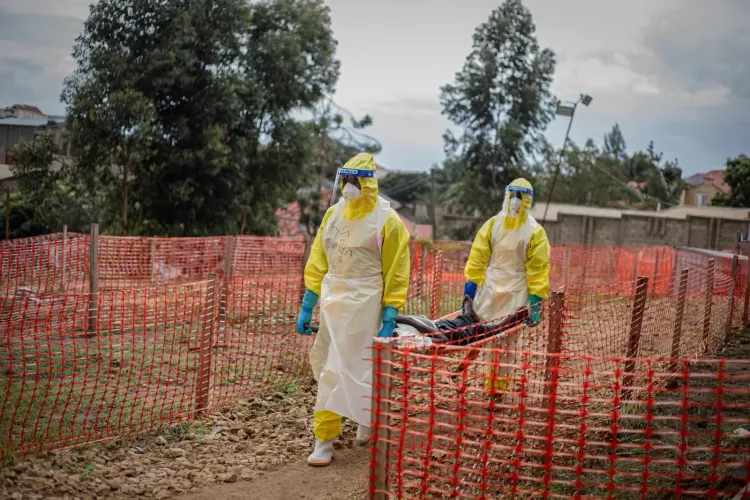
Synopsis
With nearly 5,000 dead and three doctors lost in a single Beni treatment centre in under 72 hours, the DRC's Ebola crisis has become the world's second-largest recorded outbreak. Contact tracing is running 13 percentage points below the containment threshold, and treatment facilities are nearly full — a combination that makes the next milestone grimly foreseeable.
Key Takeaways
The DRC has recorded 10,274 confirmed Ebola cases and 4,992 deaths as of 28 October 2026 , a case fatality rate of 48.6% .
The outbreak spans 67 health zones across 8 of 26 provinces , declared on 15 May and caused by the Bundibugyo Ebola virus .
Three doctors died of Ebola within 72 hours at a treatment centre in Beni, North Kivu ; Africa CDC paid tribute to Dr.
Marie-France Shogogo on platform X .
North Kivu Province accounts for 2,391 cases and 1,341 deaths ; the Beni health zone has a fatality rate of 67.0% .
Ebola treatment facilities in North Kivu are at 86.3% capacity ; only 82.2% of contacts are being traced, against a 95% target.
This is now the world's second-largest recorded Ebola outbreak , surpassing the 2018–2020 Kivu outbreak .
The Democratic Republic of the Congo (DRC) is closing in on 5,000 Ebola deaths as the world's second-largest recorded Ebola outbreak shows no signs of relenting, with the country's National Institute of Public Health (INSP) reporting 4,992 deaths from 10,274 confirmed cases as of 28 October 2026. The case fatality rate stands at a grim 48.6 per cent, according to the INSP's latest situation report released on Friday, 30 October.
The outbreak, declared on 15 May and caused by the Bundibugyo Ebola virus, has spread across 67 health zones in eight of the DRC's 26 provinces, placing enormous strain on an already fragile health system battling conflict in the country's east.
Africa CDC Mourns Dr. Marie-France Shogogo
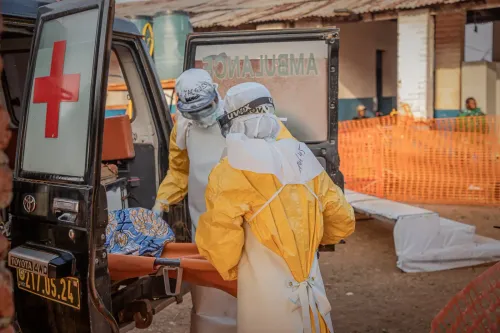
The Africa Centers for Disease Control and Prevention (Africa CDC) paid tribute on social media platform X to Dr. Marie-France Shogogo, who died of Ebola in Beni, North Kivu Province. The continental health agency's post called for stronger protection of frontline health workers, stating: 'Protect those who protect us.'
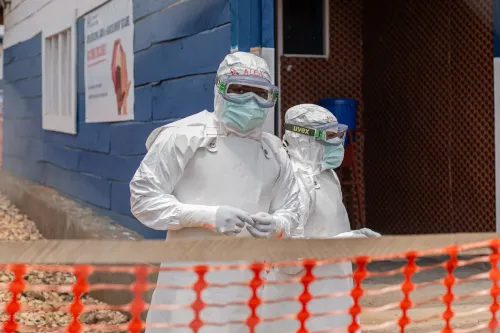
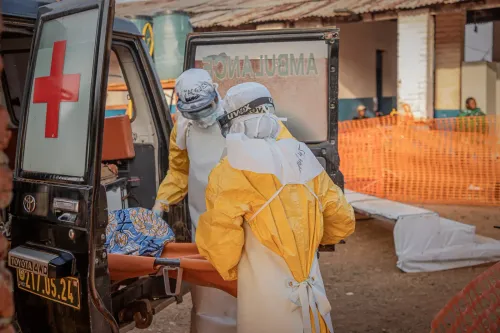
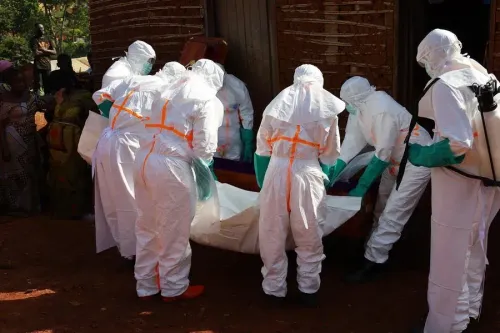
The loss of Dr. Shogogo is not an isolated tragedy. According to local health sources, three doctors died of Ebola within less than 72 hours at an Ebola treatment centre in Beni, laying bare the acute danger facing medical personnel on the front lines of the response.
Beni and North Kivu Remain the Hardest-Hit Zones
The Beni health zone alone has recorded 661 cases, including 443 deaths, with a case fatality rate of 67.0 per cent — well above the national average. Across North Kivu Province as a whole, the INSP report documents 2,391 confirmed cases and 1,341 deaths.
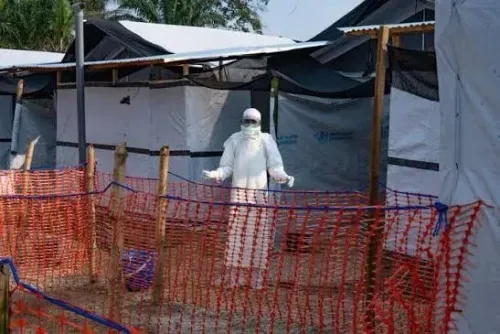
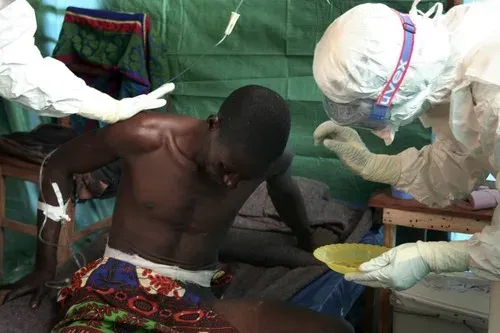
The province's healthcare infrastructure is under severe strain: Ebola treatment facilities are operating at 86.3 per cent capacity, and only 82.2 per cent of identified contacts are being monitored — significantly below the 95 per cent target set by public health protocols. The contact-tracing gap is especially concerning, as incomplete surveillance is a key driver of sustained transmission in active outbreak zones.
Why This Outbreak Is Different
This is the first major Ebola event caused by the Bundibugyo strain to reach this scale, and its setting in conflict-affected eastern DRC compounds every aspect of the response. Armed group activity restricts access for health teams, displaces populations into new transmission corridors, and prevents consistent contact tracing. Notably, the outbreak's trajectory mirrors the 2018–2020 Kivu Ebola outbreak — which killed over 2,200 people — but has already surpassed it in both case count and deaths, making it the second-largest Ebola outbreak in recorded history, behind only the 2014–2016 West Africa epidemic.
What Comes Next
Global health authorities are watching the contact-tracing gap closely. The Africa CDC has signalled a push for greater investment in health worker safety, while international partners are reportedly assessing additional surge support for North Kivu. Until treatment facility overcrowding is addressed and contact monitoring reaches the 95 per cent threshold, containment will remain difficult. The death toll, already approaching 5,000, could cross that mark within days at the current rate of fatalities.
Point of View
It is 13 points below the threshold needed for containment, and in a conflict zone where access is routinely disrupted, closing that gap is far harder than it sounds. The deaths of three doctors in under 72 hours at a single treatment centre signals a health worker safety failure that, if unaddressed, will accelerate attrition of the very personnel the response depends on. Mainstream coverage fixates on the cumulative death count; the more urgent story is the operational breakdown — underfull contact tracing, overcrowded treatment units — that is driving it. Without a serious international surge in both security access and health worker protection, the DRC Ebola toll will not plateau at 5,000.
NationPress
30 Oct 2026
Frequently Asked Questions
How many people have died in the DRC Ebola outbreak so far?
As of 28 October 2026, the DRC has recorded 4,992 Ebola deaths from 10,274 confirmed cases, a case fatality rate of 48.6 per cent, according to the National Institute of Public Health (INSP). The toll is expected to cross 5,000 within days at the current rate.
What is the Bundibugyo Ebola virus?
The Bundibugyo strain is one of six known species of Ebola virus, first identified in Uganda in 2007. It typically carries a lower average fatality rate than the Zaire strain, but the DRC's 2026 outbreak has recorded a 48.6 per cent case fatality rate overall and as high as 67 per cent in the Beni zone, reflecting the compounding effects of conflict-restricted access and strained healthcare infrastructure.
Why is the outbreak so severe in Beni and North Kivu?
Beni and the broader North Kivu Province are in eastern DRC, a region affected by ongoing armed conflict that restricts health worker access and disrupts contact tracing. The Beni health zone alone has a 67.0 per cent fatality rate, and treatment facilities across North Kivu are operating at 86.3 per cent capacity with contact monitoring well below the 95 per cent public health target.
Who is Dr. Marie-France Shogogo?
Dr. Marie-France Shogogo was a medical doctor who died of Ebola in Beni, North Kivu Province. Africa CDC paid tribute to her on platform X, calling for stronger protection of frontline health workers. She was among three doctors who reportedly died at a Beni Ebola treatment centre within less than 72 hours.
How does this outbreak compare to previous Ebola outbreaks?
The 2026 DRC outbreak is now the world's second-largest recorded Ebola outbreak in history, surpassing the 2018–2020 Kivu outbreak, which killed over 2,200 people. Only the 2014–2016 West Africa epidemic, which caused over 11,000 deaths, remains larger.