India backs Saudi Arabia after Houthi strikes kill Indian in Riyadh
Synopsis
An Indian IT engineer from Hyderabad was killed in a Houthi strike on Riyadh airport — and India's response at the UN Security Council goes beyond condolences. New Delhi is now squarely on record condemning the attacks on civilian infrastructure and flagging the growing threat to Indian seafarers and Gulf energy routes, signalling that the Yemen conflict has direct consequences for Indian lives and global shipping.
Key Takeaways
India's Permanent Representative P.
Harish expressed full solidarity with Saudi Arabia at the UN Security Council on 16 October 2026 .
Mohammad Yousef Ali , an IT engineer from Hyderabad , was killed in a Houthi strike on Riyadh airport while on a pilgrimage.
India condemned repeated Houthi attacks on civilian infrastructure, including Saudi airports , without naming the group directly.
India called for protection of the Bab al-Mandab Strait and the Southern Red Sea as a shared global responsibility.
India also condemned attacks on maritime navigation, noting that many targeted seafarers are Indian citizens .
New Delhi reaffirmed support for Yemen's unity, sovereignty, and territorial integrity, rejecting outside interference.
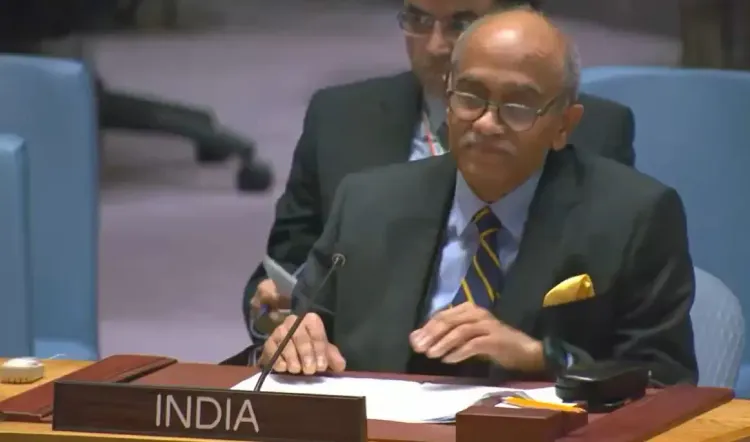
India has expressed full solidarity with Saudi Arabia amid a surge of Houthi attacks on the kingdom that have killed at least one Indian national, with India's Permanent Representative to the United Nations, P. Harish, delivering a sharp statement at the UN Security Council on Thursday, 16 October 2026. The remarks came during the Council's quarterly open debate on the situation in the Middle East.
India's Statement at the UN Security Council
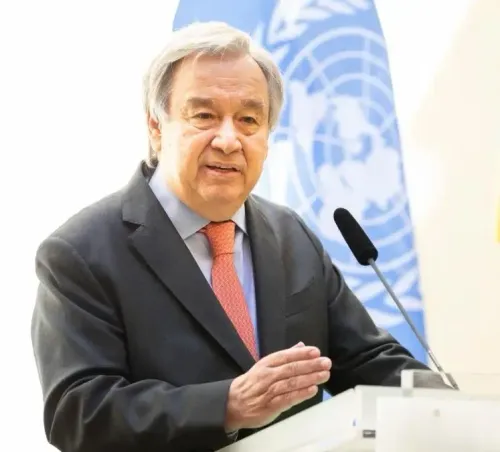
"India stands in complete solidarity with the government and people of Saudi Arabia in defence of their sovereignty," Harish said. He described the escalating hostilities as "deeply worrying" and called for "restraint and de-escalation in what has developed into a principal challenge facing the international community today."
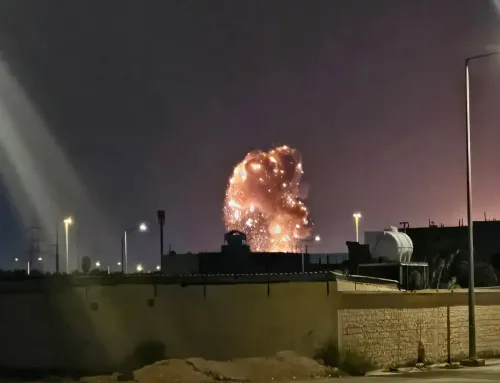
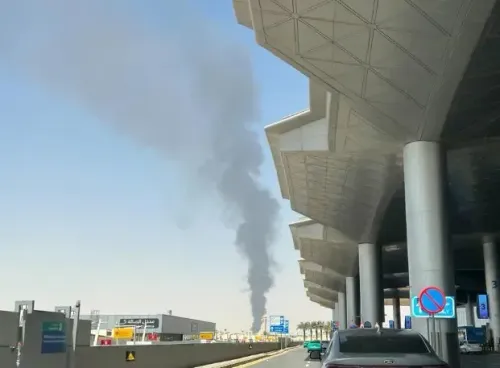
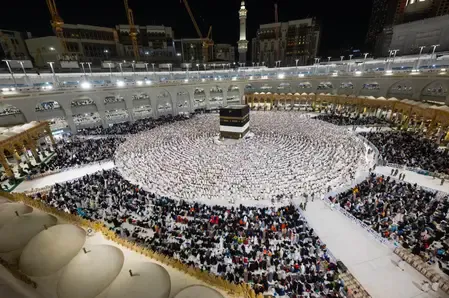
Without naming the Houthis directly, Harish said India "strongly condemns repeated attacks on civilian infrastructure, including Saudi airports in the past few days." He confirmed that the violence had claimed the life of an Indian citizen — Mohammad Yousef Ali, an IT engineer from Hyderabad, who was killed on Saturday while on a pilgrimage to Islam's holy site in an attack on Riyadh airport.
Who Are the Houthis and Why Are They Attacking Saudi Arabia
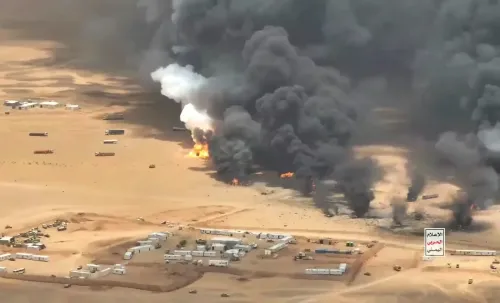
The Houthis are a powerful Yemeni rebel group aligned with Iran. They have been fighting the internationally recognised government of Yemen, which is backed by Saudi Arabia. The conflict, long contained within Yemeni borders, has increasingly spilled into Saudi territory, with attacks on civilian and strategic infrastructure intensifying in recent days.
This is not an isolated escalation — the Houthis have also opened a new front on the Red Sea, targeting shipping lanes in one of the world's most critical maritime corridors. The Strait of Hormuz is already under strain from attacks on vessels, and the group's expansion toward the Bab al-Mandab Strait and the Southern Red Sea threatens global energy transit at a particularly fragile moment for supply chains.
India's Strategic Maritime Concerns
Harish stressed that "the protection of the Bab al-Mandab Strait and the Southern Red Sea is a shared international responsibility and is a global interest." He also strongly condemned attacks on maritime navigation, noting that "many of whom are Indian citizens" among the seafarers targeted.
India has among the world's largest diaspora communities in the Gulf, with hundreds of thousands of nationals employed across Saudi Arabia, Yemen, and neighbouring states. Any broadening of the conflict directly threatens both their safety and India's energy import lifelines.
India's Position on Yemen's Sovereignty
On the broader Yemeni conflict, India reiterated its "unwavering commitment to the unity, sovereignty, and territorial integrity of the Republic of Yemen and rejection of any interference in its internal affairs," Harish said. The statement signals New Delhi's continued support for a negotiated political resolution, even as military hostilities escalate. India has historically maintained a non-interventionist stance on West Asian conflicts while protecting its diaspora and economic interests.
With Houthi strikes showing no sign of abating and global shipping routes under mounting pressure, New Delhi's posture at the Security Council is likely to intensify in the weeks ahead.
Point of View
Which backs the Houthis. The death of Mohammad Yousef Ali is a rare moment where the conflict becomes impossible for New Delhi to treat as peripheral. With Indian seafarers under threat in the Red Sea and the Strait of Hormuz already volatile, India's strategic exposure in the region is broader than it publicly acknowledges. The question is whether a UN condemnation is enough, or whether New Delhi needs a more active posture to safeguard both citizens and supply chains.
NationPress
16 Oct 2026
Frequently Asked Questions
Why did India express solidarity with Saudi Arabia at the UN?
India expressed solidarity with Saudi Arabia at the UN Security Council on 16 October 2026 following a surge in Houthi attacks on Saudi civilian infrastructure, including airports. The statement was prompted in part by the killing of an Indian national, Mohammad Yousef Ali, in a strike on Riyadh airport.
Who was Mohammad Yousef Ali and how was he killed?
Mohammad Yousef Ali was an IT engineer from Hyderabad who was killed on Saturday during a Houthi attack on Riyadh airport while he was on a pilgrimage to Islam's holy site. His death was cited by India's UN representative as a direct consequence of the escalating Houthi strikes.
Who are the Houthis and why are they attacking Saudi Arabia?
The Houthis are a powerful Yemeni rebel group aligned with Iran that has been fighting the internationally recognised government of Yemen. Since Saudi Arabia backs the Yemeni government, the Houthis have extended their attacks into Saudi territory, targeting civilian infrastructure including airports.
What is India's concern about the Bab al-Mandab Strait?
India considers the protection of the Bab al-Mandab Strait and the Southern Red Sea a shared international responsibility, as it is a critical global shipping corridor. Houthi attacks on vessels in the area directly threaten energy supplies and the safety of Indian seafarers who work on commercial ships transiting the route.
What is India's official position on the Yemen conflict?
India has reaffirmed its commitment to Yemen's unity, sovereignty, and territorial integrity, and rejected any outside interference in its internal affairs. New Delhi has called for restraint and de-escalation while condemning attacks on civilian infrastructure, maintaining its traditional non-interventionist posture in West Asian conflicts.