UN chief condemns Houthi strike on Riyadh airport; 12 killed, 309 hurt
Synopsis
A Houthi missile strike on Riyadh's King Khalid International Airport killed 12 people — including a US national and citizens of seven other countries — and wounded 309, prompting UN Secretary-General Guterres to call it a clear violation of international law and the Saudi-led coalition to label it a war crime. The attack on a busy civilian terminal represents one of the conflict's most lethal single strikes on Saudi soil.
Key Takeaways
UN Secretary-General Antonio Guterres condemned the Houthi strike on King Khalid International Airport , Riyadh, on 11 October .
The attack killed 12 people — 4 Saudi citizens and 8 foreign nationals from Bangladesh, the US, Egypt, Jordan, Syria, Palestine, and Sudan.
309 people were injured; several are in serious condition across multiple Riyadh hospitals.
Airport operations were temporarily suspended pending damage assessments and safety checks.
Saudi coalition spokesperson Turki Al-Malki called the attack a war crime under international humanitarian law and vowed a firm response.
The Houthi group said it was willing to keep airports and seaports with humanitarian functions out of the conflict, but offered no ceasefire commitment.
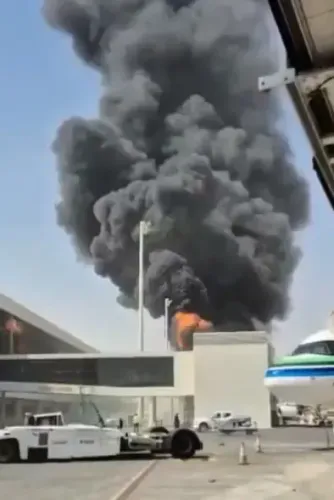
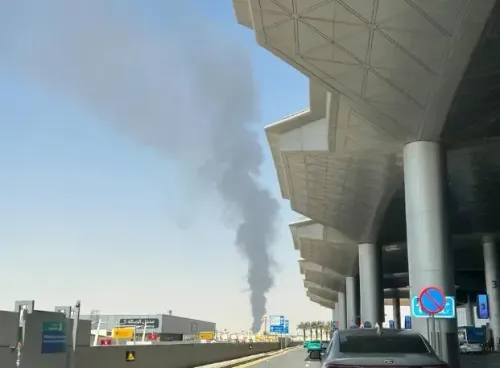
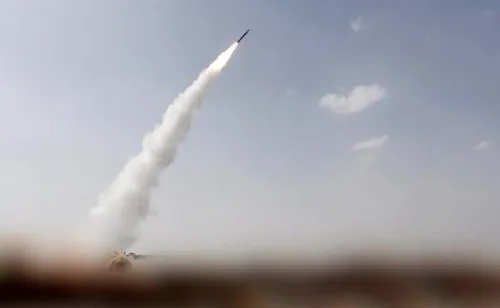
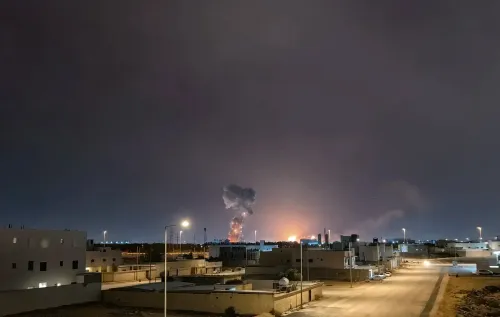
United Nations Secretary-General Antonio Guterres on Sunday, 11 October strongly condemned the Houthi group's missile attack on King Khalid International Airport in Riyadh, Saudi Arabia, which reportedly killed 12 people and injured 309 others the previous day. The strike on a civilian passenger terminal marks one of the deadliest single attacks on Saudi infrastructure in the ongoing Yemen conflict.
What Guterres Said
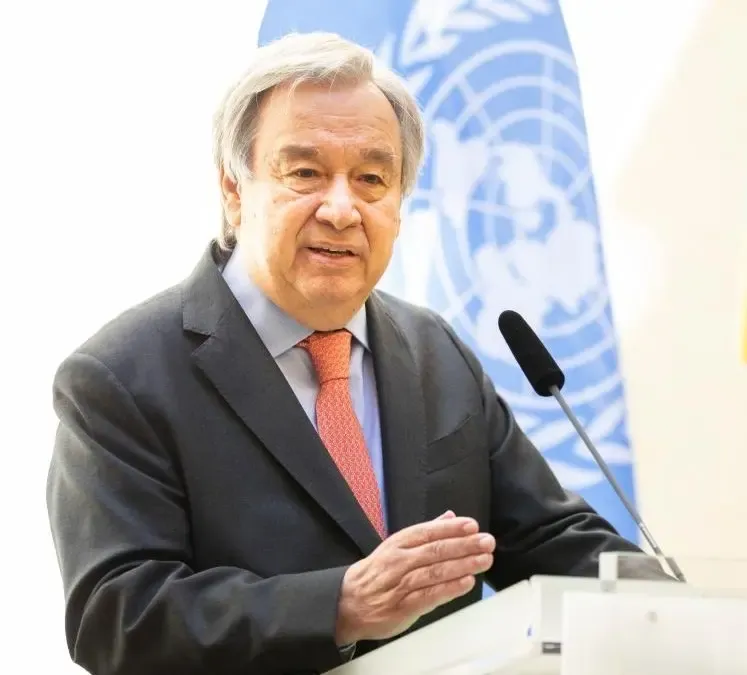
'I am deeply shocked by and strongly condemn Saturday's lethal attack by the Houthis on King Khalid International Airport in Riyadh, the Kingdom of Saudi Arabia, which reportedly killed 12 people and injured hundreds of civilians,' Guterres said in a statement. He added that attacks on civilians and civilian infrastructure violate international law and that 'these attacks must cease immediately.'
Casualty Details and Airport Status
The Saudi General Authority of Civil Aviation confirmed on Sunday that the 12 fatalities comprised four Saudi citizens and eight foreign nationals — including two Bangladeshis and one each from the United States, Egypt, Jordan, Syria, Palestine, and Sudan. Among the 309 injured, several are reportedly in serious condition and receiving treatment at multiple hospitals across the capital. Airport operations were temporarily suspended pending damage assessments and safety checks, the authority said.
Saudi Coalition Response
The Saudi-led coalition in Yemen vowed a firm response on Sunday. Coalition spokesperson Turki Al-Malki said in a statement on his official account on X that the attack constitutes a war crime under international humanitarian law and its customary rules, describing it as a 'heinous act' that violates humanitarian principles, values, and morals.
Houthi Position After the Strike
In a statement issued after the attack, the Houthi group said it was ready for reciprocal measures with Saudi Arabia to keep airports, seaports, and other facilities with humanitarian functions outside the escalating military confrontation. Critics argue the offer rings hollow given that the group's own strike targeted a civilian passenger terminal. This comes amid a pattern of cross-border strikes on major airport infrastructure — both Yemeni and Saudi — that has intensified in recent months.
Broader Context
The attack reflects a dangerous escalation in a conflict that has drawn in regional powers and left Yemen on the brink of humanitarian collapse. Notably, strikes on civilian airports are explicitly prohibited under the Geneva Conventions when those facilities are in active civilian use. The UN Security Council has previously called for restraint, but ceasefires in the Yemen conflict have repeatedly broken down. The international community will be watching closely to see whether Guterres's condemnation — and the coalition's vow to respond — further inflames tensions or opens a window for de-escalation talks.
Point of View
Something Gulf-allied and Iran-aligned blocs have historically blocked. The multinational casualty list — US, Bangladeshi, Egyptian, Jordanian, Syrian, Palestinian, Sudanese nationals killed alongside Saudis — internationalises the incident in ways that could shift diplomatic calculations. Saudi Arabia's vow to respond 'firmly' risks a fresh cycle of retaliatory strikes that mainstream coverage is framing as a military chess match, but whose heaviest toll falls on ordinary civilians on both sides of the border.
NationPress
11 Oct 2026
Frequently Asked Questions
What happened at King Khalid International Airport in Riyadh?
Yemen's Houthi group launched a missile strike on King Khalid International Airport in the Saudi capital Riyadh on Saturday, 10 October, hitting a civilian passenger terminal. The attack killed 12 people and injured 309 others, according to the Saudi General Authority of Civil Aviation.
Who were the victims of the Riyadh airport attack?
The 12 fatalities included four Saudi citizens and eight foreign nationals — two Bangladeshis and one each from the United States, Egypt, Jordan, Syria, Palestine, and Sudan. Hundreds more were injured and are receiving treatment at hospitals in Riyadh, with some in serious condition.
What did UN Secretary-General Guterres say about the attack?
Guterres said he was 'deeply shocked' and 'strongly condemned' the Houthi strike, calling it a lethal attack on civilians and civilian infrastructure that violates international law. He demanded that such attacks 'cease immediately.'
How did Saudi Arabia and its coalition respond?
The Saudi-led coalition vowed on Sunday to respond firmly to the attack. Coalition spokesperson Turki Al-Malki described it as a war crime under international humanitarian law, calling it a heinous act violating humanitarian principles, values, and morals.
What position did the Houthi group take after the airport strike?
After the attack, the Houthi group said it was ready for reciprocal measures with Saudi Arabia to keep airports, seaports, and other facilities with humanitarian functions outside the military confrontation. The offer stopped short of a full ceasefire commitment.