Kuwait backs Saudi Arabia, condemns Houthi maritime threats in Red Sea
Synopsis
Kuwait has thrown its full diplomatic weight behind Saudi Arabia after the Houthis declared a maritime ban on Saudi-linked shipping and threatened strikes on Riyadh's 'valuable targets.' With the Bab al-Mandab Strait in the crosshairs and Sanaa airport already struck, the Gulf's most cautious voice is now openly backing military-level solidarity — a signal of how seriously the region is treating this escalation.
Key Takeaways
Kuwait's Ministry of Foreign Affairs condemned the Houthi group's 'false allegations' against Saudi Arabia on 21 July .
Kuwait called for enforcement of UN Security Council Resolution 2216 (Yemen) and Resolution 2722 (Red Sea navigation).
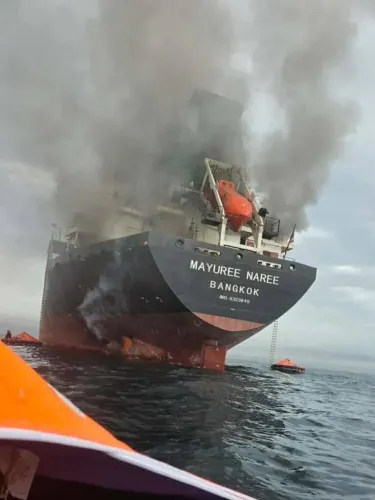
The Houthi group declared a maritime ban on Saudi-linked shipping after accusing Riyadh of bombing Sanaa International Airport .
Abdullah Al-Naami of the Houthi Supreme Political Council warned Saudi Arabia and the United States of a 'comprehensive response' if flights to Sanaa are blocked.
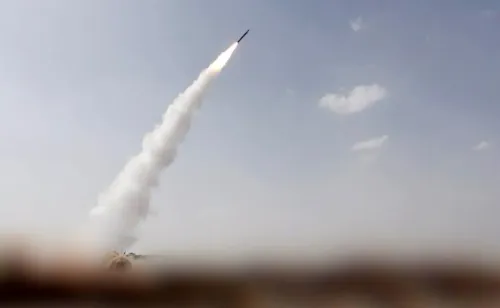
Yemen's internationally recognised government struck the Sanaa airport runway to divert an Iranian aircraft; the Houthis subsequently claimed drone and missile attacks on Abha International Airport .
Kuwait on Tuesday, 21 July formally condemned the Houthi group's threats against Saudi shipping lanes and declared full solidarity with Riyadh, as tensions over the Red Sea and Sanaa International Airport escalated sharply across the region.
Kuwait's Official Position
Kuwait's Ministry of Foreign Affairs issued a statement rejecting what it described as the Houthi group's 'false allegations' against Saudi Arabia and denouncing threats to the 'freedom and security of maritime navigation.' The ministry called on the international community to enforce relevant UN Security Council resolutions — specifically Resolution 2216 on Yemen and Resolution 2722 on protecting navigation in the Red Sea. Kuwait reaffirmed its 'full solidarity' with Saudi Arabia, expressing support for all measures the kingdom takes to safeguard its security and sovereignty.
What Triggered the Escalation
The Kuwaiti statement came a day after the Houthi group announced a maritime ban on Saudi-linked shipping, accusing Riyadh of bombing the Houthi-controlled Sanaa International Airport the previous week. In response, the Saudi-led coalition vowed 'necessary and decisive' measures to protect commercial vessels transiting the Bab al-Mandab Strait.
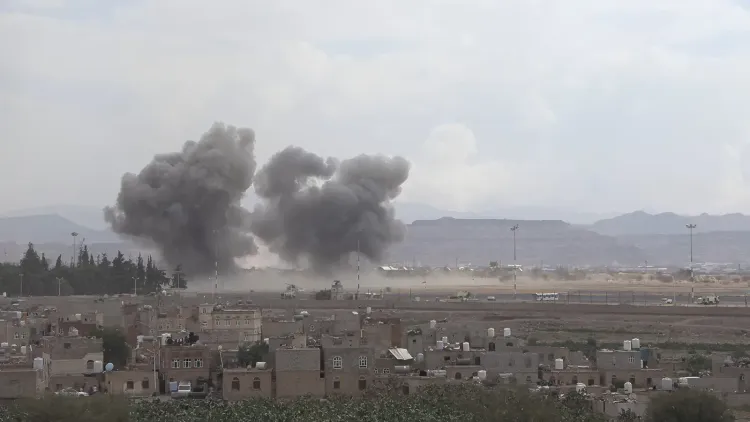
Notably, the airport strike was reportedly carried out by Yemen's internationally recognised government, which targeted the runway to prevent an Iranian aircraft carrying a senior Houthi delegation from landing — forcing it to divert to Hodeidah. The Houthis subsequently claimed missile and drone attacks on Saudi Arabia's Abha International Airport.
Houthi Warnings and Counter-Threats
A senior Houthi official warned on Sunday that Saudi Arabia's 'valuable targets' are within range of the group's forces, and that the Houthis are prepared to 'pay the highest price' to end what they describe as a blockade on Yemen. Abdullah Al-Naami, a member of the Houthi Supreme Political Council, told Lebanon-based broadcaster Al Mayadeen that Sanaa International Airport would receive flights 'from all countries,' warning that any Saudi attempt to block flights would trigger 'a comprehensive response.' Al-Naami also cautioned that if the United States joined Saudi Arabia in military action against Yemen, Washington would 'find itself in a predicament.'
Regional and Strategic Stakes
The Bab al-Mandab Strait — through which an estimated 10–15% of global seaborne trade passes — has been a flashpoint since the Houthis began targeting commercial shipping in late 2023, citing solidarity with Gaza. Kuwait's intervention underscores the Gulf Cooperation Council's collective interest in keeping these lanes open. This is not the first time Gulf states have rallied behind Riyadh against Houthi maritime actions; the pattern reflects a deepening alignment among Arab states wary of Iranian-backed disruption to regional trade arteries.
What Comes Next
With both sides issuing escalatory statements and no ceasefire framework currently active, the risk of further strikes on airport infrastructure and commercial shipping remains elevated. The international community's ability to enforce UN Security Council Resolution 2722 will be closely watched as a gauge of multilateral resolve in the coming days.
Point of View
It signals that Gulf consensus on the Houthi maritime threat has hardened well beyond rhetoric. What mainstream coverage underplays is the airport dimension: the runway strike was carried out by Yemen's recognised government, not Saudi Arabia directly — yet the Houthis are using it to justify a sweeping maritime ban. That conflation is doing significant escalatory work, and no major power has publicly called it out. The enforcement gap on Resolution 2722 also deserves scrutiny: the resolution exists, but the mechanism to compel compliance does not.
NationPress
20 Oct 2026
Frequently Asked Questions
Why did Kuwait condemn the Houthi group on 21 July 2025?
Kuwait condemned the Houthi group after it announced a maritime ban on Saudi-linked shipping and issued threats against freedom of navigation in the Red Sea. Kuwait's Ministry of Foreign Affairs rejected what it called Houthi 'false allegations' against Saudi Arabia and reaffirmed full solidarity with Riyadh.
What is the Houthi maritime ban on Saudi shipping?
The Houthi group declared a ban on Saudi-linked vessels transiting waters under its influence, accusing Saudi Arabia of bombing Sanaa International Airport. The Saudi-led coalition has vowed 'necessary and decisive' measures to protect commercial shipping through the Bab al-Mandab Strait in response.
What happened at Sanaa International Airport?
Yemen's internationally recognised government struck the runway at Sanaa International Airport to prevent an Iranian aircraft carrying a senior Houthi delegation from landing, forcing it to divert to Hodeidah. The Houthis subsequently claimed missile and drone attacks on Saudi Arabia's Abha International Airport in retaliation.
Which UN resolutions did Kuwait invoke?
Kuwait called on the international community to enforce UN Security Council Resolution 2216, which addresses the Yemen conflict, and Resolution 2722, which focuses on protecting freedom of navigation in the Red Sea. Both resolutions remain contested in terms of enforcement.
What did senior Houthi official Abdullah Al-Naami warn?
Abdullah Al-Naami, a member of the Houthi Supreme Political Council, warned that Sanaa International Airport would receive flights from all countries and that any Saudi attempt to block flights would trigger a 'comprehensive response.' He also cautioned that US military involvement alongside Saudi Arabia would put Washington 'in a predicament.'