Houthis threaten ships at Saudi ports amid Red Sea blockade
Synopsis
Yemen's Houthis have extended their maritime campaign to Saudi Arabia itself, warning that any ship — regardless of flag — trading at Saudi ports could be targeted. Coming days after a strike on Sana'a airport disrupted a Houthi delegation returning from Khamenei's funeral, the blockade declaration marks a sharp new front in the conflict, with Gulf neighbours Kuwait and Qatar already pushing back.
Key Takeaways
The Houthis declared a maritime blockade on Saudi Arabia and warned all ships trading at Saudi ports of potential military action on 21 July .
The threat covers vessels of any nationality loading or unloading at Saudi ports , not just Saudi-flagged ships.
The escalation followed a 13 July strike on Sana'a International Airport by the Saudi-backed Yemeni government, targeting an Iranian plane carrying a Houthi delegation.
Kuwait and Qatar rejected the Houthi blockade, affirming support for freedom of navigation under international law.
No attacks on commercial vessels have been reported under the new measures so far.
The development raises fresh fears for stability in the Red Sea and the Strait of Hormuz , two of the world's most critical shipping corridors.
Yemen's Houthi movement has warned international shipping companies that vessels trading with Saudi Arabian ports could face military action, in a significant escalation following the group's declaration of a maritime blockade on Saudi Arabia on 21 July. The warning, distributed via an email notice by the Sana'a-based Humanitarian Operations Coordination Centre, extends the threat beyond Saudi-flagged ships to any vessel loading or unloading cargo at Saudi ports.
What the Warning Says
The notice urges maritime operators to exercise 'due diligence' when planning voyages involving Saudi ports, explicitly stating that vessels engaged in commercial activities there could become 'targets' within the Houthis' operational range. Crucially, the threat is not limited to vessels flying the Saudi flag — it encompasses all international shipping companies whose ships call at Saudi ports, regardless of nationality.
So far, no attack on a commercial vessel has been reported under the newly announced measures, according to available reports.
What Triggered the Escalation
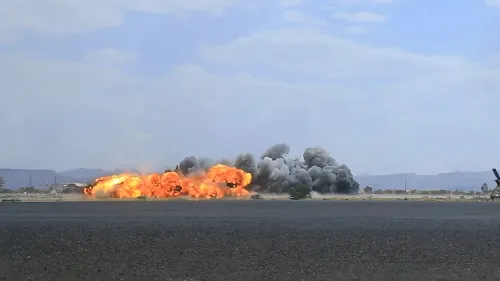
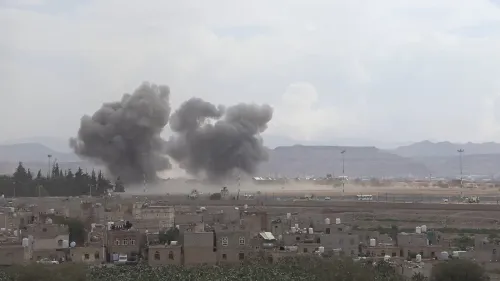
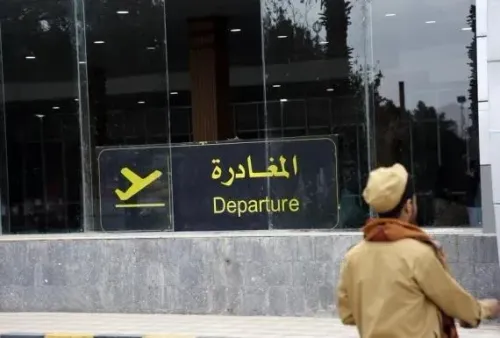
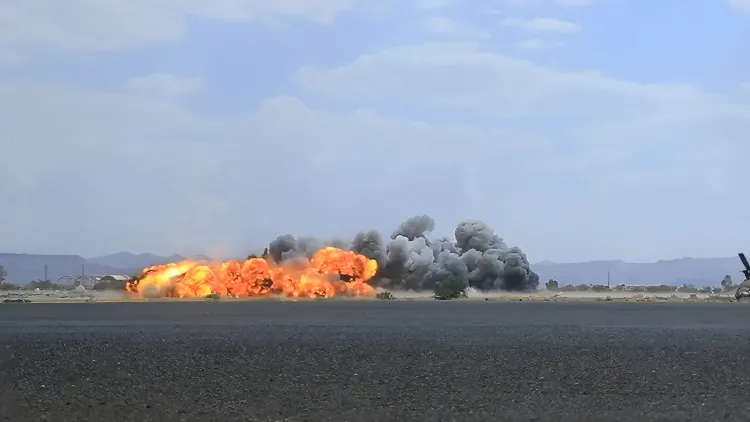
The maritime blockade announcement came within hours of a sharp escalation over Sana'a International Airport. On 13 July, the Saudi-backed Yemeni government struck the airport runway to prevent an Iranian aircraft carrying a senior Houthi delegation from landing. The delegation was reportedly returning from funeral ceremonies for Iranian Supreme Leader Ali Khamenei. The Houthis attributed the strike to Riyadh and responded by launching missiles and drones toward the Kingdom.
Regional Reaction
Kuwait and Qatar have both rejected the Houthi blockade declaration, reiterating their support for freedom of navigation under international law. The responses reflect broader Gulf concern about the stability of shipping lanes that underpin the region's trade and energy exports.
Wider Context: Red Sea and Strait of Hormuz
This is not the first time the Houthis have targeted commercial shipping. In the past, the group deployed missiles, drones, and naval weapons against vessels it accused of links to Israel and the United States during the war in Gaza, compelling major shipping companies to divert routes away from the Red Sea — a critical corridor for global trade and energy flows. The latest threat arrives amid intensifying tensions between the United States and Iran over control of the Strait of Hormuz, adding a further layer of risk to one of the world's most strategically sensitive maritime zones.
Yemen has been engulfed in conflict since late 2014, when the Houthis seized the capital Sana'a and large swathes of the country's north, prompting a Saudi-led coalition to intervene militarily in support of the internationally recognised Yemeni government in 2015. Analysts warn that the latest developments risk unravelling the fragile de-escalation that followed the 2022 United Nations ceasefire truce.
With no confirmed attacks yet under the new measures, the coming days will determine whether the Houthi warning translates into action — or remains a pressure tactic in a deepening regional standoff.
Point of View
A strike on Sana'a airport to block a delegation returning from Khamenei's funeral, reveals how tightly Yemen's conflict is now stitched into the Iran-Saudi rivalry. What mainstream coverage underplays is the Strait of Hormuz dimension: with US-Iran tensions already elevated, a Houthi naval campaign against Saudi ports could force insurance markets to reprice Gulf shipping risk overnight, with cascading effects on global energy prices. The absence of attacks so far may reflect strategic patience rather than restraint.
NationPress
20 Oct 2026
Frequently Asked Questions
What have the Houthis threatened regarding Saudi ports?
The Houthis have warned that any ship — regardless of flag — loading or unloading cargo at Saudi ports could become a military target. The warning was issued via an official email notice on 21 July, following the group's declaration of a maritime blockade on Saudi Arabia.
Why did the Houthis announce a maritime blockade on Saudi Arabia?
The blockade followed a 13 July strike on Sana'a International Airport by the Saudi-backed Yemeni government, which targeted an Iranian aircraft carrying a senior Houthi delegation returning from funeral ceremonies for Iranian Supreme Leader Ali Khamenei. The Houthis attributed the strike to Riyadh and responded with missiles, drones, and the blockade declaration.
Have any ships been attacked under the new Houthi measures?
No attacks on commercial vessels have been reported under the newly announced blockade measures as of 21 July. The warning remains a declared threat; its enforcement is yet to be seen.
How have other Gulf states responded to the Houthi blockade?
Kuwait and Qatar have both rejected the Houthi maritime blockade, reaffirming their commitment to freedom of navigation under international law. No other Gulf states have publicly endorsed the Houthi position.
How does this escalation fit into the broader Yemen conflict?
Yemen has been at war since late 2014, when the Houthis captured Sana'a and the north of the country, prompting a Saudi-led coalition to intervene in 2015. The Houthis have previously attacked Red Sea shipping linked to Israel and the US during the Gaza conflict, rerouting global trade. The latest move risks undermining the fragile UN-brokered truce of 2022 and could further destabilise shipping in the Red Sea and Strait of Hormuz.