Yemen conflict risk rising, UN envoy warns amid Houthi attacks on Saudi tankers
Synopsis
The UN's top Yemen diplomat has issued his starkest warning yet: escalating Houthi attacks on Saudi tankers, civilian infrastructure, and government forces are putting the fragile gains of the 2022 truce in serious jeopardy. With a maritime ban on Saudi shipping now in force and fighting intensifying in Marib and Hadramout, Yemen's decade-long war risks spilling into a broader regional confrontation.
Key Takeaways
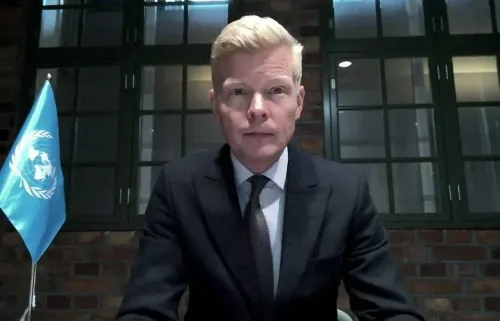
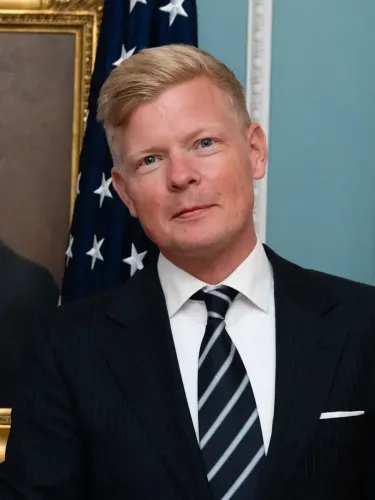
UN Special Envoy Hans Grundberg warned on Friday of a growing risk of renewed large-scale conflict in Yemen .
Recent Houthi attacks in Marib and Hadramout reportedly caused significant casualties, including civilians.
Houthis announced a maritime ban on Saudi shipping in July , citing a blockade; Riyadh rejected the claim.
Grundberg warned the developments risk 'jeopardising the gains of the 2022 truce ' and could trigger a 'broader regional confrontation.' The UN envoy called for 'maximum restraint' and good-faith negotiations under UN auspices.
Yemen's conflict dates to 2014 ; the UN-brokered truce expired in October 2022 without formal renewal.
UN Special Envoy for Yemen Hans Grundberg has warned of a sharply growing risk of renewed large-scale conflict in Yemen, citing escalating Houthi attacks on Saudi tankers, Yemeni government forces, and commercial shipping in the Red Sea and Gulf of Aden. The warning, issued on Friday, marks one of the most direct alerts from the UN on Yemen's fragile security situation in months.
Key Developments
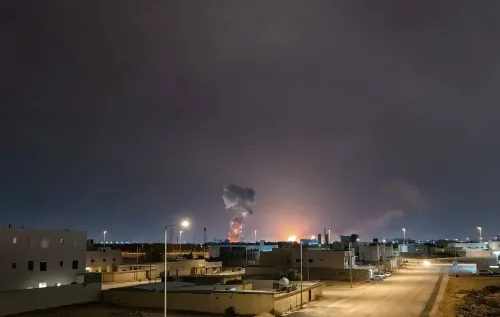
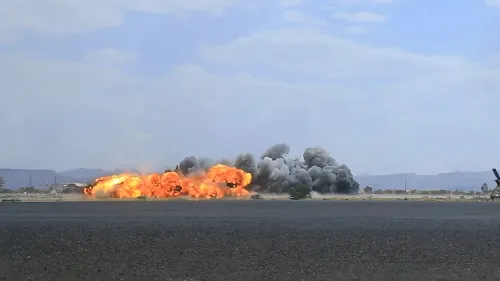
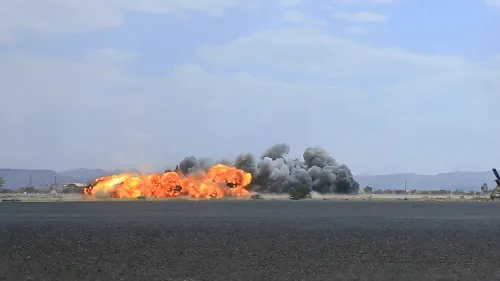
Grundberg pointed specifically to recent Houthi strikes in the provinces of Marib and Hadramout, which reportedly caused significant casualties, including among civilians. He also flagged attacks on civilian infrastructure — including airports — and what he described as a broader rise in regional tensions that threaten to undo hard-won diplomatic progress.
'Taken together, these developments risk jeopardising the gains of the 2022 truce,' Grundberg said, warning that the trajectory could draw Yemen into 'a broader regional confrontation.'
The Houthi Maritime Ban
In July, the Houthi group announced a maritime ban on Saudi shipping, citing what it called a Saudi blockade on Houthi-controlled areas. Riyadh firmly rejected that characterisation. The move has added a new and volatile dimension to the conflict, extending hostilities from land to critical international waterways used for global oil and commodity trade.
Background: A Conflict a Decade in the Making
Yemen has been engulfed in conflict since late 2014, when the Houthis seized much of northern Yemen, including the capital Sanaa. A Saudi-led coalition intervened in 2015 in support of the internationally recognised Yemeni government. A UN-brokered truce took effect in April 2022 and expired in October 2022 without a formal renewal, though a fragile de facto ceasefire has largely held since then.
What the UN Envoy Is Calling For
Grundberg said he had held intensive discussions in recent weeks with Yemeni parties, regional actors, and international partners to explore de-escalation pathways. He called on all sides to exercise 'maximum restraint,' halt actions that could provoke military retaliation, and engage in good-faith negotiations under UN auspices. This comes amid broader regional tensions that analysts warn could complicate any return to formal talks.
What Comes Next
The immediate focus will be on whether the Houthi group responds to international pressure or presses ahead with maritime and ground operations. Any escalation in Marib — a province with significant oil and gas infrastructure — could have consequences well beyond Yemen's borders. Grundberg's call for restraint underscores that the diplomatic window, while still open, is narrowing.
Point of View
Drawing in global shipping interests and potentially triggering a response that goes beyond Yemen's internal dynamics. The 2022 truce was always a pause, not a peace — and the absence of a formal extension left no mechanism to manage exactly this kind of creeping escalation. What mainstream coverage underweights is the Marib dimension: control of that province's energy infrastructure is the economic prize that has driven some of the war's most intense fighting, and renewed pressure there signals that the Houthis are testing the limits of the ceasefire on multiple fronts simultaneously.
NationPress
22 Sept 2026
Frequently Asked Questions
What has the UN envoy warned about Yemen?
UN Special Envoy Hans Grundberg warned on Friday that Yemen faces a growing risk of renewed large-scale conflict, driven by escalating Houthi attacks on Saudi tankers, Yemeni government forces, and civilian infrastructure. He cautioned that these developments could draw Yemen into a broader regional confrontation.
What is the Houthi maritime ban on Saudi shipping?
In July, the Houthi group announced a ban on Saudi shipping in the Red Sea and Gulf of Aden, claiming it was a response to a Saudi blockade on Houthi-controlled areas. Saudi Arabia firmly rejected that characterisation. The ban has added a new flashpoint to the conflict by targeting international commercial waterways.
What was the 2022 Yemen truce and is it still in effect?
A UN-brokered truce between Yemeni parties took effect in April 2022 and expired in October 2022 without a formal extension. A fragile de facto ceasefire has largely held since then, but recent Houthi attacks are reportedly putting those gains at risk.
Which areas in Yemen have seen the latest Houthi attacks?
The UN envoy specifically cited Houthi attacks in the provinces of Marib and Hadramout, which reportedly caused significant casualties including among civilians, alongside strikes on civilian infrastructure such as airports.
What is the UN calling for to prevent further escalation in Yemen?
Grundberg called on all parties to exercise maximum restraint, halt actions that could provoke military retaliation, and engage in good-faith negotiations under UN auspices. He said he had held intensive discussions with Yemeni parties, regional actors, and international partners in recent weeks to explore de-escalation options.