India flags 'dangerous escalation' after drone strike on UAE's Barakah nuclear plant
Synopsis
A drone struck an electrical generator outside the Barakah Nuclear Power Plant — the Arab world's first operational nuclear facility — and India's response was immediate and pointed. New Delhi called it 'unacceptable' and a 'dangerous escalation', a rare sharp diplomatic signal from a country that typically treads carefully in Gulf affairs. With no attribution yet and prior UAE reports of Iranian missiles this month, the region's risk calculus has shifted.
Key Takeaways
India's MEA on 18 May called the drone strike on the Barakah Nuclear Power Plant 'unacceptable' and a 'dangerous escalation'.
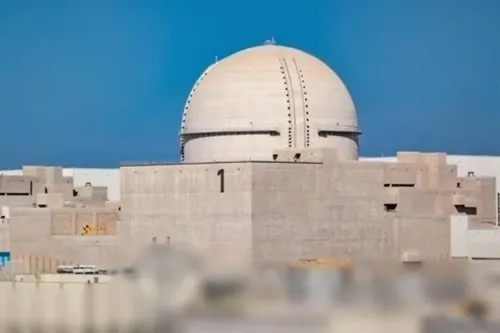
A drone struck an electrical generator outside the inner perimeter of the plant in the Al Dhafra Region, UAE , triggering a fire.
No injuries were reported; FANR confirmed no impact on radiological safety or plant operations.
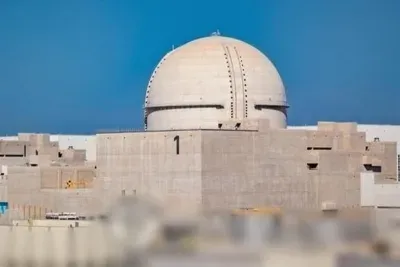
The Barakah plant is the Arab world's first operational nuclear power facility .
The UAE earlier this month reported missiles and drones 'launched from Iran' targeting areas of the country; no attribution has been made for the Barakah strike.
India urged all parties to return to dialogue and diplomacy .
India on 18 May expressed deep concern over a reported drone strike on the Barakah Nuclear Power Plant in the United Arab Emirates, calling the attack 'unacceptable' and urging all parties to step back from confrontation and return to diplomatic channels. The Ministry of External Affairs (MEA) issued a formal statement, marking one of New Delhi's sharpest public reactions to a security incident involving nuclear infrastructure in the Gulf.
What India Said
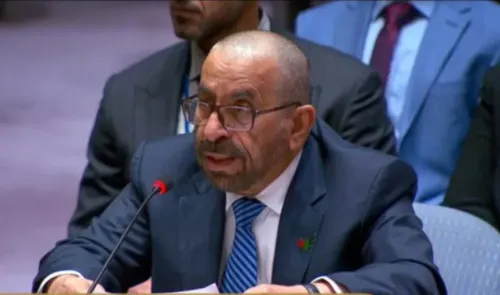
'India is deeply concerned at the attack targeting the Barakah nuclear facility in the UAE. Such actions are unacceptable and represent a dangerous escalation. We urgently call for restraint and a return to dialogue and diplomacy,' the MEA said in its statement.
The measured but firm language reflects New Delhi's longstanding position of non-escalation in regional conflicts, particularly those touching on nuclear safety — an area where India, as a nuclear-armed state and signatory to international safety frameworks, holds a considered institutional interest.
The Incident at Barakah
A fire broke out in the premises of the Barakah Nuclear Power Plant in the Al Dhafra Region of the UAE after a drone struck an electrical generator located outside the plant's inner perimeter, local media reported on Sunday. The Abu Dhabi Media Office confirmed the incident in a post on X, stating that authorities responded to the fire promptly.
No injuries were reported. The Federal Authority for Nuclear Regulation (FANR) confirmed that the fire did not compromise the safety of the power plant, its essential systems remained operational, and all units were functioning normally. Radiological safety levels were unaffected, according to the official statement.
Authorities urged the public to rely only on official sources and to refrain from spreading unverified information. No details regarding the origin of the drone were disclosed in the statement.
Why Barakah Matters
The Barakah Nuclear Power Plant, situated in the Al Dhafra Region of Abu Dhabi, is the Arab world's first operational nuclear power facility. It is a cornerstone of the UAE's energy diversification strategy and carries significant symbolic weight across the broader Middle East. Any strike — even one that causes no radiological damage — on such a facility raises immediate alarm under international nuclear safety norms and the frameworks of the International Atomic Energy Agency (IAEA).
Notably, this incident comes after the UAE earlier this month reported that several missiles and drones had been 'launched from Iran' towards multiple areas of the country, though no attribution has been made in connection with the Barakah strike specifically.
Regional Context and International Concern
The drone strike fits into a pattern of escalating tensions across the Gulf, where critical infrastructure — oil facilities, airports, and now a nuclear plant — has increasingly become a theatre of conflict. India's diplomatic response signals that New Delhi is watching the situation closely, given its substantial energy and trade ties with the UAE and its large diaspora in the region.
This is not the first time the Gulf's energy infrastructure has come under drone or missile attack, but a strike on a nuclear facility — even one that falls short of the inner perimeter — represents a qualitative shift in risk calculus that regional and global powers are unlikely to ignore. How the UAE and its partners respond in the coming days will be closely tracked.
Point of View
As a responsible nuclear state, will not treat as routine. What the statement does not do is assign blame, which keeps India's diplomatic options open in a region where it has deep economic and diaspora stakes. The bigger question mainstream coverage is missing: with no attribution made for the Barakah drone and the UAE's prior reports of Iranian projectiles this month, the Gulf is edging toward a threshold where nuclear facilities become legitimate targets in proxy conflicts — a precedent with consequences far beyond the region.
NationPress
5 Oct 2026
Frequently Asked Questions
What happened at the Barakah Nuclear Power Plant in the UAE?
A drone struck an electrical generator located outside the inner perimeter of the Barakah Nuclear Power Plant in the Al Dhafra Region of the UAE, causing a fire. Authorities confirmed no injuries, no radiological impact, and all plant units continued operating normally.
What did India say about the Barakah nuclear plant attack?
India's Ministry of External Affairs called the attack 'unacceptable' and a 'dangerous escalation', urging all sides to exercise restraint and return to dialogue and diplomacy. The statement was issued on 18 May.
Is the Barakah Nuclear Power Plant safe after the drone strike?
Yes, according to the Federal Authority for Nuclear Regulation (FANR). The authority confirmed the fire did not affect the plant's safety or essential systems, radiological safety levels were normal, and all units remained operational.
Who carried out the drone strike on Barakah?
No attribution has been made. The official UAE statement did not identify the origin of the drone. The UAE had separately reported earlier in May that missiles and drones were 'launched from Iran' at other areas of the country, but no link to the Barakah incident has been officially established.
Why is the Barakah Nuclear Power Plant significant?
The Barakah plant in Abu Dhabi's Al Dhafra Region is the Arab world's first operational nuclear power facility. It is central to the UAE's energy diversification strategy and is considered highly sensitive under international nuclear safety norms.