IAEA chief warns of nuclear risk after drone strike at Zaporizhzhia plant

Synopsis
A drone struck the turbine island of Unit 6 at the Zaporizhzhia Nuclear Power Plant — the first such attack within the perimeter since April 2024. IAEA chief Rafael Grossi's 'playing with fire' warning signals how close Europe's largest nuclear facility is to a potential catastrophe, even as Rosatom insists damage was limited.
Key Takeaways
A drone struck the turbine building of Unit 6 at Zaporizhzhia Nuclear Power Plant on 31 May , reportedly causing a hole in a wall.
IAEA Director General Rafael Grossi warned that attacks on nuclear facilities are 'like playing with fire' and called for immediate restraint.
Rosatom confirmed the strike but said there were no casualties and no damage to key equipment.
Rosatom CEO Alexey Likhachev called it the first targeted strike on a nuclear plant's key equipment to cause a blast and structural damage to the turbine island.
The IAEA team at the plant has requested access to the affected building for a first-hand damage assessment.
The incident is reportedly the first drone attack within the ZNPP perimeter since April 2024 ; the plant has been under Russian control since March 2022 .
International Atomic Energy Agency (IAEA) Director General Rafael Grossi on 31 May voiced serious concern over a reported drone strike on a turbine building at the Zaporizhzhia Nuclear Power Plant (ZNPP) in Ukraine, warning that attacks on nuclear facilities are 'like playing with fire.' The agency said the strike would mark the first drone attack within the plant's perimeter since April 2024.
What Happened
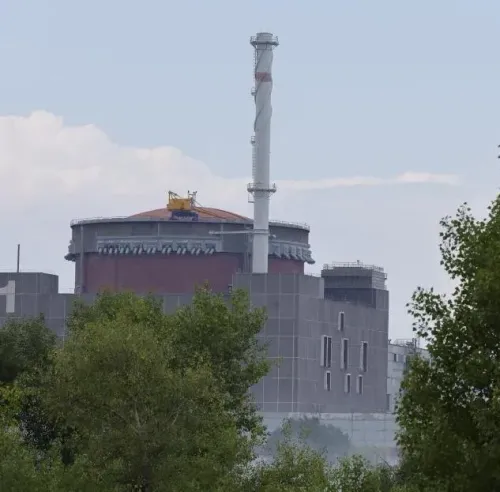
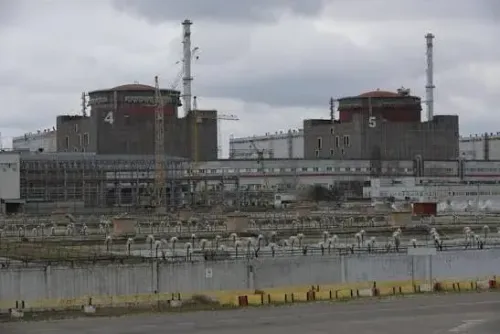
The IAEA said it had been informed by the ZNPP that a drone struck a turbine building at the facility, reportedly causing a hole in one of the building's walls. According to Russia's Rosatom, a Ukrainian drone struck the turbine island of Unit 6 of the power plant and exploded. Rosatom stated that no damage to key equipment was reported and there were no casualties.
Rosatom CEO Alexey Likhachev described the incident as the first targeted strike against a nuclear plant's key equipment that caused a blast and inflicted damage on the turbine island structure.
IAEA's Response
'There should be no attacks of any kind from or against a nuclear facility,' Grossi said, reiterating his call for restraint to protect nuclear safety and security. The IAEA team stationed at the plant has requested access to the affected turbine building to conduct a first-hand assessment of the reported damage.
Notably, the IAEA disclosed details of the incident through a post on social media platform X, reflecting the urgency with which the agency is treating the situation.
The Plant's Statement
The ZNPP's official social media account stated: 'Such strikes on nuclear facilities are extremely irresponsible and pose grave threats to nuclear security. Any attack on a nuclear plant's infrastructure may trigger unpredictable consequences and endanger regional safety.' The plant confirmed there were no casualties or serious damage.
Background and Broader Context
The Zaporizhzhia Nuclear Power Plant, one of Europe's largest nuclear power facilities, has been under Russian control since March 2022. Since the outbreak of the Russia-Ukraine conflict, the IAEA has repeatedly warned of the risks posed by military activities in and around the site, calling for the protection of nuclear infrastructure. This latest incident underscores how the plant — already operating under extraordinary stress — remains a flashpoint with potentially catastrophic consequences for the wider region.
With the IAEA team now seeking direct access to the damaged turbine building, the findings of their on-site assessment will be closely watched by nuclear safety authorities worldwide.
Point of View
But the agency has been issuing the same warnings since 2022 without any enforceable mechanism to stop military activity near the site. Europe's largest nuclear plant sits in an active war zone, inspected by an international body with no authority to compel either side. That structural gap in the global nuclear safety architecture is the real story here — and it remains unresolved.
NationPress
25 Sept 2026
Frequently Asked Questions
What happened at the Zaporizhzhia Nuclear Power Plant on 31 May?
A drone struck the turbine building of Unit 6 at the Zaporizhzhia Nuclear Power Plant, reportedly causing a hole in one of the building's walls. Russia's Rosatom confirmed the strike, stating there were no casualties and no damage to key equipment.
What did IAEA chief Rafael Grossi say about the strike?
IAEA Director General Rafael Grossi expressed serious concern, warning that attacks on nuclear facilities are 'like playing with fire.' He reiterated that there should be no attacks of any kind from or against a nuclear facility and called for restraint.
Is this the first drone attack on the Zaporizhzhia plant?
According to the IAEA, this is the first drone attack within the perimeter of the Zaporizhzhia Nuclear Power Plant since April 2024. Rosatom CEO Alexey Likhachev called it the first targeted strike on key nuclear equipment to cause a blast and structural damage.
Who controls the Zaporizhzhia Nuclear Power Plant?
The Zaporizhzhia Nuclear Power Plant, one of Europe's largest nuclear facilities, has been under Russian control since March 2022, following the outbreak of the Russia-Ukraine conflict.
What is the IAEA doing in response?
The IAEA team stationed at the plant has formally requested access to the affected turbine building to conduct a first-hand assessment of the reported damage. The agency disclosed the incident via a post on social media platform X and continues to monitor the situation closely.