IAEA chief urges restraint after Russian troops injured near Zaporizhzhia NPP
Synopsis
A ceasefire brokered by the IAEA to allow emergency repairs at Europe's largest nuclear plant hit a flashpoint on Friday when Russian military personnel were reportedly injured during de-mining operations near Zaporizhzhia. With the plant's main 750kV power line severed since March and six reactors dependent on diesel backup, the stakes of this fragile truce could not be higher.
Key Takeaways
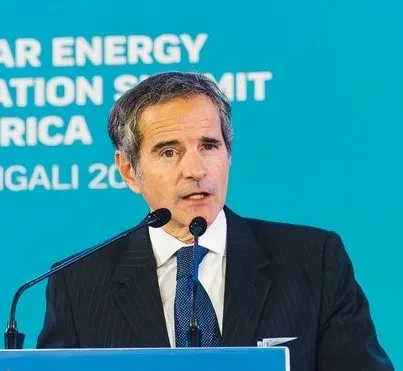
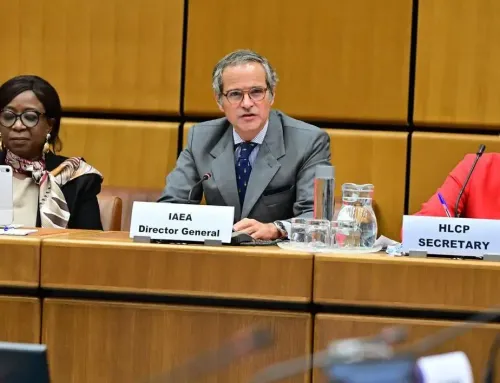
IAEA Director General Rafael Grossi called for maximum military restraint after Russian personnel were reportedly injured near Zaporizhzhia NPP on 6 June .
Rosatom chief Alexey Likhachev said three engineers were injured — two in serious condition — following alleged Ukrainian drone strikes on the facility.
The IAEA-brokered localised ceasefire was designed to enable repairs to the 750-kilovolt Dniprovska transmission line , disconnected since 24 March .
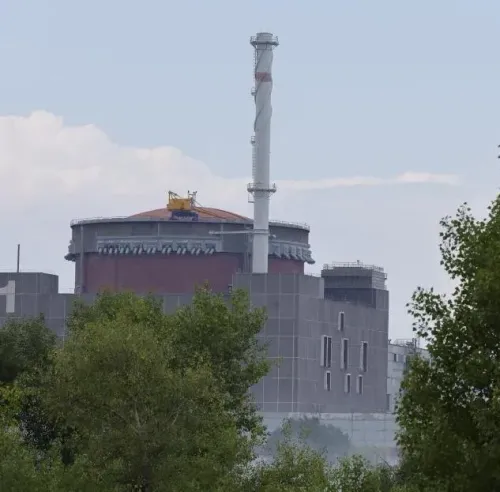
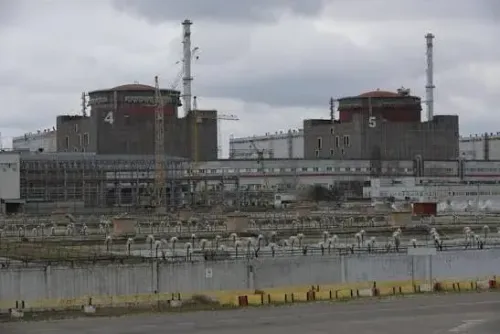
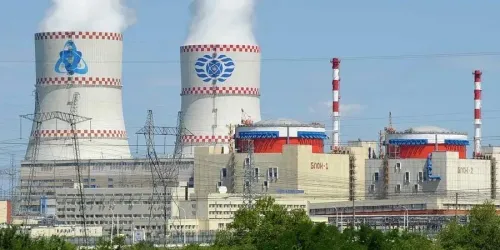
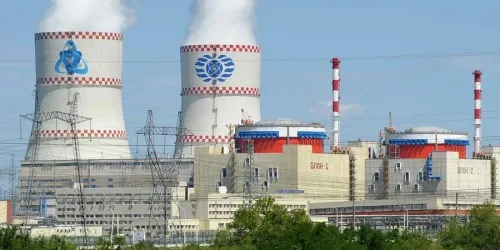
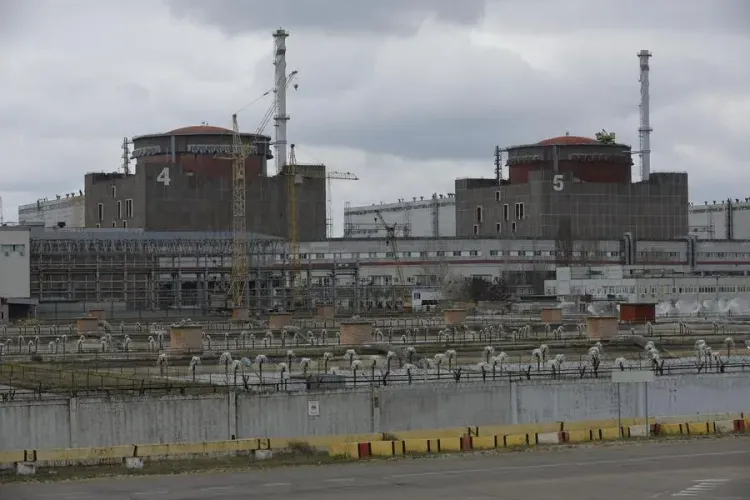
The Zaporizhzhia NPP , Europe's largest nuclear facility, has been under Russian control since March 2022 and relies on emergency diesel generators for reactor cooling.
The Ukrainian side said it remains committed to the ceasefire; the IAEA confirmed an investigation into the incident is underway.
IAEA Director General Rafael Grossi on Friday, 6 June called for maximum military restraint and full adherence to the localised ceasefire near the Zaporizhzhia Nuclear Power Plant (NPP) in Ukraine, after Russian military personnel were reportedly injured during a de-mining operation tied to the truce. The incident threatens to derail critical repair work on the plant's main external power line, which has been severed for more than two months.
What Happened at the Ceasefire Line
The IAEA confirmed it had been informed that some Russian military personnel were injured on Friday during the de-mining phase of the agreed localised ceasefire — a truce the agency itself brokered on the front line near the plant. Alexey Likhachev, director general of Russia's state nuclear corporation Rosatom, reported Ukrainian drone strikes on the facility Friday afternoon. 'Three of our engineers were injured, two of them are in serious condition,' Likhachev was quoted as saying. The IAEA said the incident is under investigation; the Ukrainian side, for its part, stated it remains committed to the ceasefire.
The Power Line at the Centre of the Crisis
The localised ceasefire was specifically designed to enable repairs to the plant's 750-kilovolt Dniprovska transmission line, which has been disconnected since 24 March. Repair specialists began work on the line Friday, according to the plant's operator, who noted the ceasefire was a precondition for deploying personnel to energy infrastructure. Grossi stressed that restoring the off-site power line would be 'an important and positive step for nuclear safety, which is in everybody's vital interest.'
Why the Power Supply Matters
Without its main external power connection, the Zaporizhzhia NPP has been relying on emergency diesel generators to supply the electricity needed to cool its six shutdown reactors — a contingency arrangement that nuclear safety experts regard as a persistent risk. The plant, Europe's largest nuclear facility, has been under Russian control since March 2022. Any failure of backup cooling during a power outage could escalate into a radiological emergency with consequences far beyond the immediate conflict zone.
IAEA's Position and What Comes Next
Grossi reiterated the urgency of completing the repair work, underscoring that the 750-kilovolt line has been offline for more than two months. The agency did not assign blame for Friday's injuries but called on both sides to uphold the ceasefire and allow technical teams to complete their work. The investigation into the incident is ongoing. Whether the repair operation can continue — and whether the ceasefire holds — will determine the near-term nuclear safety outlook at one of the world's most closely watched power plants.
Point of View
It is a countdown. The IAEA's ceasefire architecture is creditable, but it depends entirely on both parties choosing restraint in the middle of an active war — a fragile assumption. What is missing from the international conversation is a binding protocol with real consequences for violations near nuclear infrastructure, not just appeals for 'maximum restraint.'
NationPress
26 Sept 2026
Frequently Asked Questions
Why was a ceasefire agreed near the Zaporizhzhia nuclear plant?
The IAEA brokered a localised ceasefire on the front line near the Zaporizhzhia NPP specifically to allow repair teams to restore the plant's 750-kilovolt Dniprovska external power line, which has been disconnected since 24 March. Without it, the plant depends on emergency diesel generators to cool its six shutdown reactors.
Who was injured near Zaporizhzhia on 6 June?
Rosatom director general Alexey Likhachev reported that three Russian engineers were injured — two in serious condition — following what he described as Ukrainian drone strikes on the Zaporizhzhia NPP on Friday afternoon. The IAEA said it is investigating the incident.
What is the nuclear safety risk at Zaporizhzhia?
The Zaporizhzhia NPP has been relying on emergency diesel generators for the electricity needed to cool its six shutdown reactors since its main external power line was severed. A failure of this backup cooling system during a power outage could trigger a radiological emergency, making restoration of the 750kV line a critical safety priority.
Who controls the Zaporizhzhia nuclear plant?
The Zaporizhzhia NPP, Europe's largest nuclear power facility, has been under Russian military control since March 2022. It is operated under Rosatom oversight, while the IAEA maintains a monitoring presence at the site.
What did the IAEA say about the ceasefire violation?
IAEA Director General Rafael Grossi called for maximum military restraint and full adherence to the ceasefire after learning of the injuries. The agency confirmed the incident is under investigation and noted that the Ukrainian side stated it remains committed to the truce.