IAEA inspects Zaporizhzhia nuclear plant after Ukrainian drone hits Unit 6

Synopsis
IAEA inspectors confirmed drone-strike damage at Zaporizhzhia's Unit 6 — and were briefly forced to shelter mid-inspection as more drones were heard overhead. Rosatom calls it the first-ever targeted attack on a nuclear plant's core equipment in history. Radiation levels are currently normal, but the incident has pushed the world's largest nuclear facility back to the centre of the conflict's most dangerous fault line.
Key Takeaways
IAEA experts inspected the impact site at Zaporizhzhia Nuclear Power Plant Unit 6 on 31 May , a day after a Ukrainian drone struck the turbine building.
Inspectors observed damage to a metal access hatch , debris, and burned optical fibre remains; findings are consistent with a drone impact.
Radiation levels at the site were confirmed normal by the IAEA team's measuring equipment.
IAEA Director General Rafael Mariano Grossi called the strike a serious incident, stating attacks on nuclear sites 'are unacceptable and must stop.' Rosatom chief Alexey Likhachev said the drone was guided by fibre optics, ruling out an accidental impact, and called it the first targeted strike on a nuclear plant's core equipment in history.
The IAEA has requested access to the interior of the building adjacent to Unit 6 for further examination.
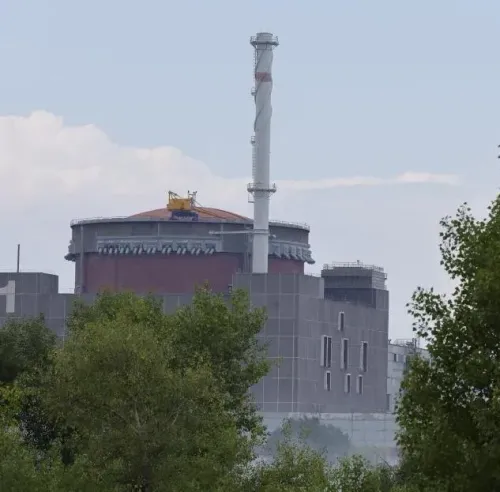
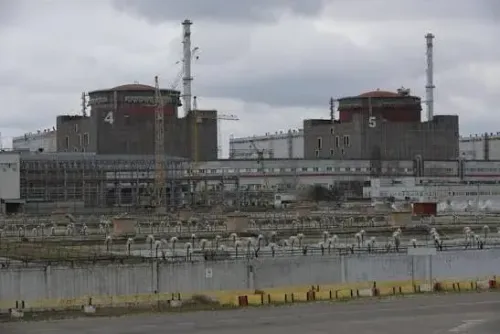
Experts from the International Atomic Energy Agency (IAEA) are on the ground at the Zaporizhzhia Nuclear Power Plant (ZNPP) in Ukraine, inspecting damage caused by a Ukrainian drone strike on Unit 6 on 30 May, according to reports. The inspection, confirmed on 31 May, follows what nuclear safety officials have described as a serious incident with direct implications for global nuclear security.
What Inspectors Found on the Ground
During the walk-down of the impact site, the IAEA team observed damage to a metal access hatch located several levels up in the building, along with scattered debris and burned optical fibre remains on the ground. The agency confirmed on X (formerly Twitter) that its team's observations were consistent with a drone impact.
Notably, the inspection was briefly interrupted when the team was directed to shelter after hearing the sound of drones nearby and gunfire being used to repel them. Despite the disruption, inspectors confirmed with measuring equipment that radiation levels at the site remain normal.
IAEA Requests Further Access
The agency has formally requested access to the interior of the building immediately adjacent to reactor Unit 6 for a more thorough examination. The request underscores the watchdog's concern that the full extent of damage may not yet be visible from external observation alone.
IAEA Director General Rafael Mariano Grossi characterised the strike as a serious incident that endangered key nuclear safety principles. 'Attacks on nuclear sites are unacceptable and must stop in order to prevent the very real risk of a nuclear accident that would benefit no one,' Grossi stated, according to the agency's post on X.
Rosatom's Account of the Strike
Rosatom Director General Alexey Likhachev said on Saturday that a Ukrainian combat drone struck the turbine building of Unit 6, causing a subsequent detonation. 'The explosion did not damage the main equipment, but it did create a hole in the turbine wall,' Likhachev said.
Likhachev further stated that the drone was controlled via fibre optics, which he argued 'completely rules out the possibility of an accidental impact.' According to Likhachev, this marks the first targeted attack on a nuclear power plant's core equipment in the history of the international community — a claim that, if accurate, sets a deeply alarming precedent.
Russia's Diplomatic Response
Mikhail Ulyanov, Russia's Permanent Representative to the International Organisations in Vienna, confirmed the inspection via a post on Facebook, as reported by Russia's state-owned TASS news agency. The Kremlin has consistently accused Ukraine of targeting the plant, while Kyiv has denied responsibility for previous incidents at the facility.
Why This Incident Matters
The Zaporizhzhia Nuclear Power Plant is Europe's largest nuclear facility and has been under Russian military control since early 2022. It has been the subject of repeated IAEA concern throughout the conflict, with the watchdog stationing a permanent monitoring team on site. This comes amid an ongoing pattern of close calls at the plant, each of which the IAEA has flagged as a potential trigger for a nuclear accident. The latest strike, with radiation levels reportedly stable for now, does not diminish the structural risk that continued hostilities near the plant represent.
The IAEA's findings and its request for deeper access to the building will be closely watched as the agency prepares a fuller assessment in the coming days.
Point of View
Gunfire nearby — is not a footnote. It is a measure of how normalised danger has become at Europe's largest nuclear plant. Rosatom's claim that this is the first targeted attack on a nuclear facility's core equipment in history is extraordinary; if verified independently, it shifts the legal and diplomatic stakes considerably. Yet the international response remains largely confined to statements. The gap between the severity of the risk Grossi is articulating and the action the international community is willing to take grows wider with each incident at Zaporizhzhia.
NationPress
25 Sept 2026
Frequently Asked Questions
What happened at the Zaporizhzhia Nuclear Power Plant on 30 May?
A Ukrainian drone struck the turbine building of Unit 6 at the Zaporizhzhia Nuclear Power Plant on 30 May, causing a detonation that created a hole in the turbine wall but did not damage the main equipment, according to Rosatom. IAEA experts arrived the following day to inspect the damage.
Are radiation levels at Zaporizhzhia normal after the drone strike?
Yes. IAEA inspectors confirmed with their measuring equipment that radiation levels at the site remain normal following the 30 May drone strike on Unit 6.
What did IAEA Director General Grossi say about the attack?
IAEA Director General Rafael Mariano Grossi described the strike as a serious incident that endangered key nuclear safety principles. He stated that attacks on nuclear sites are unacceptable and must stop to prevent the risk of a nuclear accident.
Why does Rosatom say the drone strike was deliberate?
Rosatom Director General Alexey Likhachev stated that the drone was controlled via fibre optics, which he said completely rules out the possibility of an accidental impact. He characterised it as the first targeted attack on a nuclear power plant's core equipment in international history.
What is the IAEA's next step at Zaporizhzhia?
The IAEA has requested access to the interior of the building immediately adjacent to reactor Unit 6 for further examination. The agency's fuller assessment is expected in the coming days.