Zaporizhzhia nuclear plant loses power for 21st time, IAEA warns of fragile safety
Synopsis
Europe's largest nuclear plant has now lost off-site power 21 times since the Ukraine crisis began — and this time, drone attacks have also crippled the emergency fire station in nearby Enerhodar. IAEA chief Rafael Grossi's warning of 'extreme fragility' is no longer hypothetical: the backup systems keeping the Zaporizhzhia plant safe are being tested with alarming regularity.
Key Takeaways
The Zaporizhzhia Nuclear Power Plant lost off-site power for the 21st time since the Ukraine crisis on Friday .
Military activity triggered electrical protection systems on the 330 kV Ferosplavna-1 transmission line, cutting grid connection.
Emergency diesel generators automatically activated to maintain reactor cooling and essential safety functions.
IAEA Director General Rafael Grossi warned of the 'extreme fragility of nuclear safety' and called for maximum military restraint.
Drone attacks on Thursday caused significant damage to a fire station in Enerhodar , undermining the plant's emergency response capacity.
The IAEA maintains a permanent on-site monitoring team and has repeatedly urged a nuclear safety protection zone around the plant.
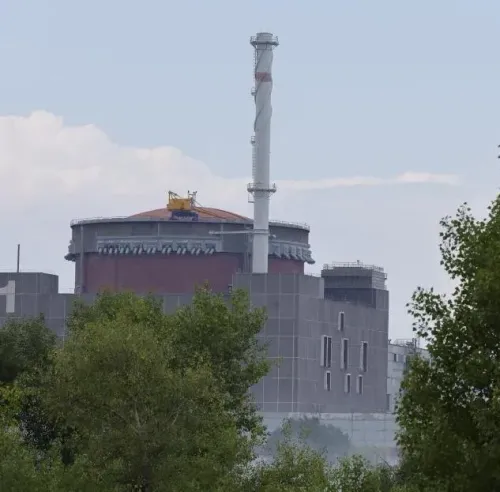
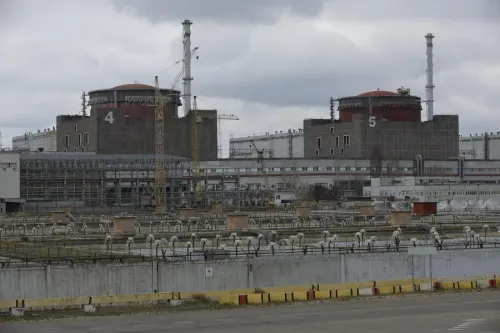
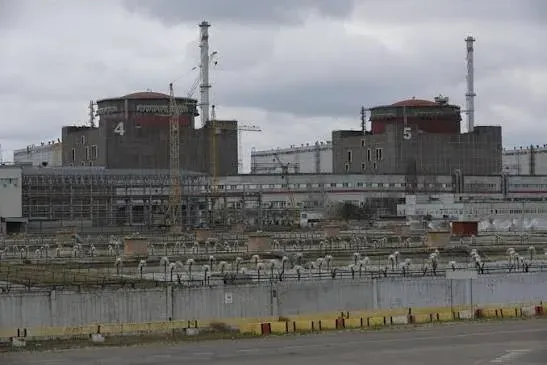
The Zaporizhzhia Nuclear Power Plant (ZNPP) lost its off-site power supply for the 21st time since the onset of the Ukraine crisis on Friday, the International Atomic Energy Agency (IAEA) confirmed, raising fresh alarm over the precarious nuclear safety conditions at Europe's largest nuclear facility.
What Triggered the Latest Outage
The plant lost its connection to the 330 kV Ferosplavna-1 transmission line after military activity triggered the electrical protection systems on the lines linking the ZNPP to that grid connection, according to the IAEA team stationed at the site. Following the loss of off-site power, the plant's emergency diesel generators automatically activated to sustain electricity for reactor cooling systems and other critical nuclear safety functions.
IAEA Director General's Warning
IAEA Director General Rafael Grossi issued a stark warning in the aftermath. 'The latest loss of off-site power again highlights the extreme fragility of nuclear safety at the plant and the need for maximum military restraint to help prevent a nuclear accident,' Grossi said. The statement underscores the agency's mounting concern that repeated disruptions are eroding the safety margins built into the plant's design.
Drone Attacks Damage Emergency Fire Station
The power outage follows a separate but related incident on Thursday, when Grossi condemned drone attacks as 'unacceptable' after they caused significant damage to a fire station supporting emergency response at the ZNPP. The IAEA team confirmed substantial damage to a fire station in the nearby city of Enerhodar, including the building itself and several firefighting vehicles, which had largely undermined the station's operational capacity. The facility serves as important backup support to the plant's own fire brigade in the event of a large-scale emergency. 'Any attack that undermines nuclear safety and emergency preparedness is unacceptable,' Grossi warned.
A Pattern of Escalating Risk
This is not an isolated incident. The ZNPP has now suffered 21 off-site power disruptions since the escalation of the Ukraine crisis, a frequency that safety experts say stretches the plant's backup systems beyond their intended operational envelope. Emergency diesel generators are designed as a last resort, not a routine power source, and their repeated activation represents a compounding risk. Notably, each successive outage narrows the margin for error — a generator failure during a blackout could trigger a cooling crisis at the reactors.
What Happens Next
The IAEA continues to maintain a permanent monitoring team at the site. The agency has repeatedly called on all parties to the conflict to exercise maximum restraint around the plant and to establish a nuclear safety protection zone. With the 21st power loss now on record and emergency infrastructure visibly degraded, international pressure on both sides to agree to protective measures is likely to intensify.
Point of View
Yet the agency's leverage remains limited to public statements. What is underreported is the cumulative toll on backup systems: diesel generators were never designed for routine, repeated use, and each activation shortens their reliable lifespan. The destruction of the Enerhodar fire station compounds this — the plant's last-resort emergency response layer has now been visibly degraded. The international community's failure to secure even a minimal protection zone around the facility remains one of the most consequential unresolved risks of the Ukraine conflict.
NationPress
2 Oct 2026
Frequently Asked Questions
Why did the Zaporizhzhia Nuclear Power Plant lose power on Friday?
The plant lost its connection to the 330 kV Ferosplavna-1 transmission line after military activity triggered the electrical protection systems on the transmission lines linking the ZNPP to that grid connection. It was the 21st such off-site power loss since the Ukraine crisis began.
What happens to the plant when it loses off-site power?
Emergency diesel generators automatically start operating to maintain electricity for reactor cooling systems and other essential nuclear safety functions. These generators serve as a backup of last resort, though their repeated activation is itself a safety concern.
What did IAEA chief Rafael Grossi say about the Zaporizhzhia situation?
Grossi warned that the latest outage 'again highlights the extreme fragility of nuclear safety at the plant and the need for maximum military restraint to help prevent a nuclear accident.' He also condemned drone attacks on the nearby Enerhodar fire station as 'unacceptable.'
What damage was caused to the Enerhodar fire station?
Drone attacks on Thursday caused significant damage to the fire station building and several firefighting vehicles in Enerhodar, largely undermining the station's operational capacity. The facility provides critical backup support to the plant's own fire brigade during large-scale emergencies.
How many times has Zaporizhzhia lost off-site power since the Ukraine crisis began?
As of Friday, the Zaporizhzhia Nuclear Power Plant has lost off-site power 21 times since the escalation of the Ukraine crisis, making it one of the most repeatedly disrupted nuclear facilities in history during an active conflict.