Zaporizhzhia nuclear plant chief engineer killed in alleged Ukrainian drone strike
Synopsis
Russia has opened a criminal case after the chief engineer of the Zaporizhzhia Nuclear Power Plant was killed in an alleged Ukrainian drone strike in Enerhodar — the latest in a series of escalating incidents at Europe's largest nuclear facility, which has now lost off-site power 21 times since the conflict began.
Key Takeaways
Alexander Yakovlev , chief engineer of the Zaporizhzhia Nuclear Power Plant , was killed in an alleged Ukrainian drone strike in Enerhodar on Wednesday, 16 July .
Russia's Investigative Committee has opened a criminal case into the death; his driver was also killed and a third person injured.
The ZNPP has lost off-site power for the 21st time since the Ukraine conflict began, with the latest outage caused by a disconnection from the 330 kV Ferosplavna-1 line.
IAEA Director General Rafael Grossi warned of the 'extreme fragility of nuclear safety' at the plant and called for maximum military restraint.
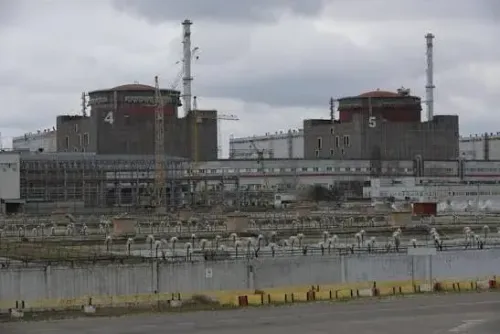
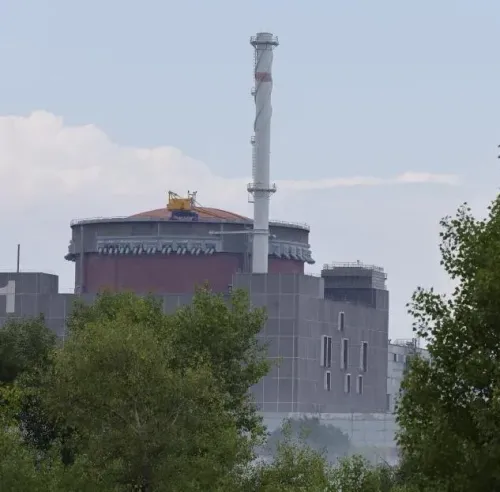
The plant, one of Europe's largest nuclear facilities , has been under Russian control since March 2022 .
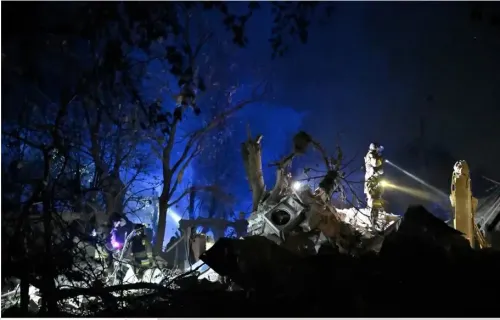
Russia's Investigative Committee has opened a criminal case into the death of Alexander Yakovlev, chief engineer of the Zaporizhzhia Nuclear Power Plant (ZNPP), after his vehicle was allegedly struck by a Ukrainian drone on Wednesday in the city of Enerhodar. The attack also killed his driver and left a third occupant — a plant employee — injured, according to the committee's official representative, Svetlana Petrenko.
What Happened in Enerhodar
Petrenko confirmed the investigation's findings on Thursday, 16 July, stating that the vehicle carrying Yakovlev was hit by a drone attributed to Ukrainian forces. The incident claimed two lives and wounded at least one other person. Russian authorities have framed the attack as a deliberate strike on nuclear plant personnel.
Yevgeny Balitsky, governor of the Russia-controlled portion of the Zaporizhzhia region, alleged on Wednesday that Ukraine has been systematically targeting energy infrastructure, civilian vehicles, shops, and social facilities in an effort to halt the plant's operations. Ukraine has not publicly claimed responsibility for the strike.
Europe's Largest Nuclear Plant Under Strain
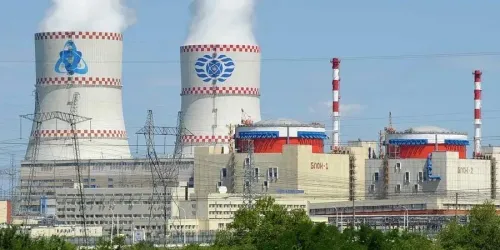
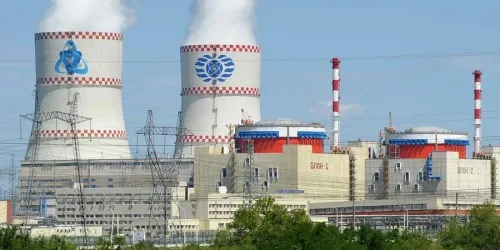
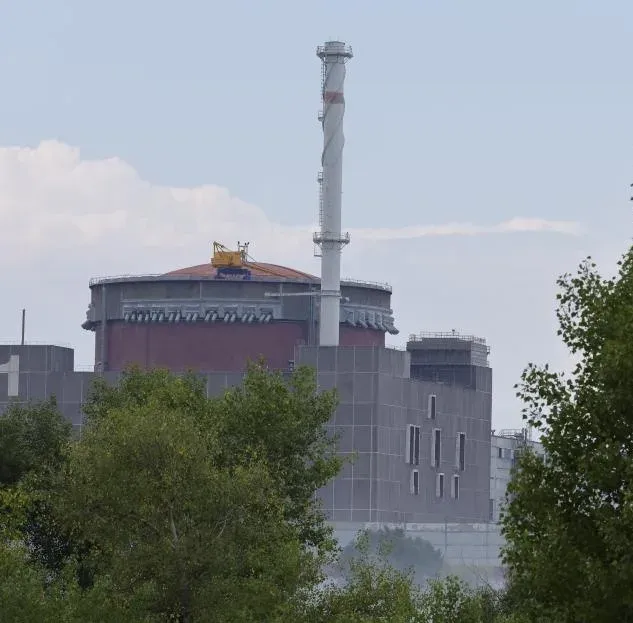
The Zaporizhzhia Nuclear Power Plant, one of Europe's largest nuclear facilities, has been under Russian control since March 2022, when Russian forces seized it in the early weeks of the full-scale invasion. The plant has since become a focal point of nuclear safety concerns, with repeated incidents threatening its stable operation.
Earlier this month, the International Atomic Energy Agency (IAEA) was notified that the ZNPP had lost its off-site power supply for the 21st time since the start of the Ukraine conflict. The outage followed the plant's disconnection from the 330 kV Ferosplavna-1 transmission line after military activity triggered electrical protection systems on the linking lines.
Emergency Generators Activated
Following the latest power loss, the plant's emergency diesel generators automatically activated to sustain electricity for reactor cooling systems and other critical nuclear safety functions, the IAEA confirmed. The agency's team stationed at the site verified that military activity had caused the disruption.
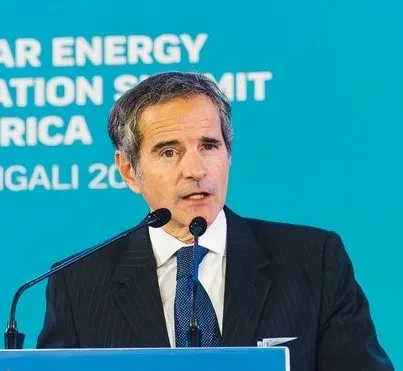
IAEA Director General Rafael Grossi issued a stark warning: "The latest loss of off-site power again highlights the extreme fragility of nuclear safety at the plant and the need for maximum military restraint to help prevent a nuclear accident."
Growing Nuclear Safety Alarm
The killing of the plant's chief engineer adds a new and serious dimension to the already precarious situation at Zaporizhzhia. The ZNPP's repeated loss of external power — now recorded 21 times — has drawn sustained international concern. Each outage forces reliance on backup diesel generators, which carry their own operational risks if fuel supplies are disrupted or generators fail.
With the war showing no signs of abating near the plant's perimeter, the IAEA and nuclear safety experts have repeatedly called for a protection zone around the facility. The latest incident is likely to intensify those calls and reignite debate at the United Nations Security Council over the plant's status.
Point of View
The margin for error has narrowed dangerously. The IAEA's repeated calls for military restraint have gone unheeded by both sides, and the absence of a credible protection zone around the plant remains the most glaring gap in international nuclear safety governance. A serious accident at Zaporizhzhia would not respect borders — the consequences would be continental.
NationPress
15 Oct 2026
Frequently Asked Questions
Who was Alexander Yakovlev and why does his death matter?
Alexander Yakovlev was the chief engineer of the Zaporizhzhia Nuclear Power Plant, one of Europe's largest nuclear facilities. His death in an alleged drone strike on 16 July is significant because it suggests that key technical personnel at an active nuclear plant are being targeted amid ongoing conflict, raising acute safety and governance concerns.
What criminal case has Russia opened over the Zaporizhzhia attack?
Russia's Investigative Committee has opened a criminal case into the death of Alexander Yakovlev, whose vehicle was allegedly struck by a Ukrainian drone in Enerhodar on Wednesday. The case covers the killing of Yakovlev and his driver, as well as the injury of a third passenger who was a plant employee.
How many times has the Zaporizhzhia plant lost off-site power?
The Zaporizhzhia Nuclear Power Plant has lost its off-site power supply 21 times since the Ukraine conflict began, according to the IAEA. The most recent outage was caused by a disconnection from the 330 kV Ferosplavna-1 transmission line triggered by military activity.
What has the IAEA said about nuclear safety at Zaporizhzhia?
IAEA Director General Rafael Grossi has warned that the repeated loss of off-site power 'highlights the extreme fragility of nuclear safety at the plant' and called for maximum military restraint to prevent a nuclear accident. The agency maintains a team stationed at the site to monitor conditions.
Who controls the Zaporizhzhia Nuclear Power Plant?
The Zaporizhzhia Nuclear Power Plant has been under Russian control since March 2022, when Russian forces seized it in the early weeks of the full-scale invasion of Ukraine. It remains one of the most closely watched flashpoints of the conflict due to its nuclear safety implications.