India's senior living market to cross ₹1 trillion by 2030, demand at 30 lakh units

Synopsis
India's senior living sector is on course to become a trillion-rupee market by 2030 — but the supply-demand gap is staggering. Against an estimated demand of 20–22 lakh units, organised inventory stands at just 25,000 units today. With India set to hold 16 per cent of the world's elderly population by 2050, the race to build age-appropriate housing at scale has barely begun.
Key Takeaways
India's senior living market is projected to exceed ₹1 trillion by 2030 , up from ₹300 billion in 2026, per Colliers India .
Demand for senior housing could reach nearly 30 lakh units , against an organised supply of only about 25,000 units currently.
Organised supply is expected to quadruple to approximately 1 lakh units by 2030.
Segment penetration is forecast to rise from 1.3 per cent to around 4 per cent within three to four years.
India's population aged 60 and above is set to grow from 11 per cent now to 21 per cent by 2050 .
India is projected to account for about 16 per cent of the global elderly population of 2.1 billion by 2050.
India's senior living market is projected to surpass ₹1 trillion by 2030, with demand for senior housing potentially reaching nearly 30 lakh units, according to a report released on Tuesday, 18 August by Colliers India. The findings position senior living as one of the fastest-growing alternative real estate asset classes in the country.
Market Size and Growth Trajectory
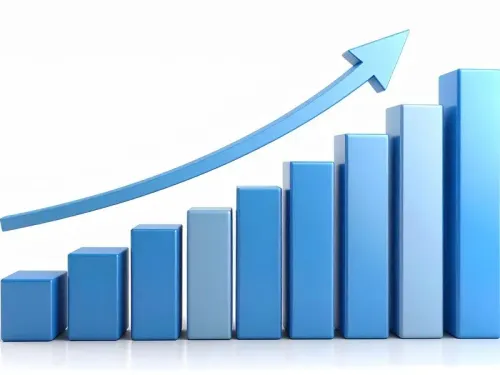
The Colliers India report places the current senior living market at approximately ₹300 billion — nearly 70 per cent higher than 2024 levels. The firm has mapped a clear growth curve: ₹180 billion in 2024, ₹300 billion in 2026, ₹700 billion in 2028, and over ₹1,000 billion by 2030. Penetration levels in the segment are expected to climb from 1.3 per cent currently to around 4 per cent within the next three to four years.
Supply Gap Remains Stark
Despite surging demand, organised supply remains severely constrained. Current estimated demand stands at 20–22 lakh units, yet organised inventory covers only around 25,000 units. Colliers projects organised supply could quadruple to approximately 1 lakh units by 2030 — still a fraction of projected need, underscoring the structural gap developers and investors are now racing to fill.
What Is Driving Demand
Several converging forces are fuelling the sector's rise. Rising life expectancy, the nuclearisation of Indian families, increasing income levels, and a growing emphasis on health and wellness are pushing demand for age-appropriate, professionally managed residential solutions. India's population aged 60 years and above is expected to rise from 11 per cent currently to roughly 21 per cent by 2050. By that year, India is projected to account for about 16 per cent of the nearly 2.1 billion global elderly population, placing it among the world's most consequential markets for senior housing.
What the Industry Is Saying
Badal Yagnik, Chief Executive Officer and Managing Director of Colliers India, said the market presents 'significant long-term growth opportunities' given a rapidly expanding elderly population and rising demand for professionally managed senior housing and care solutions. 'On the supply side, India's organized senior living inventory is expected to quadruple over the next 3-4 years and become a trillion-rupee market by 2030,' Yagnik added.
What Comes Next
With developers, healthcare operators, and institutional investors increasingly entering the space, the senior living segment is transitioning from a niche offering to a mainstream real estate category. The scale of the supply-demand mismatch — roughly 20 lakh units of unmet demand against 25,000 organised units today — suggests significant headroom for new entrants. How quickly supply can be scaled, and at what price points, will determine whether the sector's growth remains accessible or skews toward premium urban buyers.
Point of View
But the supply gap is the real story: 20–22 lakh units of demand against 25,000 organised units is not a market in early growth — it is a market that has barely started. The quadrupling of organised supply to 1 lakh units by 2030 would still leave the vast majority of demand unmet, raising questions about whether this boom will be captured by formal developers or absorbed by informal, unregulated care arrangements. India's demographic dividend has long been discussed in the context of a young workforce; the flip side — a rapidly ageing population with rising income and wellness expectations — has received far less policy attention. The senior living sector's trajectory will test whether Indian real estate can shift from speculative residential to needs-driven, service-integrated housing at scale.
NationPress
2 Oct 2026
Frequently Asked Questions
How big will India's senior living market be by 2030?
According to a Colliers India report released on 18 August 2026, India's senior living market is projected to exceed ₹1 trillion by 2030, up from approximately ₹300 billion in 2026. The firm mapped growth at ₹700 billion by 2028 before crossing the trillion mark.
What is the current demand for senior housing in India?
Colliers India estimates current senior living demand at 20–22 lakh units. However, organised supply stands at only around 25,000 units, pointing to a severe structural gap between what is needed and what is available.
Why is India's senior living sector growing so fast?
Key drivers include rising life expectancy, the nuclearisation of Indian families, increasing income levels, and a growing focus on health and wellness among older adults. India's population aged 60 and above is also set to rise from 11 per cent today to 21 per cent by 2050.
How much will organised senior living supply grow by 2030?
Colliers India projects organised senior living inventory will quadruple from roughly 25,000 units currently to about 1 lakh units by 2030. Penetration levels are expected to rise from 1.3 per cent to around 4 per cent within three to four years.
What is India's share of the global elderly population?
India is projected to account for about 16 per cent of the nearly 2.1 billion global elderly population aged 60 and above by 2050, making it one of the world's most significant markets for senior housing and care solutions.