Iran missile strikes on UAE: Japan, Saudi Arabia, India condemn attack
Synopsis
Iran's missile and drone barrage on the UAE — involving 12 ballistic missiles, three cruise missiles, and four UAVs — has triggered a wave of international condemnation, with Japan, Saudi Arabia, Jordan, Ireland, Austria, and India all speaking out. Three Indian nationals were injured in Fujairah, prompting PM Modi to demand accountability and call for safe passage through the Strait of Hormuz.
Key Takeaways
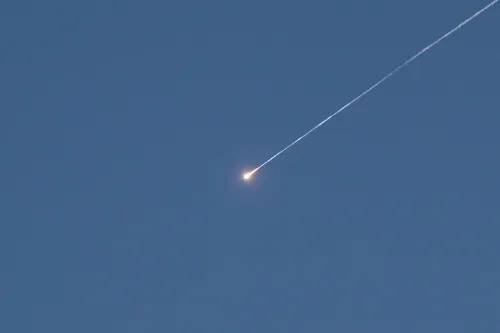
The UAE Defence Ministry reported interception of 12 ballistic missiles , 3 cruise missiles , and 4 UAVs in the Iranian strike.
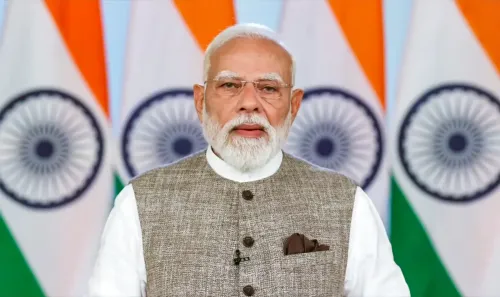
Three Indian nationals were injured in attacks in Fujairah ; PM Modi strongly condemned the strikes on 5 May .
Japan, Ireland, Austria, Saudi Arabia , and Jordan all issued formal condemnations of Iran's actions.
Austria called the strikes "unprovoked" and demanded immediate cessation; Ireland urged preservation of the Gulf ceasefire.
Saudi Arabia called for restoring freedom of maritime navigation in the Strait of Hormuz to pre- 28 February conditions.
Several countries, including Japan, Ireland, Austria, Saudi Arabia, and Jordan, on Tuesday, 5 May condemned Iran's missile and drone strikes on the United Arab Emirates (UAE), as international calls for de-escalation mounted. Three Indian nationals were among those injured in attacks in Fujairah, prompting a sharp response from Prime Minister Narendra Modi.
Scale of the Attack
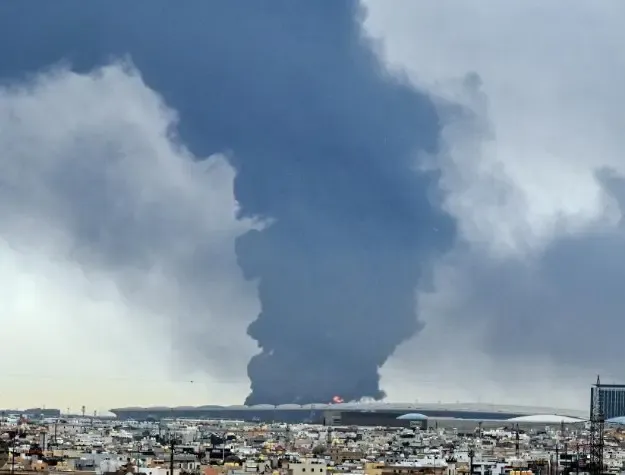
The UAE's Defence Ministry reported on Monday that its air defence systems engaged 12 ballistic missiles, three cruise missiles, and four unmanned aerial vehicles (UAVs) during the strikes. The attacks targeted civilian and infrastructure sites, drawing widespread international condemnation. Austria's Foreign Ministry described the strikes as
Point of View
Europe, and the Arab world — signals that Iran has significantly miscalculated regional and global tolerance for direct military strikes on Gulf states. What is notable is Saudi Arabia's explicit call to restore Strait of Hormuz navigation to pre-February 28 conditions, suggesting the strikes are part of a broader Iranian pressure campaign with roots weeks earlier than this episode. For India, the injury of three nationals in Fujairah elevates this beyond a diplomatic statement — it creates domestic political pressure to demonstrate both solidarity with the UAE and a credible commitment to protecting its large Gulf diaspora. The real test now is whether this multilateral condemnation translates into coordinated diplomatic pressure on Tehran, or dissipates into competing bilateral channels.
NationPress
19 Sept 2026
Frequently Asked Questions
What did Iran attack in the UAE?
Iran launched a series of strikes on the UAE involving 12 ballistic missiles, three cruise missiles, and four UAVs, according to the UAE's Defence Ministry. The attacks targeted sites including in Fujairah, where three Indian nationals were among those injured.
Which countries condemned Iran's missile strikes on the UAE?
Japan, Ireland, Austria, Saudi Arabia, and Jordan formally condemned the attacks, as did India's Prime Minister Narendra Modi. Austria described the strikes as 'unprovoked' and called for an immediate end to hostilities.
Were any Indian nationals affected by the Iran strikes on UAE?
Yes, three Indian nationals were injured in the attacks in Fujairah. Prime Minister Narendra Modi condemned the strikes and stated that targeting civilians and infrastructure is unacceptable.
Why is the Strait of Hormuz significant in this crisis?
The Strait of Hormuz is one of the world's most critical oil transit chokepoints, with approximately 20% of global oil supply passing through it. Saudi Arabia and India have both called for the restoration of free and safe navigation through the strait, flagging risks to global energy security.
What has Japan said about the Iran-UAE conflict?
Japanese Prime Minister Sanae Takaichi said she was 'deeply concerned' by the attack and stated that Japan would continue summit-level discussions with all concerned parties and mediating countries to help calm the situation through diplomatic efforts.