Misri meets UAE Minister in Abu Dhabi, reviews India-UAE strategic ties amid Iran tensions
Synopsis
Foreign Secretary Vikram Misri's Abu Dhabi visit was no routine diplomatic call — it came days after Iranian missile and drone strikes on Fujairah left three Indian nationals injured and drew a sharp condemnation from PM Modi. With India's energy security tied to Strait of Hormuz stability and its diaspora exposed to Gulf volatility, New Delhi is quietly but urgently recalibrating its regional posture.
Key Takeaways
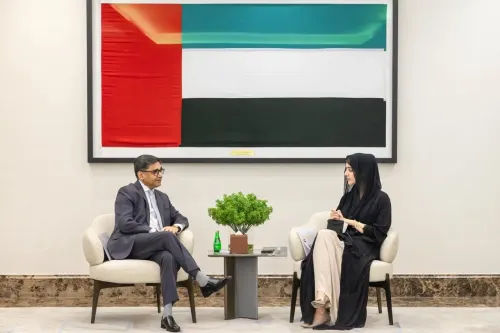
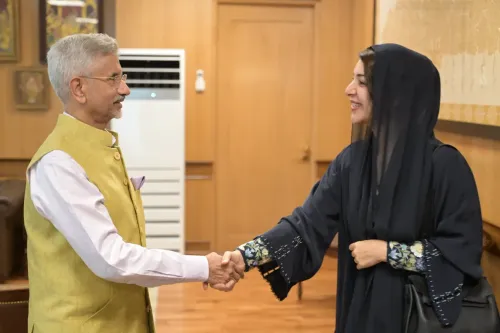
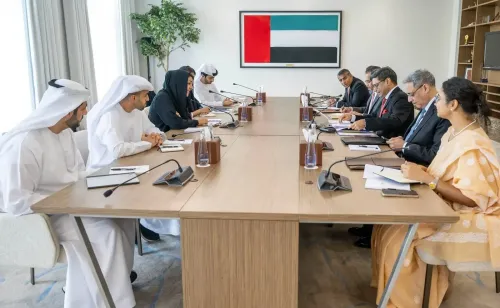
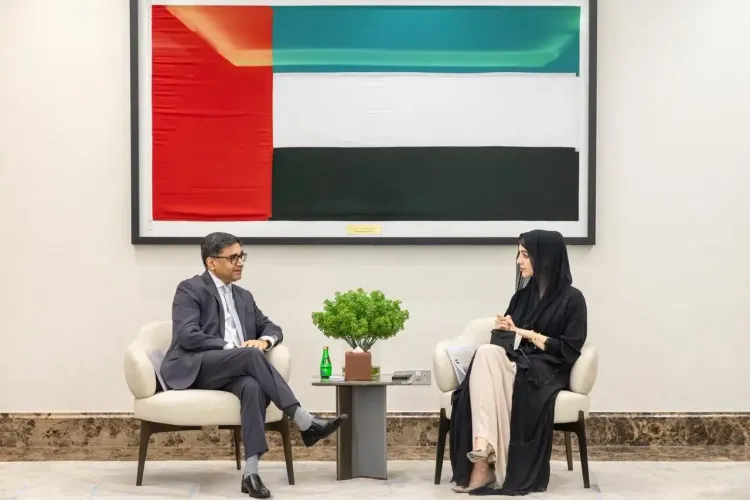
Foreign Secretary Vikram Misri met UAE Minister Reem Al Hashimy in Abu Dhabi on 7 May 2025 to review the India-UAE Comprehensive Strategic Partnership.
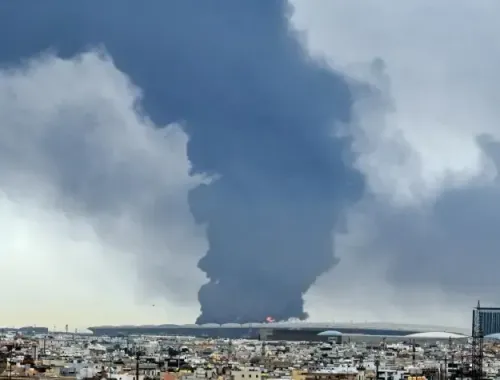
Three Indian nationals were injured in Iranian missile and drone strikes on Fujairah on Monday.
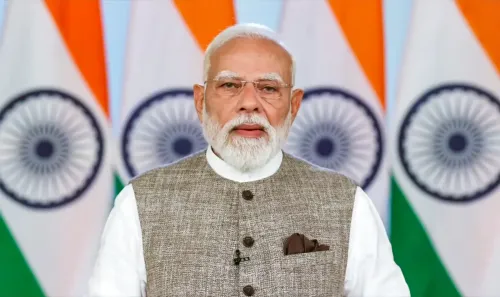
PM Modi condemned the attacks on X on Tuesday , calling targeting of civilians and infrastructure "unacceptable" and stressing the importance of Strait of Hormuz navigation.
The UAE held Iran responsible, describing the strikes as "renewed unprovoked Iranian aggression" and a violation of international law.
The Indian Embassy in the UAE confirmed it was coordinating with local authorities for the welfare of injured Indian nationals.
Foreign Secretary Vikram Misri on Thursday, 7 May 2025, called on Reem Al Hashimy, the UAE's Minister of State for International Cooperation, in Abu Dhabi, with both sides conducting a comprehensive review of the India-UAE Comprehensive Strategic Partnership. The high-level meeting took place against the backdrop of heightened regional tensions following Iranian missile and drone strikes on Fujairah that left three Indian nationals injured.
What Was Discussed
According to a statement by the Ministry of External Affairs (MEA), the two sides "reviewed the full spectrum of the India-UAE Comprehensive Strategic Partnership and identified areas for further cooperation." They also discussed "the ongoing regional situation and global issues of mutual interest," the MEA noted. The meeting signals New Delhi's intent to keep diplomatic channels active with Abu Dhabi at a moment of acute regional stress.
India's Response to the Fujairah Attacks
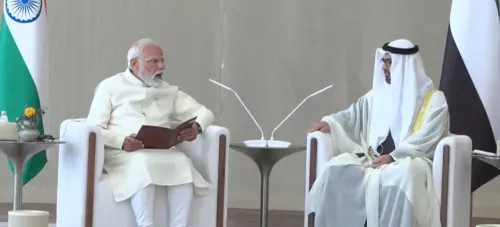
Earlier this week, Prime Minister Narendra Modi condemned the attacks on Fujairah that resulted in injuries to three Indian nationals. "Strongly condemn the attacks on the UAE that resulted in injuries to three Indian nationals. Targeting civilians and infrastructure is unacceptable," Modi posted on X on Tuesday. He added that India "stands in firm solidarity with the UAE" and reiterated support for "the peaceful resolution of all issues through dialogue and diplomacy." Modi also stressed that "ensuring safe and unimpeded navigation through the Strait of Hormuz is vital for enduring regional peace, stability and global energy security."
The Fujairah Incident and Iran's Role
The attacks on Fujairah occurred on Monday, with the UAE holding Iran responsible for the missile and drone strikes on civilian sites and facilities. The UAE's Ministry of Foreign Affairs condemned what it described as "renewed unprovoked Iranian aggression," calling the strikes an "unacceptable act of aggression" and a "direct threat to the UAE's security, stability and territorial integrity." The Ministry further stated the attacks violated "the principles of international law and the Charter of the United Nations."
India's Consular Response
The Indian Embassy in the UAE confirmed on Monday that it was "in touch with local authorities for ensuring adequate medical care and welfare of the affected Indian nationals." The Embassy's prompt statement underscored New Delhi's concern for its large diaspora in the Gulf, which numbers in the millions and remains particularly concentrated in the UAE. This is the first confirmed instance of Indian nationals being injured in the current Iran-UAE confrontation.
What Comes Next
Misri's visit to Abu Dhabi is being closely watched as a barometer of how India intends to navigate its relationships with both the UAE and Iran — two partners with whom New Delhi maintains distinct but significant ties. With the Strait of Hormuz central to India's energy supply chain, any further escalation carries direct economic consequences for New Delhi. Diplomatic observers will monitor whether India moves beyond solidarity statements toward a more active mediation posture in the days ahead.
Point of View
Yet stopped short of naming Iran directly in its initial Embassy statement. Modi's mention of the Strait of Hormuz was the most strategically significant line: it signals that India views this not merely as a bilateral UAE-Iran dispute but as a threat to its own energy security. With over 3.5 million Indians in the UAE and critical oil imports routed through the Gulf, India cannot afford neutrality by default. Misri's visit suggests New Delhi is moving to ensure the India-UAE partnership remains insulated from regional turbulence — but whether India will play a more active diplomatic role between Tehran and Abu Dhabi remains the unanswered question.
NationPress
21 Sept 2026
Frequently Asked Questions
Why did Foreign Secretary Vikram Misri visit Abu Dhabi on 7 May 2025?
Misri visited Abu Dhabi to meet UAE Minister of State for International Cooperation Reem Al Hashimy and review the India-UAE Comprehensive Strategic Partnership. The visit also covered the ongoing regional situation, including the aftermath of Iranian strikes on Fujairah that injured three Indian nationals.
What happened in Fujairah that involved Indian nationals?
On Monday, Iranian missile and drone strikes targeted civilian sites in Fujairah, injuring three Indian nationals. The UAE held Iran responsible and condemned the attacks as unprovoked aggression violating international law.
What did PM Modi say about the Fujairah attacks?
PM Modi posted on X on Tuesday strongly condemning the attacks, calling the targeting of civilians and infrastructure 'unacceptable.' He expressed India's solidarity with the UAE and stressed the importance of safe navigation through the Strait of Hormuz for regional peace and global energy security.
How did India respond to the injury of its nationals in Fujairah?
The Indian Embassy in the UAE confirmed it was in contact with local authorities to ensure adequate medical care and welfare for the three injured Indian nationals. The Embassy issued a statement on the day of the attack.
What is the India-UAE Comprehensive Strategic Partnership?
The India-UAE Comprehensive Strategic Partnership is a broad bilateral framework covering trade, investment, defence, energy, and people-to-people ties. It was elevated to a comprehensive strategic partnership in 2017 and has deepened significantly under PM Modi's engagement with UAE leadership.