Iran readies 'extensive' strike plan targeting Israeli, US energy infrastructure
Synopsis
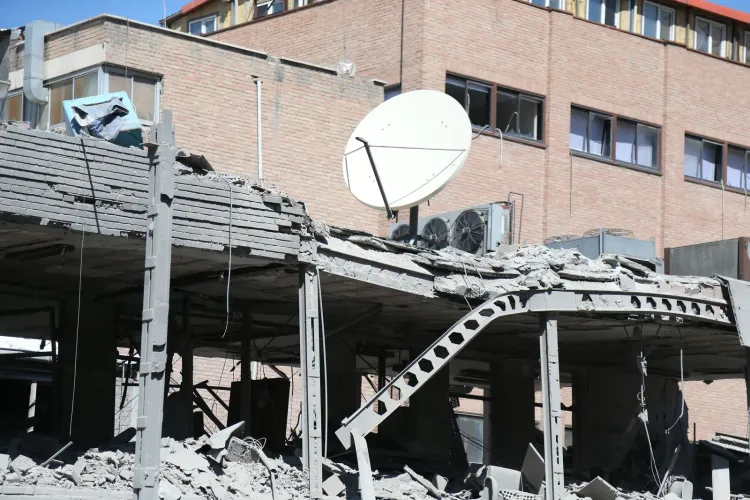
Iran has drawn up an 'extensive' counter-strike blueprint targeting Israeli and US energy infrastructure across West Asia, as reports of imminent US-Israeli strikes on Iranian soil circulate. With the Strait of Hormuz explicitly back on the table and Britain put on notice, this is the sharpest escalation signal from Tehran since the February attacks that killed Supreme Leader Khamenei.
Key Takeaways
Iran has prepared an ‘extensive’ plan to target Israeli infrastructure and US energy assets in West Asia in response to potential strikes, according to a senior security official cited by Tasnim .
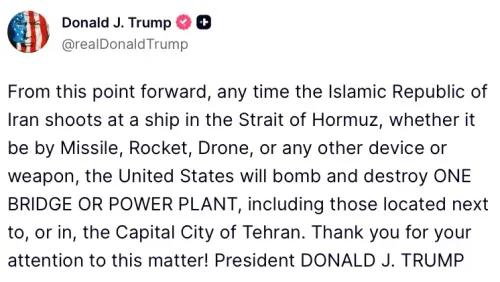
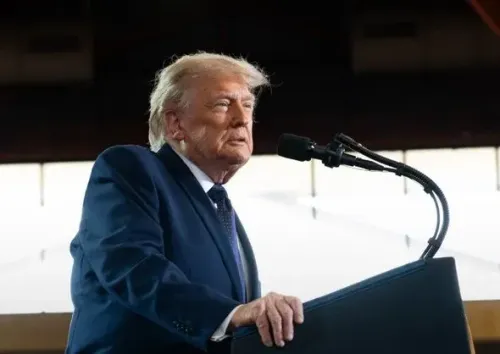
The Wall Street Journal and CBS News reported on Friday that President Donald Trump has ordered the military to prepare fresh attacks on Iran, potentially beginning as early as this weekend.
Mohammad Baqer Zolqadr , Secretary of Iran’s Supreme National Security Council, warned that continued US pressure would ‘tighten the lock on the Strait of Hormuz ’ and could lead to closure of other straits.
Iranian Foreign Minister Seyed Abbas Araghchi warned Britain in a call with Foreign Secretary Ed Miliband that any military cooperation with the US against Iran would be ‘unacceptable.’ Iran alleges the US failed to honour a June 2025 memorandum of understanding aimed at ending the conflict, after joint US-Israeli strikes on 28 February killed then-Supreme Leader Ali Khamenei .
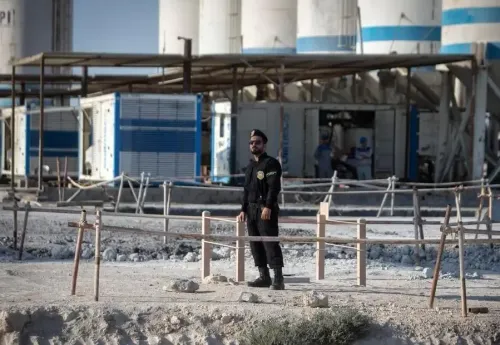
Iran has prepared an ‘extensive’ contingency plan to respond to potential attacks on its infrastructure, the country’s semi-official Tasnim news agency reported on Saturday, 2 August 2025. The plan, cited by a senior Iranian security official, involves targeting vital Israeli infrastructure and US energy assets across the West Asia region, should strikes materialise.
What Triggered the Alert
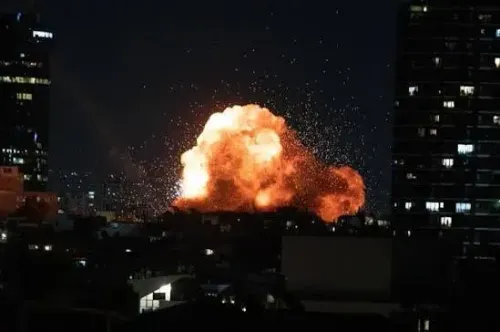
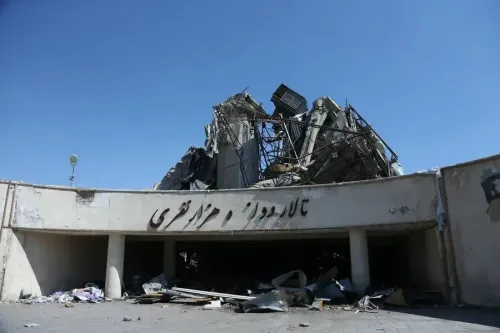
The contingency plan comes in direct response to recent US media reports suggesting imminent military action against Tehran. The Wall Street Journal reported on Friday, citing US officials, that President Donald Trump ‘has ordered the military to launch a fresh attack on Iran that could begin as soon as this weekend and last a few days.’ Separately, CBS News reported that the United States and Israel are jointly preparing for intense strikes against Iranian energy infrastructure, potentially beginning over the weekend.
Iran’s Hormuz Warning
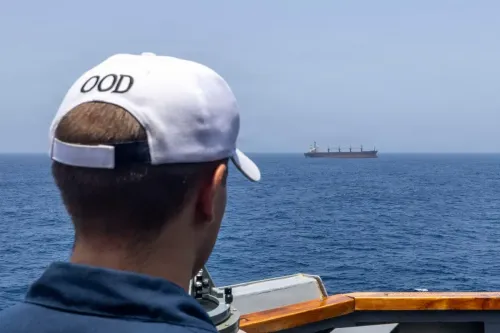
Secretary of Iran’s Supreme National Security Council, Mohammad Baqer Zolqadr, issued a stark warning early Saturday, stating that continued US naval blockade and ‘warmongering’ against Iran would ‘further tighten the lock on the Strait of Hormuz’ and lead to the closure of other straits. He added that the global economy, energy markets, and American consumers would ultimately ‘pay the price.’ The Strait of Hormuz is a critical chokepoint through which roughly 20% of global oil trade passes.
Iran Warns Britain Against Joining Strikes
Iranian Foreign Minister Seyed Abbas Araghchi warned Britain against any military cooperation with the United States in a phone call with British Foreign Secretary Ed Miliband late Friday. Araghchi described any such cooperation — including under the pretext of existing defence agreements — as ‘unacceptable,’ according to a statement issued by the Iranian Foreign Ministry. He cited international law and the Convention for the Definition of Aggression, arguing that allowing a country’s territory or facilities to be used for illegal attacks constitutes an act of aggression and grants the attacked state the right to self-defence.
Araghchi also criticised London’s recent designation of Iran’s Islamic Revolution Guard Corps (IRGC) as a national security threat, and what he described as Britain’s ‘complicity’ in two wars imposed against Iran in recent months. He called on Britain to reconsider its stance toward Tehran.
For his part, Miliband maintained that Britain was not involved in the war against Iran and that diplomacy remained the preferred path to resolving disputes. Notably, British Prime Minister Andy Burnham last month approved the continued US use of British military bases for Iran-related operations, continuing a policy set by his predecessor.
Background: The Conflict So Far
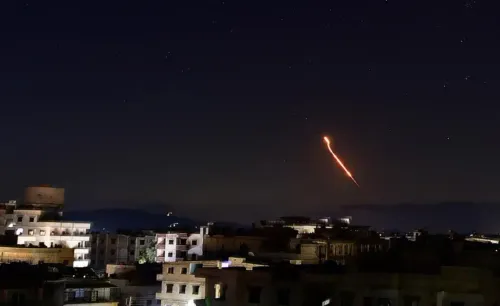
On 28 February, the United States and Israel launched joint attacks on Tehran and other Iranian cities, killing Iran’s then-Supreme Leader Ali Khamenei, senior military commanders, and civilians, according to reports. Iran subsequently responded with waves of missile and drone strikes on US and Israeli bases and assets across the region, while tightening its grip on the Strait of Hormuz.
Araghchi noted that Iran had entered a diplomatic process with Washington in good faith and signed a memorandum of understanding with the US in June aimed at ending the conflict, but alleged that Washington failed to honour its commitments. Iran has also been working with Oman to establish operational mechanisms to manage shipping traffic through the Strait of Hormuz, and warned that third-party interference would complicate these efforts.
What Comes Next
With both sides signalling readiness for escalation, the coming days will be closely watched by global energy markets and regional governments. Any disruption to the Strait of Hormuz would have immediate consequences for oil supply chains worldwide. Diplomatic back-channels, including the Oman mechanism, remain the last active line of de-escalation.
Point of View
Not just contingency planning. The explicit naming of US energy infrastructure in West Asia raises the stakes beyond a bilateral Iran-Israel exchange and implicates Gulf allies hosting American bases. Britain’s position is particularly fraught: Burnham approved continued US use of UK bases even as his foreign secretary was receiving Iranian warnings, a contradiction that London has not publicly resolved. The Strait of Hormuz threat, invoked again, is Iran’s most powerful leverage — but using it would also devastate Iran’s own regional trade partners, which is why it has historically remained a warning rather than an action.
NationPress
15 Sept 2026
Frequently Asked Questions
What is Iran’s 'extensive' strike plan?
Iran has prepared a contingency plan to target vital Israeli infrastructure and US energy assets in the West Asia region in the event of attacks on Iranian soil, according to a senior security official cited by the semi-official Tasnim news agency on Saturday. The plan was drawn up in response to US media reports claiming the US and Israel are preparing imminent strikes on Iranian infrastructure.
What did the US media report about potential strikes on Iran?
The Wall Street Journal reported on Friday, citing US officials, that President Donald Trump has ordered the military to prepare a fresh attack on Iran that could begin as soon as the weekend and last a few days. CBS News separately reported that the US and Israel are jointly preparing intense strikes on Iranian energy infrastructure.
Why is the Strait of Hormuz significant in this crisis?
The Strait of Hormuz is a critical global oil chokepoint through which roughly 20% of world oil trade passes. Iran’s Supreme National Security Council Secretary Mohammad Baqer Zolqadr warned on Saturday that continued US pressure would 'tighten the lock' on the strait and could lead to closures of other straits, threatening global energy markets.
What did Iran warn Britain about?
Iranian Foreign Minister Seyed Abbas Araghchi warned British Foreign Secretary Ed Miliband in a late Friday phone call that any British military cooperation with the US in strikes against Iran would be 'unacceptable.' He argued that under international law, allowing territory or facilities to be used for illegal attacks constitutes an act of aggression.
What happened on 28 February that escalated this conflict?
On 28 February, the United States and Israel launched joint attacks on Tehran and other Iranian cities, killing Iran’s then-Supreme Leader Ali Khamenei, senior military commanders, and civilians, according to reports. Iran responded with missile and drone strikes on US and Israeli assets across the region and tightened control over the Strait of Hormuz.