US Embassy in Riyadh Targeted by Iranian Drone Strike
Synopsis
In a dramatic escalation of tensions, two Iranian drones struck the US Embassy in Riyadh, causing significant damage but no casualties. This attack comes amidst ongoing hostilities triggered by earlier strikes against Iran. Learn more about the implications of this incident and the broader regional conflict.
Key Takeaways
Two Iranian drones attacked the US Embassy in Riyadh.
The strike resulted in material damage but no injuries.
US President Donald Trump warned of impending retaliation.
The Embassy issued a shelter-in-place advisory for citizens.
The attack is part of a broader escalation of hostilities in the Middle East .
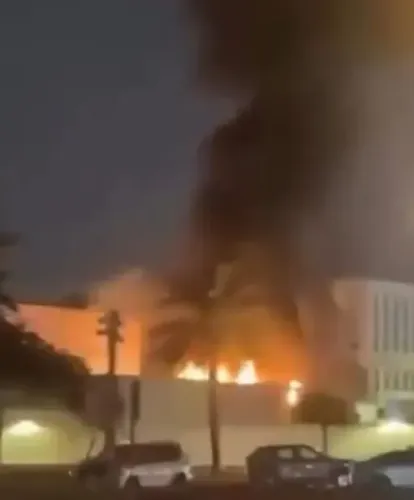
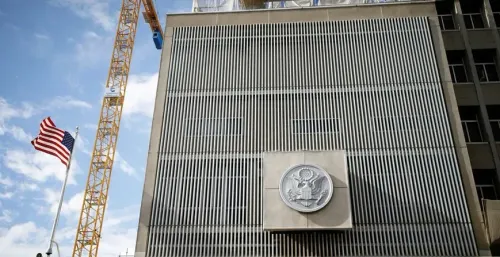
Riyadh, March 3 (NationPress) – The US Embassy located in Riyadh came under attack from two Iranian drones, igniting a fire that led to significant material damage, according to a statement released by the Saudi Arabia defence ministry early Tuesday. This incident marks the fourth day of escalating tensions in the Middle East.
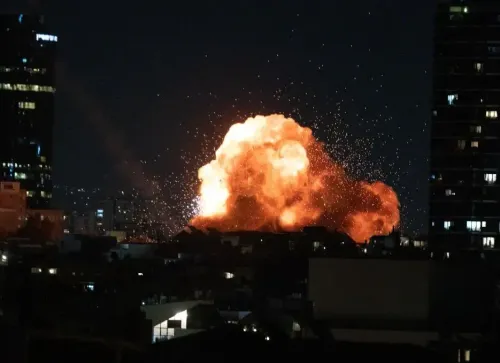
The drone strike occurred as hostilities escalated, following a series of strikes by US and Israeli forces targeting Iran, which in turn prompted retaliatory actions against American and Israeli military assets in the Gulf region.
In response, US President Donald Trump issued a stern warning to Tehran, stating, "You'll soon discover what the consequences will be."
The Saudi defence ministry revealed on X that the embassy was struck late Monday night, resulting in a fire. Fortunately, there were no casualties reported, as the embassy was unoccupied at the time of the attack.
In the aftermath of the assault, the US Embassy advised citizens in Riyadh, Jeddah, and Dhahran to shelter in place. It also restricted non-essential travel to military sites in the area, urging American nationals to find immediate shelter.
The statement from the embassy read, "The US Mission to Saudi Arabia is actively monitoring the situation in the region. We recommend all travelers to check our latest Security Alerts, reassess their travel plans due to potential disruptions, and make informed decisions to ensure their safety and that of their families."
Furthermore, citizens were advised to establish a personal safety plan, as crises can arise unexpectedly while abroad. A solid plan allows for thoughtful consideration of possible scenarios and pre-planned responses.
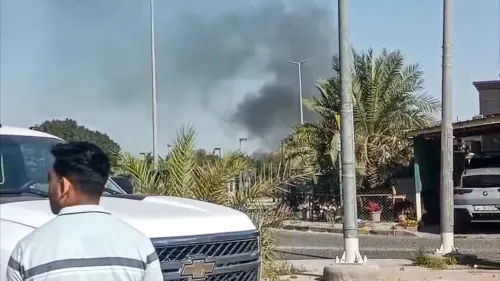
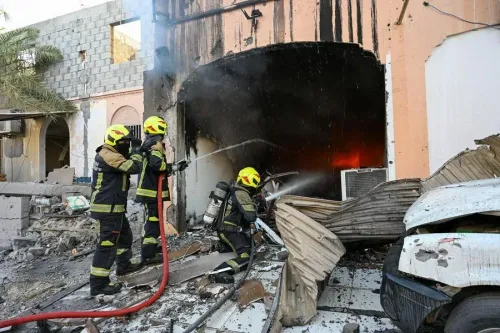
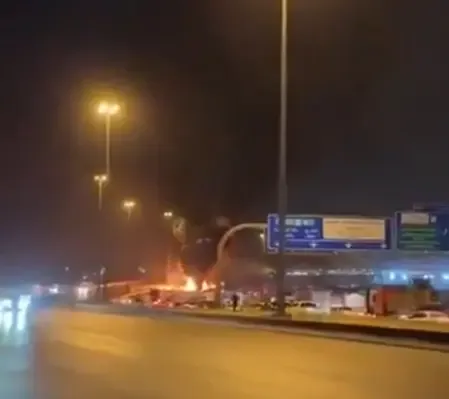
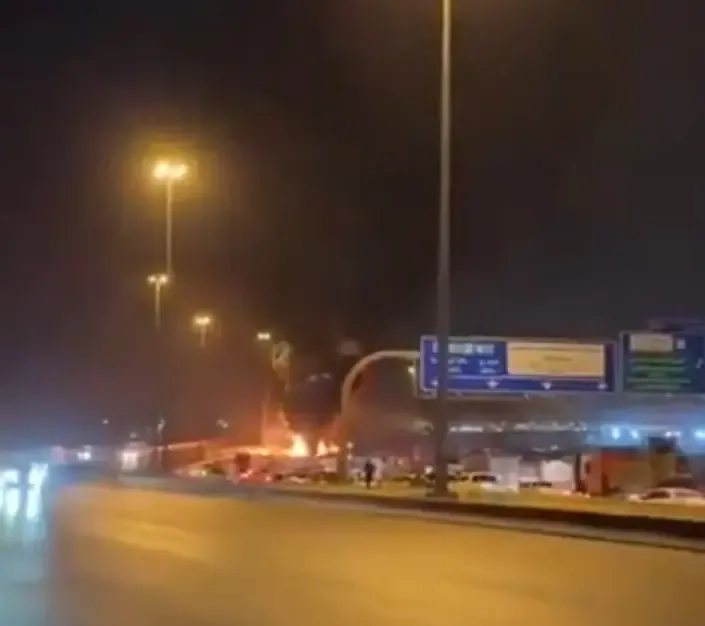
A video circulating on social media depicted a large fire and dense smoke billowing from the embassy compound, with fire crews quickly responding to control the situation.
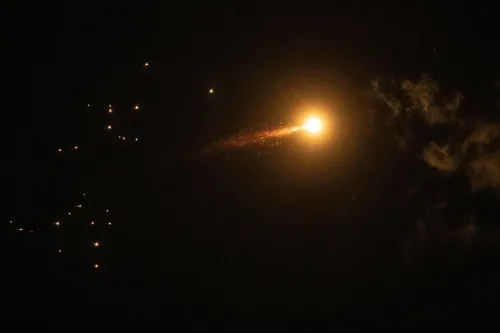
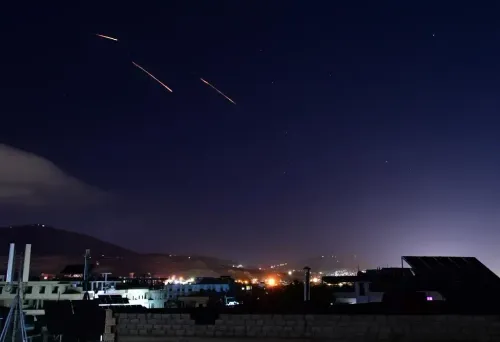
This drone strike is part of a wider pattern of Iranian missile and drone assaults aimed at Gulf nations hosting US military installations, following the onset of airstrikes by the US and Israel against Iran on February 28, which prompted Tehran's counteractions.
The ongoing back-and-forth has led to a significant increase in hostilities, now extending into its fourth day.
Iran's missile and drone launches targeting US military bases and Israeli positions across the Middle East and neighboring Arab nations came after the assassination of Iran's Supreme Leader Ayatollah Ali Khamenei in coordinated US-Israeli airstrikes.
Saudi officials have yet to clarify whether the drones were intercepted or how they were able to penetrate the capital's air defenses. The media office of the Saudi government did not provide an immediate response to inquiries.
Despite the attack, operations at King Khalid International Airport in Riyadh have continued, though numerous flights have faced delays or cancellations due to airspace restrictions in surrounding Gulf nations, a situation exacerbated by the US-Israeli strikes and subsequent Iranian retaliation.
Point of View
This incident highlights the increasing volatility in the Middle East, particularly between Iran and US interests. The drone strike on the US Embassy underscores the potential for further escalation and the urgent need for diplomatic dialogue to prevent further conflict.
NationPress
27 Sept 2026
Frequently Asked Questions
What happened at the US Embassy in Riyadh?
The US Embassy was struck by two Iranian drones, leading to a fire and material damage, but fortunately, no injuries were reported.
What prompted the drone attack?
The attack followed US and Israeli strikes on Iran, which prompted Tehran's retaliatory actions against US military assets in the Gulf.
What is the US response to the attack?
US President Donald Trump issued a warning to Iran, emphasizing that there will be consequences for the attack.
Are there any travel restrictions for US citizens in Saudi Arabia?
Yes, the US Embassy has advised American citizens in Riyadh, Jeddah, and Dhahran to shelter in place and has restricted non-essential travel to military installations.
What is the current situation at King Khalid International Airport?
The airport remains operational, although many flights have been delayed or canceled due to airspace closures in neighboring Gulf nations.