MEA monitors West Asia crisis, focuses on safety of Indians in Gulf region
Synopsis
With Iran-US ceasefire talks collapsed after 21 hours and regional airspace in flux, India's MEA has activated round-the-clock helplines, a dedicated control room, and embassy-led evacuations — already moving 2,504 Indians out of Iran via land and water routes. The scale of the operation underscores just how exposed India's 9-million-strong Gulf diaspora is to West Asia's deepening instability.
Key Takeaways
MEA confirmed on 4 May it is closely monitoring West Asia and Gulf developments, with a dedicated special control room operational.
Indian embassies and consulates are running round-the-clock helplines across the region.
The Indian Embassy in Tehran has facilitated the departure of 2,504 Indian nationals from Iran via land and water routes.
Indian nationals have been advised to avoid travelling to Iran ; those present are urged to leave with embassy support.
Flight operations are improving across UAE, Saudi Arabia, Oman, Kuwait, Bahrain , and Qatar , with multiple Indian carriers operating services.
Iran-US ceasefire talks reportedly collapsed after 21 hours of negotiations, heightening regional uncertainty.
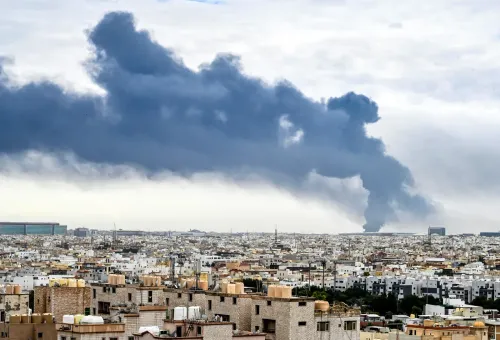
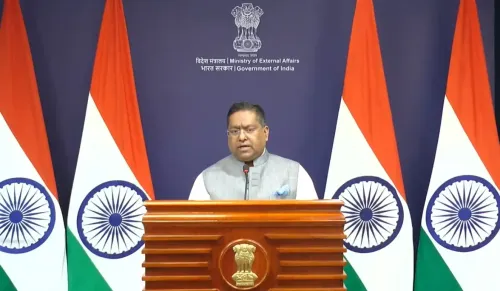
India's Ministry of External Affairs (MEA) on Monday, 4 May said it is closely monitoring developments in West Asia and the Gulf region, with all efforts focused on ensuring the safety and welfare of the large Indian community residing there. The statement came during an inter-ministerial briefing on recent developments in the region.
What the MEA Said
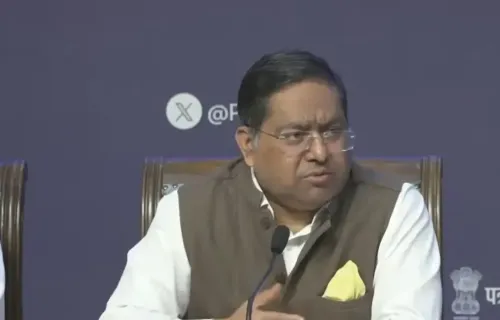
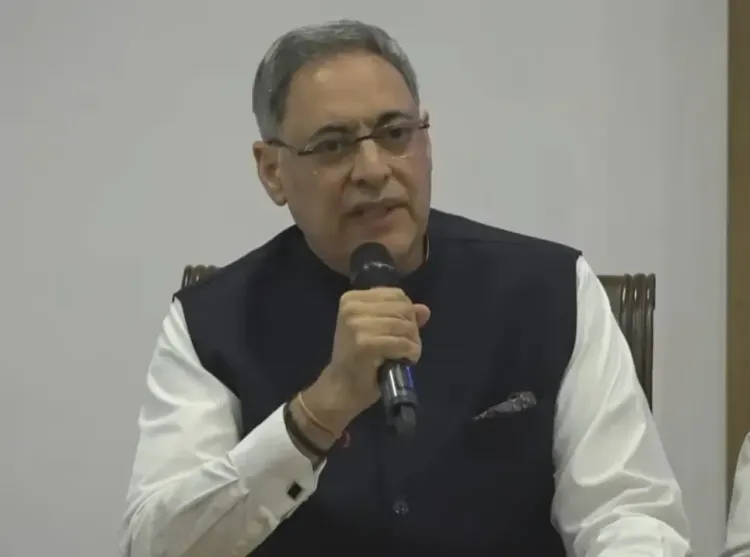
Aseem R Mahajan, Additional Secretary (Gulf), MEA, addressed the briefing and outlined the measures being undertaken. "Ministry of External Affairs continues to closely monitor the developments in the Gulf and West Asia region. Our efforts are focused on ensuring the safety and welfare of the Indian community in the region," he stated.
Mahajan confirmed that a dedicated special control room within the ministry is operational to respond to queries from Indian nationals and their families. Indian embassies and consulates across the region are running round-the-clock helplines to provide timely assistance. The MEA is also in constant coordination with state governments and union territories to share information and align response efforts.
Flight Situation Across Gulf Countries
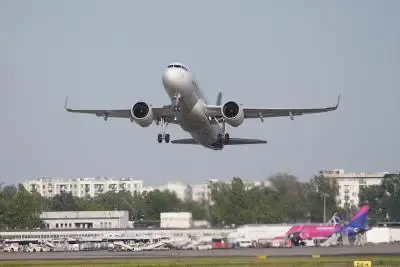
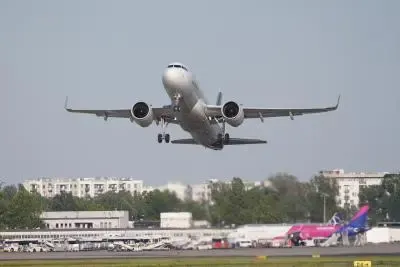
According to Mahajan, the flight situation in the Gulf is steadily improving, with additional flights now operating from multiple destinations to India. He provided a country-by-country update:
UAE airspace is open, with Indian and UAE carriers operating flights to various Indian destinations. Saudi Arabia and Oman airports are also seeing regular flights to India. Qatar airspace is partially open, with Air India, Air India Express, IndiGo, and Qatar Airways operating services. Kuwait airspace is open, with Jazeera Airways and Kuwait Airways running flights. Bahrain airspace is open, served by Air India Express, IndiGo, and Gulf Air. Iraq airspace is open with limited operations available for onward travel to India.
Iran Advisory and Evacuation Efforts
The MEA has advised Indian nationals to avoid travelling to Iran and urged those already present in the country to leave with the support of the Indian Embassy in Tehran. Iran's airspace remains only partially open for cargo and chartered flights.
Notably, the Indian Embassy in Tehran has so far facilitated the movement of 2,504 Indian nationals out of Iran through land and water routes, according to Mahajan. The Israel airspace is open with limited flight operations resuming to regional destinations, which can be used for onward travel to India.
Seafarers and Community Outreach
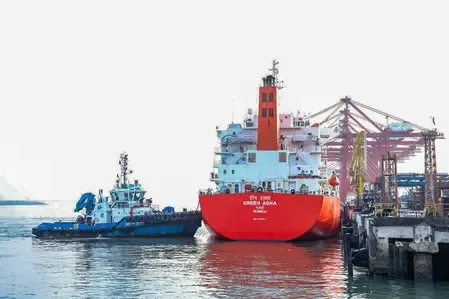
Mahajan highlighted that the welfare of Indian seafarers in the region is a high priority. Indian missions are extending all possible assistance, including coordination with local authorities, providing consular support, and facilitating requests to return to India.
Missions are also actively engaging with Indian community associations, organisations, professional groups, and Indian companies to address concerns on the ground. Updated advisories covering local government guidelines, flight and travel situations, consular services, and welfare measures are being issued regularly.
Background: Iran-US Ceasefire Talks Collapse
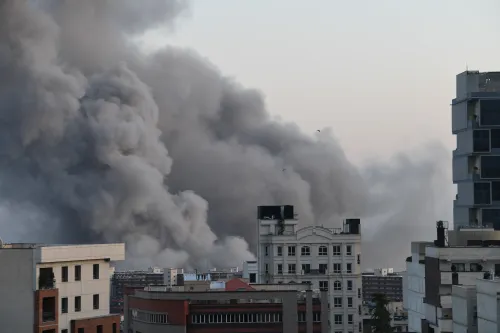
The heightened vigilance comes against the backdrop of escalating tensions in the region. Iran and the United States had reached a two-week ceasefire starting 8 April, followed by the first round of direct talks on 11–12 April aimed at ending the conflict. However, those negotiations reportedly collapsed after 21 hours, leaving the situation uncertain and prompting India to maintain its elevated advisory posture.
With over 9 million Indians residing across Gulf and West Asia nations, the MEA's round-the-clock monitoring and diplomatic outreach will remain critical as the regional situation continues to evolve.
Point of View
But the real stress test will come if hostilities escalate beyond Iran's borders into Gulf shipping lanes, which underpin both Indian remittances and energy imports. The 2,504 evacuees from Iran are a data point, not a resolution — and the absence of a publicly stated contingency plan for a wider regional escalation is a gap worth watching.
NationPress
26 Sept 2026
Frequently Asked Questions
What is the MEA doing to protect Indians in West Asia?
The MEA has activated a dedicated special control room, round-the-clock embassy helplines, and is coordinating with state governments and union territories to ensure the safety of Indians in West Asia and the Gulf region. Indian missions are also engaging directly with community associations and professional groups on the ground.
How many Indians have been evacuated from Iran?
The Indian Embassy in Tehran has facilitated the movement of 2,504 Indian nationals out of Iran through land and water routes, as confirmed by Additional Secretary Aseem R Mahajan on 4 May 2025.
Is it safe to travel to Iran right now?
No. The MEA has advised Indian nationals to avoid travelling to Iran and has urged those already present in the country to leave with the support of the Indian Embassy in Tehran. Iran's airspace remains only partially open for cargo and chartered flights.
Which Gulf countries have open airspace for flights to India?
As of 4 May, UAE, Kuwait, Bahrain, Saudi Arabia, and Oman have open airspace with regular flights operating to India. Qatar airspace is partially open, with Air India, Air India Express, IndiGo, and Qatar Airways operating services. Iraq has limited operations available for onward travel.
Why is India on high alert in West Asia?
Iran-US ceasefire talks, which began after a two-week truce from 8 April, collapsed after 21 hours of negotiations on 11–12 April, leaving the regional situation highly uncertain. With over 9 million Indians living across Gulf and West Asia nations, India has maintained elevated diplomatic vigilance.