Iran Airspace Partly Open: 110+ Gulf Flights to India Sunday
Synopsis
Iran's airspace has partially reopened for cargo and charter flights, but MEA urges Indians to exit via land borders. With 2,445 already evacuated and nearly 13 lakh passengers having flown home from the Gulf since February 28, India's evacuation machinery is operating at full scale amid ongoing regional tensions.
Key Takeaways
Iran's airspace is partially open only for cargo and chartered flights ; commercial passenger travel remains inadvisable as per MEA advisory dated April 26, 2025 .
The Indian Embassy in Tehran has evacuated 2,445 Indian nationals from Iran via land border routes.
Approximately 110 UAE-India flights are expected to operate on Sunday, April 26 , with airlines including Qatar Airways, Gulf Air, Kuwait Airways, and Jazeera Airways resuming limited services.
Since February 28, 2025 , nearly 12,96,000 passengers have flown from the Gulf region to India amid the ongoing crisis.
Indian missions across the Middle East are running 24/7 helplines and issuing regular travel and safety advisories for the Indian diaspora.
The Indian government has prioritised the welfare of Indian seafarers aboard vessels in the region, with missions coordinating directly with local maritime authorities.
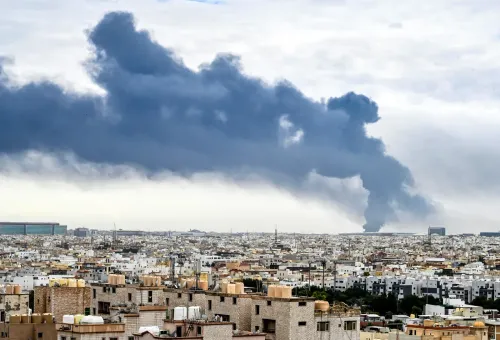
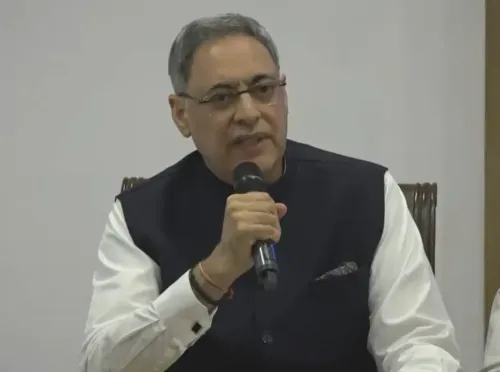
New Delhi, April 26: Iran's airspace has been partially reopened for cargo and chartered flights, but the Ministry of External Affairs (MEA) has strongly advised Indian nationals to refrain from travelling to the country. Those already present in Iran have been urged to exit through land border routes with full support from the Indian Embassy in Tehran, the MEA announced on Sunday, April 26.
Iran Evacuation and Airspace Status
As of the latest update, the Indian Embassy in Tehran has successfully facilitated the departure of 2,445 Indian nationals from Iran via land border crossings. This coordinated evacuation effort reflects the government's escalating concern over the safety of its citizens amid ongoing regional tensions.
Despite the partial reopening of Iran's airspace, the MEA's advisory remains firm — civilian air travel to Iran is strongly discouraged. The partial access is limited strictly to cargo and charter operations, not commercial passenger services.
Flight Operations Across Gulf Nations
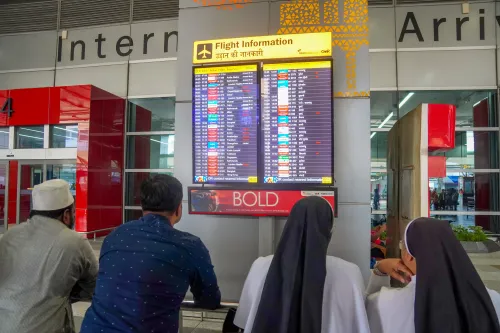
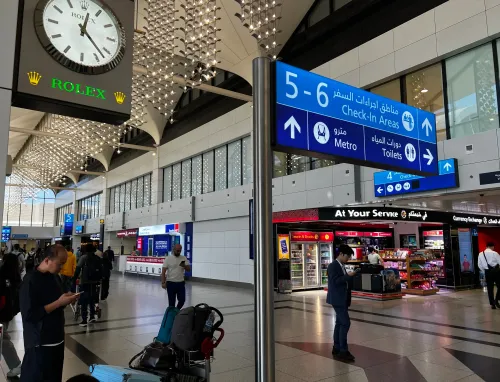
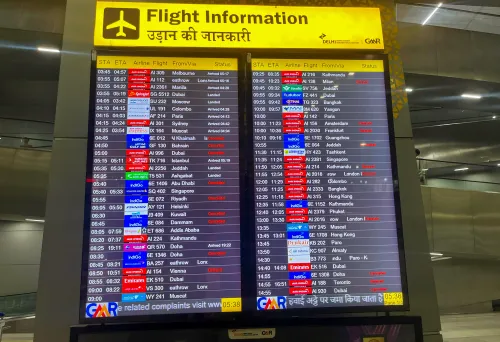
In the United Arab Emirates (UAE), airlines are maintaining limited commercial flight operations to India based on prevailing safety and operational assessments. Approximately 110 flights are expected to operate between the UAE and India on Sunday alone, offering significant relief to stranded passengers.
Saudi Arabia and Oman continue to operate flights from multiple airports to various Indian destinations. Qatar's airspace has been partially restored, with Qatar Airways resuming services to several cities across India.
Kuwait's airspace is fully open, with both Jazeera Airways and Kuwait Airways having resumed limited flight operations to India. Bahrain's airspace is also open, with Gulf Air operating flights from Manama to multiple Indian destinations.
Israel's airspace is currently open, and limited flight operations have resumed to regional destinations, which can serve as transit points for onward travel to India. Similarly, Iraq's airspace is open with limited regional connectivity that can be utilised for connections back to India.
Indian Seafarers and Community Welfare
The Indian government has accorded high priority to the welfare of Indian seafarers operating vessels in the region. Indian missions are actively coordinating with local authorities, providing consular assistance, and facilitating repatriation requests for crew members.
Indian missions across the Gulf are also maintaining close engagement with the broader Indian diaspora, including community associations, professional groups, Indian-owned businesses, and other stakeholder organisations to ensure timely dissemination of safety information.
Scale of the Evacuation and Travel Movement
Since February 28, approximately 12,96,000 passengers have travelled from the Gulf region to India — a staggering figure that underscores both the scale of the crisis and the logistical effort mounted by Indian authorities.
All Indian missions and consular posts in the region are operating round-the-clock helplines and are proactively assisting Indian nationals. Regular advisories are being issued covering local government directives, flight updates, travel conditions, and consular services.
Broader Implications and What to Watch
This situation comes amid a broader pattern of Middle East geopolitical instability that has periodically disrupted aviation corridors critical to India's Gulf diaspora — estimated at over 9 million people, the largest Indian community abroad. The MEA's swift response, including land-border evacuations and airline coordination, mirrors protocols developed during earlier crises such as Operation Ajay (Israel, 2023) and Operation Ganga (Ukraine, 2022), signalling an increasingly institutionalised evacuation framework.
Notably, the partial reopening of multiple Gulf airspaces suggests the immediate threat of a wider regional conflict may be stabilising, though the situation remains fluid. Indian nationals and their families should monitor MEA advisories closely as airspace access and flight schedules are subject to rapid change. Further normalisation of Gulf air corridors is expected in the coming days if the regional security situation continues to de-escalate.
Point of View
Embassy helplines, airline coordination — reflects a maturing crisis-response doctrine built on hard lessons from Ukraine and Israel. But the deeper story is structural: with over 9 million Indians dependent on Gulf economies, every Middle East flashpoint is also a domestic Indian crisis waiting to happen. The government's swift action deserves credit, yet it also exposes India's strategic vulnerability — a diaspora this large, concentrated in a region this volatile, demands not just reactive evacuation plans but proactive bilateral security frameworks. The 12.96 lakh passengers figure is not just a logistical achievement; it's a warning about how exposed Indian livelihoods remain to geopolitical forces far beyond New Delhi's control.
NationPress
28 Jul 2026
Frequently Asked Questions
Is Iran's airspace open for Indian passengers?
Iran's airspace is only partially open for cargo and chartered flights, not regular commercial passenger services. The Ministry of External Affairs has advised Indian nationals to avoid travelling to Iran and urged those already there to exit via land border routes.
How many Indians have been evacuated from Iran so far?
As of April 26, 2025, the Indian Embassy in Tehran has facilitated the departure of 2,445 Indian nationals from Iran through land border crossings. The evacuation is ongoing with full embassy support.
Are flights operating from UAE to India today?
Yes, approximately 110 flights are expected to operate between the UAE and India on Sunday, April 26, 2025. Airlines are running limited commercial services based on current safety and operational assessments.
Which Gulf airlines are currently flying to India?
Qatar Airways, Gulf Air, Kuwait Airways, and Jazeera Airways are among the carriers operating limited flights to India. Flights are also continuing from Saudi Arabia and Oman to various Indian destinations.
How many passengers have flown from the Gulf to India since the crisis began?
Since February 28, 2025, approximately 12,96,000 passengers have travelled from the Gulf region to India. This figure reflects the massive scale of travel and evacuation movement amid ongoing regional tensions.