Iran Crisis: India Evacuates 2,400 Nationals, Embassy Still Active
Synopsis
India has evacuated over 2,400 nationals from crisis-hit Iran while keeping its Embassy in Tehran fully operational. As the US extends a ceasefire unilaterally while maintaining a naval blockade, India's strategic interests including Chabahar Port and energy ties hang in the balance.
Key Takeaways
2,400+ Indian nationals have been safely evacuated from Iran as of April 25, 2025 , according to the MEA .
The Indian Embassy in Tehran remains fully operational, with the Ambassador and team continuing to assist remaining Indian citizens.
MEA Spokesperson Randhir Jaiswal called the diplomatic team's commitment commendable during an inter-ministerial briefing on West Asia .
US President Donald Trump unilaterally extended the ceasefire with Iran indefinitely on Truth Social , hours before it was set to expire.
The US Naval blockade of Iranian ports remains in place, which Iran has cited as the primary reason for refusing to return to negotiations.
India's strategic assets including Chabahar Port and energy import ties with Iran are at risk if the conflict escalates further.
New Delhi, April 25: The Ministry of External Affairs (MEA) confirmed on Friday, April 25 that the situation in Iran remains critically serious, even as a fragile ceasefire holds. India has successfully evacuated more than 2,400 Indian nationals from the conflict-affected region, with the Indian Embassy in Tehran continuing to operate and assist citizens still present in the country.
What MEA Said About the Iran Situation
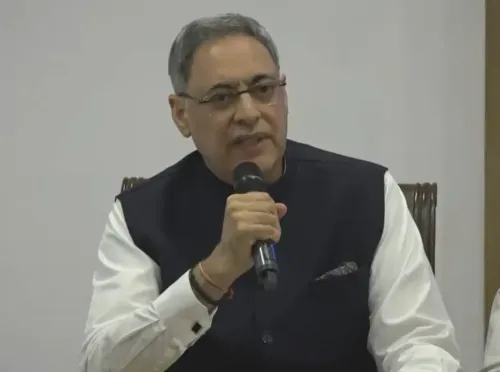
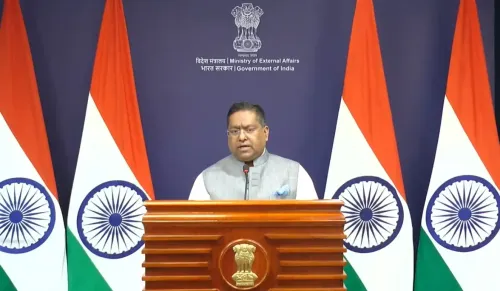
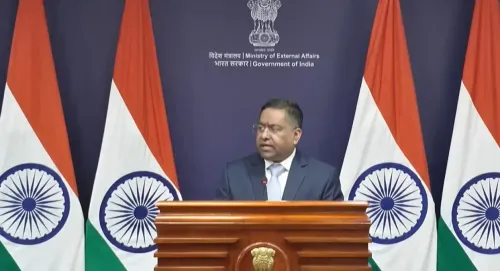
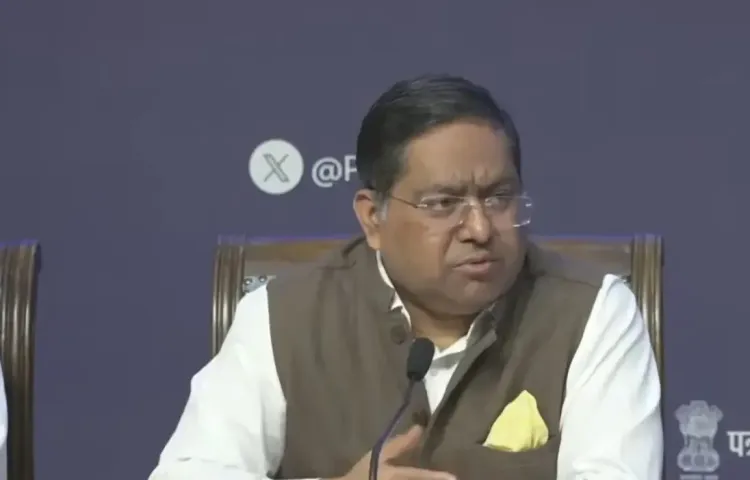
MEA Spokesperson Randhir Jaiswal made the announcement during an inter-ministerial briefing on recent developments in West Asia. He praised the relentless efforts of India's diplomatic team on the ground, calling their commitment commendable and inspiring.
"In Iran and that region, the situation has remained serious. Although, there is a ceasefire for now. Despite this, our Ambassador continues to work in the Embassy in Tehran. They are providing assistance to the people. Through their efforts, we have safely evacuated 2,400 Indian citizens from there and brought them home," Jaiswal stated.
The spokesperson emphasized that the Indian Ambassador and the entire diplomatic team are continuously working in the interest of the country under extremely challenging conditions, a rare public acknowledgment of frontline diplomatic service during an active conflict zone operation.
Ceasefire Extended Unilaterally by Trump
The ceasefire currently holding in the region was extended unilaterally by US President Donald Trump earlier this week, just hours before it was set to expire. The extension came despite Tehran refusing to attend a second round of negotiations that Trump had publicly declared were imminent.
Posting on Truth Social, Trump stated that because Iran is seriously fractured, he was extending the ceasefire indefinitely to allow Tehran time to form a unified position before returning to the negotiating table.
Critically, Trump confirmed he is maintaining the Naval blockade of Iranian ports even during the ceasefire period, a move that Iran has called a red line. Iran's state-owned Press TV reported that Tehran unequivocally insisted on the removal of the blockade and declared it would not rejoin negotiations under pressure.
Why the Naval Blockade Is the Central Flashpoint
The continued US Naval blockade of Iranian ports is now the single biggest obstacle to any diplomatic resolution. Iran's economy, already battered by decades of sanctions, depends heavily on port-based trade. A blockade effectively strangles oil exports and import of essential goods, making it a maximum-pressure tool that Tehran views as an act of economic warfare.
Analysts note that Trump's dual move of extending the ceasefire while maintaining the blockade is a classic coercive diplomacy tactic designed to force Iran back to talks on Washington's terms. However, Iran's domestic political dynamics make capitulation under such visible pressure extremely difficult for its leadership.
Impact on Indian Nationals and Diaspora
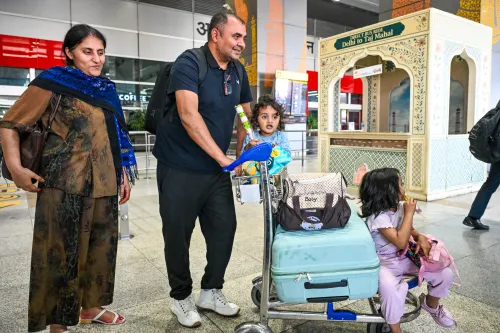
India has a significant presence in Iran, including workers, students, pilgrims, and business professionals. The evacuation of over 2,400 citizens represents one of the larger emergency repatriation operations India has conducted in recent years in the Middle East.
Those who remain in Iran, whose exact number has not been officially disclosed, are being assisted by the Indian Embassy in Tehran, which has remained operational throughout the crisis. This stands in contrast to several Western embassies that temporarily suspended operations or relocated staff during peak hostilities.
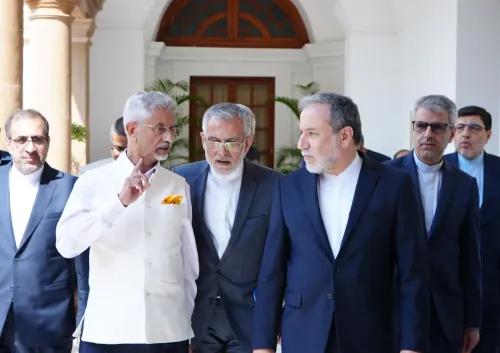
India's decision to keep its Embassy functional reflects New Delhi's long-standing policy of maintaining diplomatic channels with all parties in a conflict, a strategic posture that has historically allowed India to act as a bridge and protect its citizens more effectively.
Broader Strategic Context for India
India's relationship with Iran is multi-layered. Chabahar Port, a critical infrastructure project that India has invested in as a trade corridor to Afghanistan and Central Asia, sits directly in the crosshairs of any escalation. Any disruption to Iranian stability directly threatens India's connectivity ambitions in the region.
Additionally, India imports a portion of its crude oil from Iran and has historically navigated US sanctions to maintain energy ties. The current crisis, if it deepens, could force New Delhi to recalibrate its energy import strategy yet again, a challenge it last faced during the peak of US-Iran sanctions in 2019.
As the ceasefire holds tentatively and diplomatic back-channels remain active, India's priority will be completing the evacuation of remaining nationals while preserving its strategic and economic interests in the region. The coming weeks will be decisive in determining whether the ceasefire leads to a lasting settlement or a renewed escalation.
Point of View
An energy partner, and a civilizational relationship spanning millennia. While Trump plays maximum-pressure poker with Tehran, India is quietly positioning itself as the one major power with credibility on both sides, a role that could yield significant diplomatic dividends when the dust settles. The real story here is not just the 2,400 evacuees but India's refusal to abandon its strategic depth in the region.
NationPress
23 Sept 2026
Frequently Asked Questions
How many Indian nationals have been evacuated from Iran in 2025?
More than 2,400 Indian nationals have been safely evacuated from Iran as of April 25, 2025, according to MEA Spokesperson Randhir Jaiswal. The Indian Embassy in Tehran continues to assist those still remaining in the country.
Is the Indian Embassy in Tehran still open during the Iran crisis?
Yes, the Indian Embassy in Tehran remains fully operational despite the ongoing crisis in Iran. The Indian Ambassador and the diplomatic team are actively providing assistance to Indian nationals still present in the country.
Why did Trump extend the ceasefire with Iran?
US President Donald Trump unilaterally extended the ceasefire with Iran indefinitely, citing that Iran is seriously fractured and needs time to form a unified position. He announced the extension on Truth Social just hours before the previous ceasefire was set to expire.
Why is Iran refusing to return to negotiations with the US?
Iran has refused to rejoin talks primarily because the US Naval blockade of Iranian ports remains in place. State-owned Press TV reported that Tehran insists on the removal of the blockade and will not rejoin negotiations under pressure.
How does the Iran crisis affect India's strategic interests?
India's strategic interests in Iran include the Chabahar Port connectivity project, energy imports, and trade routes to Central Asia. A prolonged conflict or escalation could disrupt these interests and force India to recalibrate its regional economic and diplomatic strategy.