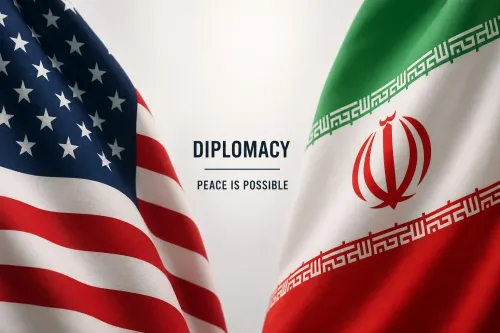
Egypt, Qatar urge US and Iran to show restraint amid Hormuz clashes
Synopsis
As US destroyers and Iranian forces exchange fire in the Strait of Hormuz — with both sides offering starkly contradictory damage assessments — Egypt and Qatar are calling for 'responsibility and wisdom'. With a ceasefire already broken and Pakistan-hosted talks having failed, the diplomatic window is narrowing fast.
Key Takeaways
Egyptian FM Badr Abdelatty and Qatari PM Sheikh Mohammed bin Abdulrahman Al-Thani urged the US and Iran to exercise "responsibility" and "wisdom" on 10 May 2025 .
A ceasefire reached on 8 April followed joint US-Israel attacks on Iran that began on 28 February .
Peace talks held in Pakistan subsequently failed to produce an agreement.
Iran's IRGC Navy claimed a "large-scale" combined missile and drone strike caused "significant damage" to US destroyers near the Strait of Hormuz .
CENTCOM denied damage, calling the Iranian strikes "unprovoked"; President Trump said the destroyers were unharmed.
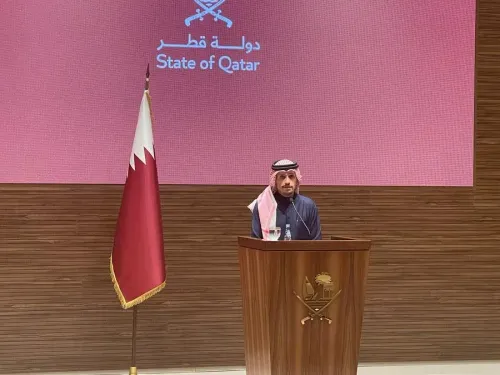
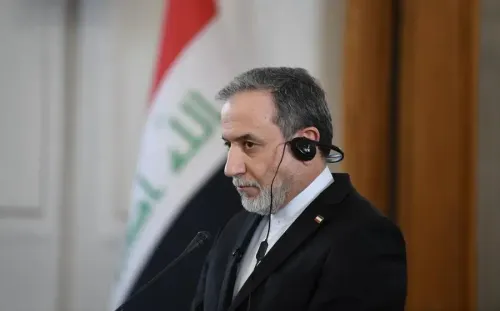
Egyptian Foreign Minister Badr Abdelatty and Qatari Prime Minister and Foreign Affairs Minister Sheikh Mohammed bin Abdulrahman Jassim Al-Thani on Saturday, 10 May jointly urged the United States and Iran to adopt positions characterised by "responsibility" and "wisdom" during what they described as a delicate regional stage. The call came as fresh military clashes erupted in and around the Strait of Hormuz, raising fears of a broader escalation between Washington and Tehran.
What the Two Diplomats Said
During a phone call between the two officials, Egypt and Qatar called for full reliance on diplomacy to settle disputes, stressing the importance of supporting the ongoing negotiation process between the two sides, according to a statement issued by the Egyptian Foreign Ministry. The two officials also reviewed developments on the negotiating track between Washington and Tehran, emphasising that the sustainability of regional security and stability is primarily based on prioritising political solutions — ones that preserve the resources and livelihoods of the peoples of the region.
Background: From Ceasefire to Fresh Clashes
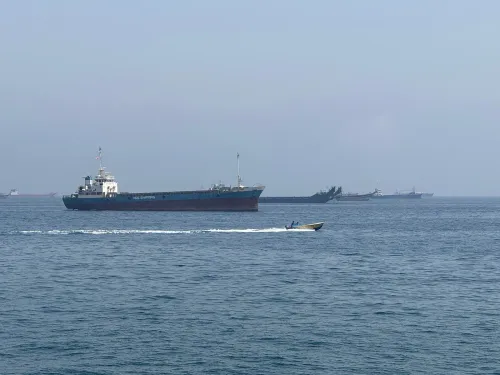
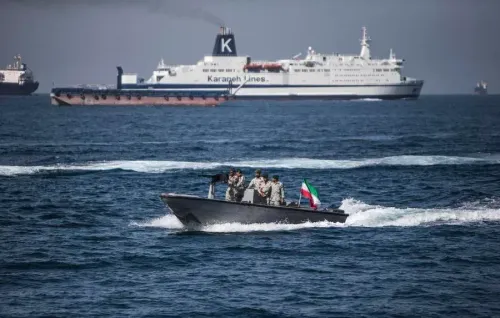
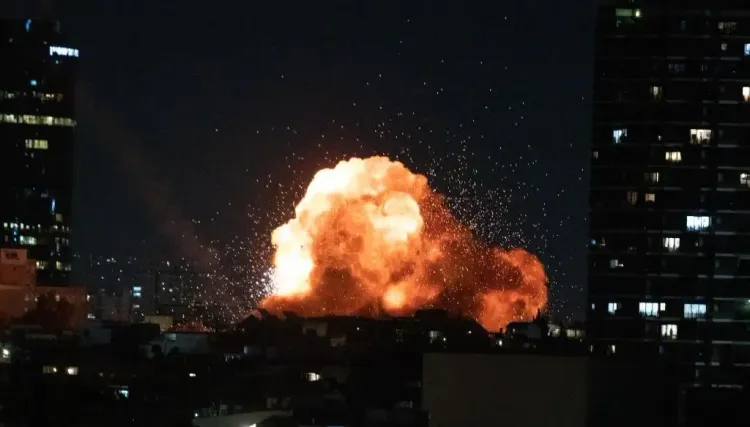
On 28 February, Israel and the United States launched joint attacks on Iran. A ceasefire was reached between the warring sides on 8 April, followed by a round of lengthy peace talks in Pakistan, which failed to yield a formal agreement. Despite diplomatic efforts from various parties, clashes reportedly erupted again recently in and around the Strait of Hormuz, involving US strikes on Iranian vessels and coastal areas, as well as Iranian missile and drone strikes targeting US destroyers.
Iran's Account of the Latest Strike
Iran's Islamic Revolution Guard Corps (IRGC) Navy said early Friday that Iranian forces carried out a "large-scale and precise combined operation" using ballistic missiles, anti-ship cruise missiles, and explosive drones targeting US destroyers. It added that intelligence assessments indicated "significant damage" to US vessels, prompting three destroyers to retreat from the Strait of Hormuz area.
US Response and Trump's Statement
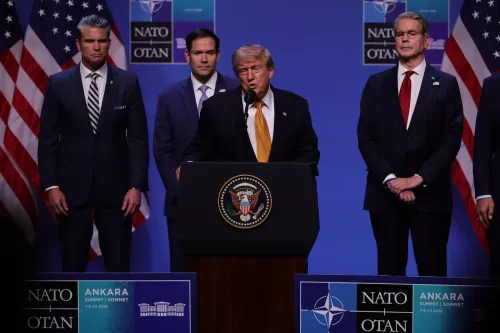
US Central Command (CENTCOM) said in a statement that US forces intercepted "unprovoked Iranian attacks" and responded with self-defence strikes as their Navy ships passed through the Strait of Hormuz. CENTCOM added that it "does not seek escalation but remains positioned and ready to protect American forces." US President Donald Trump said on Thursday that no damage was done to the three American destroyers that transited out of the strait. The contradictory claims from both sides remain unverified by independent sources. With diplomatic channels strained and military posturing intensifying, the international community's calls for restraint are likely to grow louder in the days ahead.
Point of View
A careful framing that preserves both countries' ability to engage. Yet the contradictory damage assessments from CENTCOM and the IRGC — one claiming no harm, the other claiming three destroyers retreated — point to a dangerous information vacuum that makes de-escalation harder to verify and easier to sabotage. The failure of the Pakistan talks, combined with renewed kinetic exchanges, suggests the ceasefire of 8 April was tactical, not strategic. Egypt and Qatar may be the right messengers, but without a credible third-party verification mechanism on the ground, calls for 'wisdom' risk becoming background noise.
NationPress
24 Sept 2026
Frequently Asked Questions
Why are Egypt and Qatar urging restraint between the US and Iran?
Egypt and Qatar issued a joint call on 10 May 2025 urging the US and Iran to show 'responsibility and wisdom' after fresh military clashes erupted in and around the Strait of Hormuz. Both countries stressed the need for diplomacy and political solutions to preserve regional stability.
What happened in the Strait of Hormuz recently?
Iran's IRGC Navy claimed a large-scale combined operation using ballistic missiles, cruise missiles, and drones targeted US destroyers, asserting significant damage and a retreat of three vessels. CENTCOM disputed this, saying US forces intercepted unprovoked Iranian attacks and responded in self-defence, with President Trump stating no damage occurred.
What is the background to the current US-Iran tensions?
On 28 February, the US and Israel launched joint attacks on Iran. A ceasefire followed on 8 April, but subsequent peace talks held in Pakistan failed to produce an agreement, and clashes have since resumed around the Strait of Hormuz.
What did Egypt and Qatar specifically call for?
The two nations called for full reliance on diplomacy to settle disputes, support for the ongoing US-Iran negotiation process, and prioritisation of political solutions that protect the resources and welfare of regional populations.
What is the significance of the Strait of Hormuz in this conflict?
The Strait of Hormuz is one of the world's most critical maritime chokepoints, through which a significant share of global oil exports passes. Military clashes in this area carry major implications for global energy markets and international shipping security.