Maharashtra CM Fadnavis sets $1 trillion economy target by 2030
Synopsis
Maharashtra CM Devendra Fadnavis used the CII annual summit to reframe his state not as one of India's growth contributors but as its defining engine — announcing a $1 trillion economy target by 2030, a surprise Green Steel hub in once-Maoist Gadchiroli, and a pledge to cut industrial power tariffs 3% every year until 2030.
Key Takeaways
CM Devendra Fadnavis set a $1 trillion economy target for Maharashtra by 2030 , speaking at the CII annual business summit on 11 May 2025 .
Gadchiroli is being fast-tracked as India's largest Green Steel hub by 2032 , marking a major industrial push into the state's interior.
Industrial power tariffs will be cut by 3 per cent annually through 2030 ; the Multi-Year Tariff (MYT) 2025–2030 has already been approved.
Mumbai , Pune , and Nagpur form the state's hub-and-spoke model covering finance, innovation, and logistics respectively.
All industrial incentive dues for the previous year have been cleared under a stated "zero-default" policy.
Maharashtra claims the top rank in India's startup ecosystem and is positioning AI, semiconductors, EVs, and GCCs as future growth pillars.
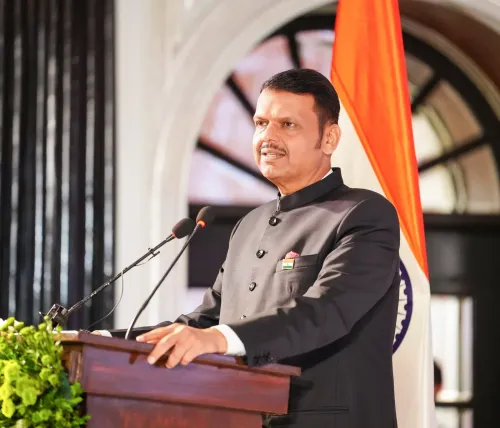
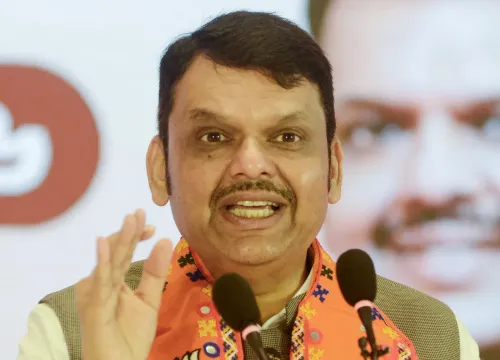
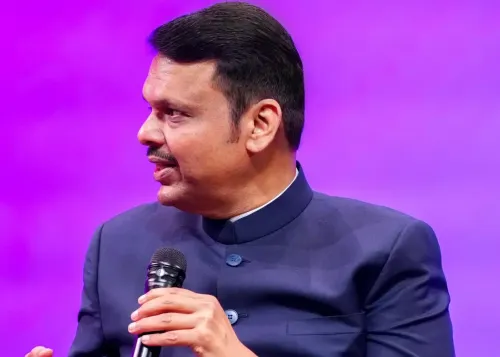
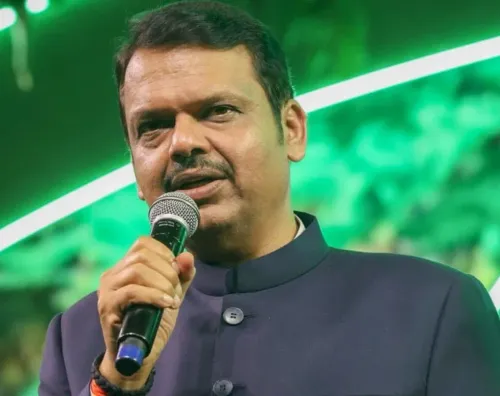
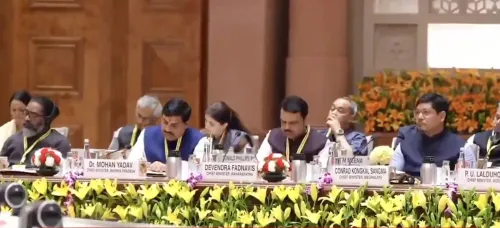
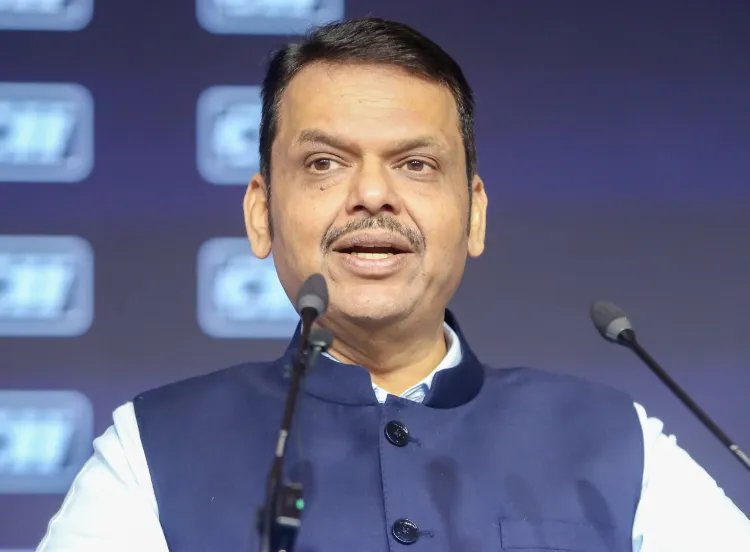
Maharashtra Chief Minister Devendra Fadnavis on Monday, 11 May declared that Maharashtra is no longer a passive participant in India's economic rise but its "primary engine," outlining an ambitious road map to build a $1 trillion economy by 2030. Addressing the Confederation of Indian Industry (CII) annual business summit in New Delhi, Fadnavis argued that the state's transformation is a prerequisite for India's broader goal of becoming a 'Viksit Bharat' by 2047.
Infrastructure as the Foundation
Fadnavis placed infrastructure investment at the centre of Maharashtra's industrial strategy. He highlighted the completion of the Mumbai Trans Harbour Link and the upcoming Navi Mumbai International Airport as connectivity game-changers. "Infrastructure is not just about concrete; it is destiny. Maharashtra is making investments at an unprecedented scale," he said.
He also pointed to the Samruddhi Mahamarg expressway and the development of Vadhavan Port as critical nodes linking Maharashtra's hinterlands to global markets — investments he described as foundational to the state's export ambitions.
High-Value Sectors and the Green Steel Push
Beyond traditional manufacturing, Fadnavis outlined a pivot toward AI, semiconductors, electric vehicles (EVs), clean energy, data centres, Global Capability Centres (GCCs), and deep-tech. He positioned Pune and Mumbai as global research and development hubs for these emerging sectors.
In a notable announcement, Fadnavis revealed that Gadchiroli — once among the state's most underdeveloped districts — is being fast-tracked to become India's largest Green Steel production hub by 2032. This comes amid a national push to decarbonise heavy industry and signals a deliberate effort to redirect industrial investment toward Maharashtra's interior regions.
Competitive Manufacturing and Power Tariff Cuts
To sharpen Maharashtra's edge as a manufacturing destination, Fadnavis committed to reducing industrial power tariffs by 3 per cent annually through 2030. He noted that the Multi-Year Tariff (MYT) for 2025–2030 has already been approved, providing investors with a stable regulatory framework. The Chief Minister also assured the audience that all industrial incentive dues for the previous year have been cleared, emphasising a "zero-default" policy on government commitments.
The Hub-and-Spoke Vision
Fadnavis detailed a geographic division of roles: Mumbai as the financial capital, Pune as the innovation engine, and Nagpur emerging as the nation's central logistics hub. This hub-and-spoke model, he argued, positions Maharashtra to capture value across the entire industrial value chain — from finance and R&D to manufacturing and distribution.
He also asserted that Maharashtra continues to hold the top position in India's startup ecosystem, a claim that underlines the state's bid to attract both domestic and foreign venture capital.
The Call to the Private Sector
Closing with a direct appeal to industry, Fadnavis drew a long arc toward India's centenary. "When India celebrates its centenary in 2047, history will record that it was Maharashtra's courage and execution that provided the momentum for a Viksit Bharat. We are open for business, and we are ready to lead," he said. The speech comes as several Indian states compete aggressively for the same pool of global and domestic investment, making Fadnavis's pitch as much a competitive statement as an economic one.
Point of View
Tamil Nadu, and Telangana are all fishing in the same global investment pool. The Gadchiroli Green Steel announcement is the most structurally interesting element: redirecting industrial capital to a district long associated with Maoist conflict would be a genuine transformation if it materialises. The 3% annual power tariff cut pledge is bold, but its credibility hinges on whether the state's electricity distribution companies can absorb the revenue impact without regulatory slippage. And the $1 trillion target by 2030 — roughly five years away — implies a near-doubling of the state economy at a pace that would require not just policy intent but sustained execution, something Maharashtra's industrial incentive backlog had previously called into question.
NationPress
24 Sept 2026
Frequently Asked Questions
What is Maharashtra's $1 trillion economy target?
Chief Minister Devendra Fadnavis announced at the CII annual summit on 11 May 2025 that Maharashtra aims to become a $1 trillion economy by 2030. The plan rests on infrastructure expansion, high-value manufacturing, and attracting investment in AI, semiconductors, EVs, and clean energy.
What is the Gadchiroli Green Steel hub?
Fadnavis revealed that Gadchiroli, historically one of Maharashtra's most underdeveloped districts, is being fast-tracked to become India's largest Green Steel production hub by 2032. The move is part of a broader push to decarbonise heavy industry and develop Maharashtra's interior regions.
How will Maharashtra cut industrial power tariffs?
The state government has committed to reducing industrial power tariffs by 3 per cent annually through 2030. The Multi-Year Tariff (MYT) for 2025–2030 has already been approved, offering investors a stable and predictable regulatory environment.
What is the hub-and-spoke model Fadnavis described?
Fadnavis outlined a model where Mumbai serves as the financial capital, Pune drives innovation and R&D, and Nagpur functions as India's central logistics hub. This geographic division is designed to spread industrial activity across the state rather than concentrate it in Mumbai alone.
What is Maharashtra's role in the Viksit Bharat 2047 vision?
Fadnavis argued that Maharashtra's economic success is a prerequisite for India achieving its Viksit Bharat goal by 2047, India's centenary year. He positioned the state's industrial and infrastructure push as the momentum behind the national ambition.