International Leaders Take Charge in Strait of Hormuz Crisis Amid US Withdrawal
Synopsis
In a significant shift, global leaders are uniting to manage the crisis in the Strait of Hormuz without US guidance, reflecting growing tensions with Washington. As reliance on Gulf energy escalates, Europe seeks diplomatic solutions while the US's role comes under scrutiny.
Key Takeaways
Global leaders are acting independently of the US in managing the Strait of Hormuz crisis.
European nations are focusing on diplomatic solutions rather than military options.
Iran is tightening its control over the Strait through various threats.
Humanitarian issues are escalating due to supply shortages caused by the conflict.
Rifts between the US and its European allies are becoming more pronounced.
Washington, April 5 (NationPress) Global leaders are taking steps to address the crisis in the Strait of Hormuz without the direct involvement of the United States, as significant rifts surface between Washington and its European partners regarding the ongoing Iran conflict and its worldwide implications.
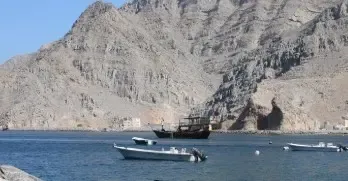
Nations that rely heavily on energy supplies from the Gulf are urgently seeking to reopen the Strait of Hormuz, amidst rising frustration with the US's handling of the situation, as reported by The Hill.
The United Kingdom has organized a summit involving over 40 countries this week to strategize on restoring maritime traffic through this vital waterway, placing the blame on Iran for disrupting international trade.
However, this gathering also revealed pronounced tensions within the Western alliance.
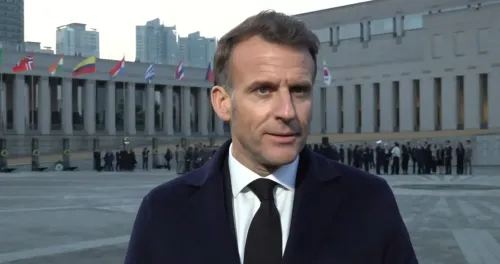
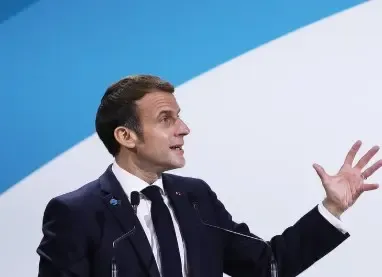
French President Emmanuel Macron has publicly dismissed US requests for military support, stating, “They cannot then complain about not being supported in an operation they decided on their own. It is not our operation,” he asserted.
European leaders are advocating for diplomatic and economic strategies instead of military action, viewing military measures to reopen the Strait as impractical and dangerous, according to insights from The Wall Street Journal.
At the United Nations, Bahrain has proposed a Security Council resolution aimed at safeguarding commercial shipping in the area, although it faces opposition from China, as reported by The Hill.
This divergence underscores a broader fracture in trans-Atlantic relations.
The conflict in Iran has reached a “breaking point” in US-European relations, with Washington expressing frustration over its allies’ refusal to participate in the conflict, as noted by The Wall Street Journal.
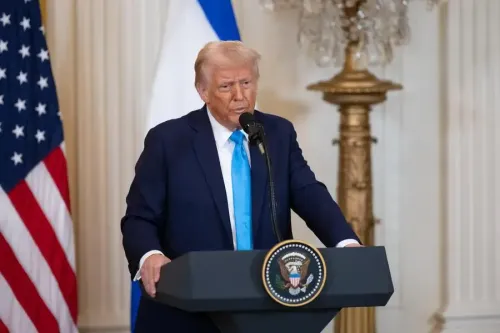
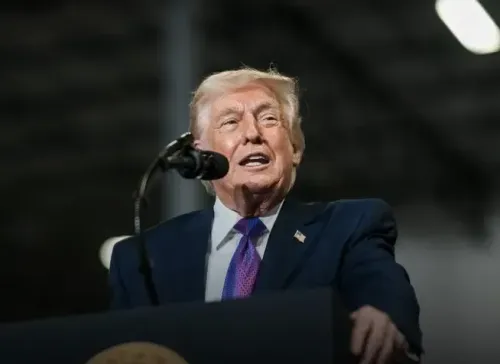
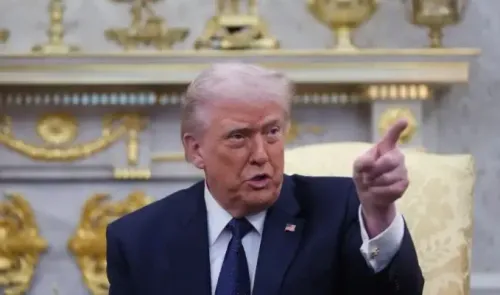
President Donald Trump has allegedly voiced “disgust” at European partners and questioned the future viability of NATO, raising alarms about the alliance's stability, the report detailed.
Concurrently, Trump has provided mixed messages regarding the responsibility for reopening the Strait.
In a recent national address, he stated that nations dependent on Gulf energy should take the initiative, saying, “They must grab it and cherish it. They can do it easily. We will be helpful,” Trump explained.
He later hinted that the US might take charge of reopening the passage and benefit from oil exports, highlighting inconsistencies in policy.
On the ground, Iran has tightened its grip on the Strait through missile and drone threats, permitting selective passage for allied nations, and even suggesting tolls for vessels, as reported by The Hill.
This disruption has prompted urgent contingency planning among governments, including collaborations with shipping firms and discussions on sanctions aimed at pressuring Tehran.
Humanitarian issues are also escalating. The United Nations has initiated a task force to address shortages of critical supplies like fertilizers and foodstuffs impacted by the blockade, according to The Hill.
Ukrainian President Volodymyr Zelensky has recommended decoupling energy discussions from war negotiations, proposing simultaneous tracks to stabilize the situation.
This diplomatic flurry illustrates the increasing uncertainty surrounding the conflict's duration and the lack of a definitive US exit strategy.
Point of View
It’s crucial to highlight the significant shift in global dynamics regarding the Strait of Hormuz. The evident rifts between the US and its European allies reflect deeper issues that could redefine international cooperation and responses to crises.
NationPress
7 Oct 2026
Frequently Asked Questions
Why are global leaders bypassing the US in the Strait of Hormuz crisis?
Global leaders are bypassing the US due to growing frustrations over Washington's handling of the Iran conflict and a lack of consensus on military involvement.
What actions are European leaders taking in the Strait of Hormuz?
European leaders are advocating for diplomatic and economic pressure instead of military solutions to reopen the Strait of Hormuz.
What role is Iran playing in the Strait of Hormuz situation?
Iran is exerting control over the Strait through missile and drone threats and selectively allowing passage for friendly nations while proposing tolls for vessels.
What humanitarian concerns are arising from the crisis?
The United Nations has launched a task force to address shortages of essential supplies, including food and fertilizers, due to the blockade in the Strait.
What is the significance of the UK's recent summit with over 40 nations?
The UK's summit aimed to coordinate efforts to restore maritime traffic through the Strait and highlighted the need for collective action amidst growing tensions.