CM Dhami Leads Uttarakhand's Horticulture Push in Uttarkashi
Synopsis
The Chief Minister's Office of Uttarakhand on 8 July 2026 spotlighted the state's horticulture advances under CM Pushkar Singh Dhami, with Uttarkashi district cited as a key zone for high-altitude fruit cultivation and rural income growth.
Key Takeaways
The Chief Minister's Office of Uttarakhand on 8 July 2026 highlighted horticulture progress under CM Pushkar Singh Dhami .
Uttarkashi district was specifically tagged, signalling a district-level focus on temperate fruit cultivation.
The Mission for Integrated Development of Horticulture (MIDH) , active in Uttarakhand since 2014 , underpins the state's orchard expansion framework.
Hill farmers and fruit growers are the primary stakeholders, with horticulture offering higher per-hectare incomes than rain-fed cereal farming.
State policy layers local incentives for cold chains and organic certification on top of central MIDH support.
Budget allocations and district action plans for Uttarkashi will be key indicators of follow-through.
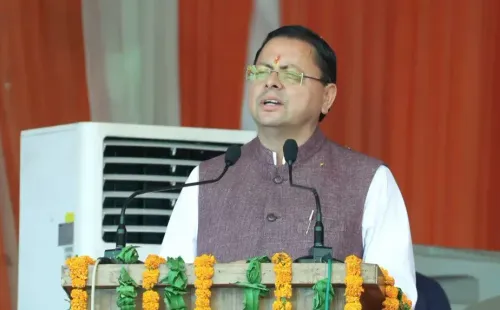
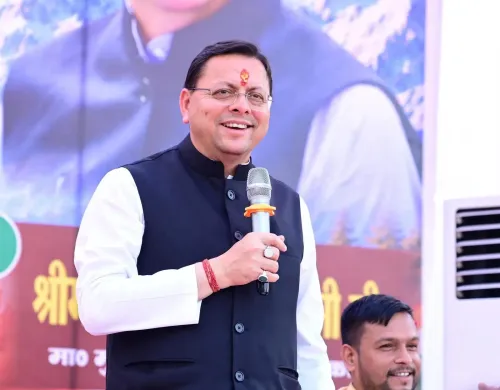
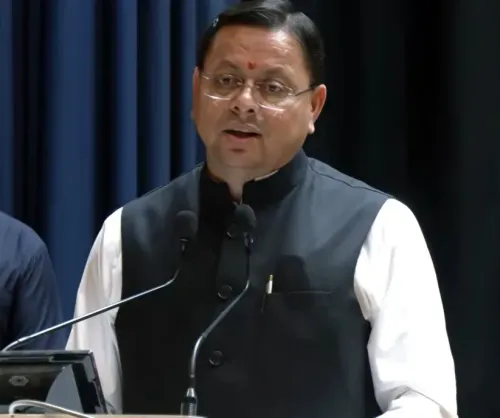
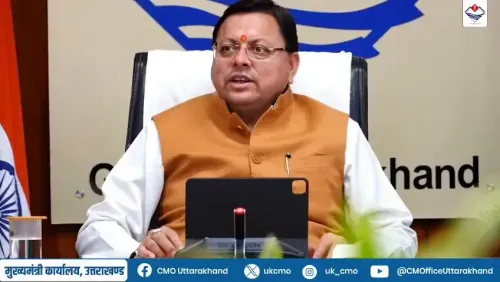
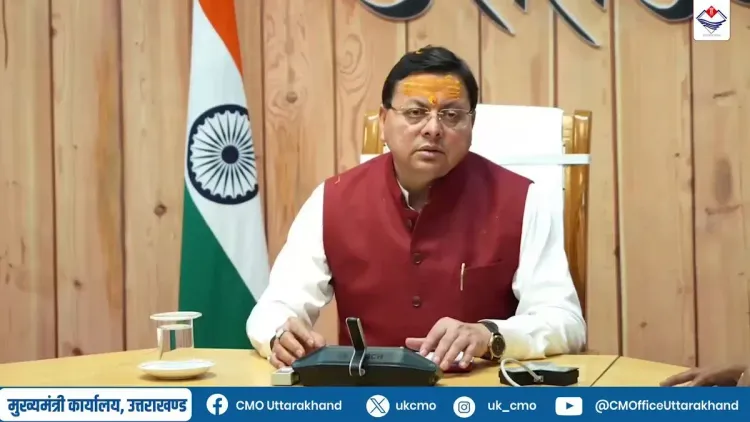
The Chief Minister's Office of Uttarakhand on 8 July 2026 highlighted the state's growing strides in horticulture under the leadership of Chief Minister Pushkar Singh Dhami, drawing attention to Uttarkashi as a focal district in the state's high-altitude fruit cultivation drive.
The post, shared in Hindi, stated: 'मुख्यमंत्री श्री पुष्कर सिंह धामी के नेतृत्व में बागवानी के क्षेत्र में ऊंचाइयों को छू रहा है उत्तराखण्ड' — translated as 'Under the leadership of Chief Minister Pushkar Singh Dhami, Uttarakhand is touching new heights in the field of horticulture.' The message was accompanied by a video, underscoring the government's intent to visually document on-ground progress in the sector.
Context
Uttarkashi, a high-altitude district in the Garhwal division of Uttarakhand, has long been associated with temperate fruit cultivation — particularly apples, peaches, and stone fruits — owing to its agro-climatic suitability. Hill farmers in the district depend significantly on orchard-based income, making horticulture a livelihood priority rather than a supplementary activity. The government's focus on this district signals a targeted push to expand and modernise existing orchards while integrating farmers into formal supply chains.
Policy Backdrop
The centrally sponsored Mission for Integrated Development of Horticulture (MIDH), operational in Uttarakhand since 2014, has provided the foundational framework for expanding area under fruits, vegetables, and flowers across the state. Uttarakhand's state government has complemented MIDH with local incentives covering orchard development, cold-chain infrastructure, and organic certification — positioning hill produce for premium domestic and export markets. CM Dhami, who has led the BJP government in the state since 2021, has repeatedly cited horticulture as a pillar of rural economic uplift in the Himalayas.
Stakeholders and Impact
The primary beneficiaries of an expanded horticulture programme are hill farmers and fruit growers across Uttarakhand's mountainous districts, where rain-fed terrain limits conventional cereal farming but favours high-value fruit and vegetable cultivation. Improved per-hectare incomes from orchard crops can reduce rural distress and slow out-migration — a chronic challenge for Himalayan states. Cold-chain development and organic certification, when linked to market access, also create downstream employment in processing, packaging, and logistics.
Broader Himalayan states such as Himachal Pradesh have demonstrated that sustained state investment in horticulture — backed by central schemes — can materially shift the rural income profile. Uttarakhand's renewed emphasis on the sector, spotlighted through districts like Uttarkashi, reflects a similar diversification strategy suited to its agro-climatic strengths.
What's Next
Observers will watch the state's upcoming budget cycle for specific allocations toward horticulture subsidies, cold-storage expansion, and district action plans for Uttarkashi and neighbouring high-altitude districts. If the government follows through with measurable targets — area under orchards, farmer enrolment in certification schemes, or cold-chain capacity additions — the current communication will mark the start of a trackable policy push rather than a standalone announcement. The emphasis on Uttarkashi in particular suggests district-level implementation plans may already be in motion, with public visibility serving as an accountability signal.
Point of View
Showcasing sector-specific progress ahead of budget cycles serves a dual purpose — reinforcing a development narrative while signalling intent to farmers who are a core constituency. The move mirrors Himachal Pradesh's long-running orchard economy model, suggesting Uttarakhand is positioning itself as the next Himalayan horticulture success story. Whether the communication translates into measurable policy outcomes — subsidies, cold-chain capacity, certified organic acreage — will determine its lasting political and economic weight.
NationPress
8 Jul 2026
Frequently Asked Questions
What is Uttarakhand's horticulture focus under CM Dhami?
Under Chief Minister Pushkar Singh Dhami, Uttarakhand is expanding high-altitude fruit and vegetable cultivation, particularly in districts like Uttarkashi, supported by the centrally sponsored Mission for Integrated Development of Horticulture (MIDH) and state-level incentives for orchards, cold chains, and organic certification.
Why is Uttarkashi important for horticulture in Uttarakhand?
Uttarkashi is a high-altitude Garhwal district with agro-climatic conditions well suited to temperate fruits such as apples and peaches, making it a natural hub for orchard-based farming and a priority zone for state horticulture programmes.
What is the Mission for Integrated Development of Horticulture (MIDH)?
MIDH is a centrally sponsored scheme operational since 2014 that funds expansion of area under fruits, vegetables, and flowers. It has been a key policy tool in Uttarakhand's horticulture development, complemented by state-level subsidies and infrastructure support.
How does horticulture help hill farmers in Uttarakhand?
Horticulture offers hill farmers higher per-hectare incomes compared to rain-fed cereal farming, reduces dependence on unpredictable monsoons, and creates downstream employment in processing and cold-chain logistics, helping slow out-migration from mountain villages.
What should we watch for next in Uttarakhand horticulture policy?
Key indicators will include state budget allocations for horticulture subsidies, new district action plans for Uttarkashi, cold-storage capacity additions, and farmer enrolment in organic certification schemes — all of which would confirm whether the government's stated ambitions are backed by concrete investment.