CM Dhami Pays Tribute to Farmers as Nation's Food Providers
Synopsis
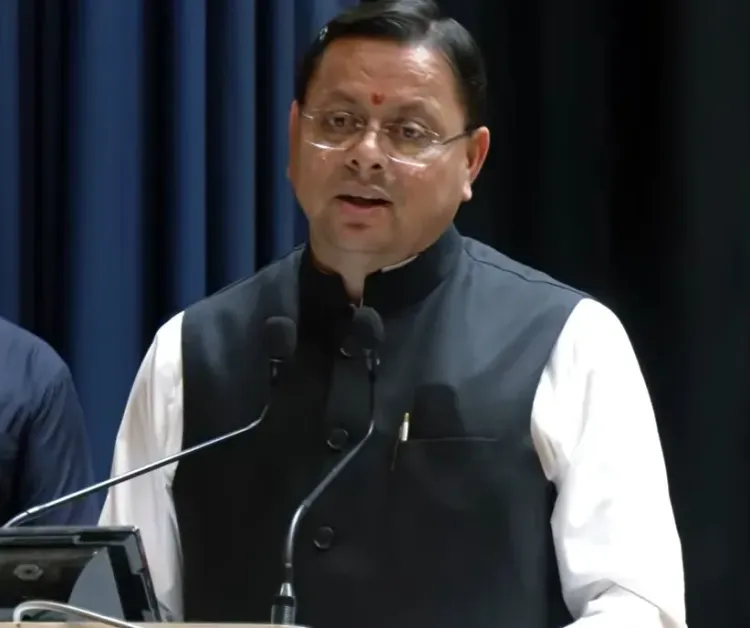
Chief Minister Pushkar Singh Dhami of Uttarakhand paid tribute to Indian farmers on 20 June 2026, saying the country's food abundance exists because of their labour and that a farmer nourishes the entire nation — not just grows crops.
Key Takeaways
CM Pushkar Singh Dhami of Uttarakhand credited Indian farmers with the country's current food-grain abundance in a statement shared on 20 June 2026 .
He said a farmer 'does not merely grow crops but nourishes the entire nation through hard work.' India's food self-sufficiency was established through the Green Revolution of the 1960s–70s , a legacy successive governments have built upon.
The PM-KISAN scheme provides Rs 6,000 per year in direct income support to eligible farmer families nationwide.
Uttarakhand's agriculture sector spans both plains and hill districts, with ongoing state interest in organic farming and crop diversification.
Policy watchers will monitor whether the tribute is followed by new state agriculture budget allocations or hill-farming schemes.
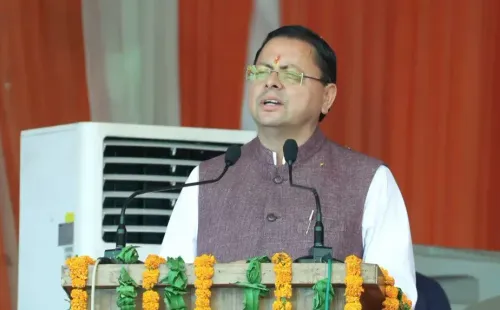
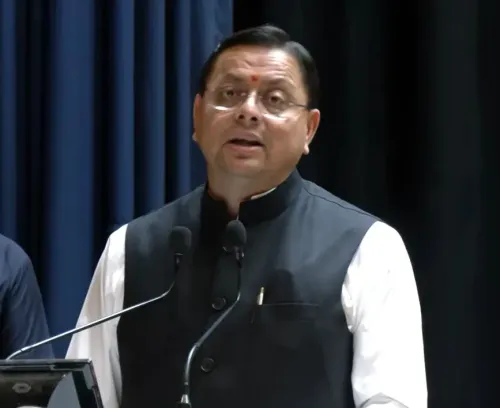
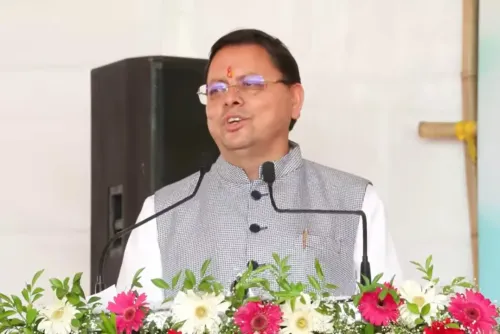
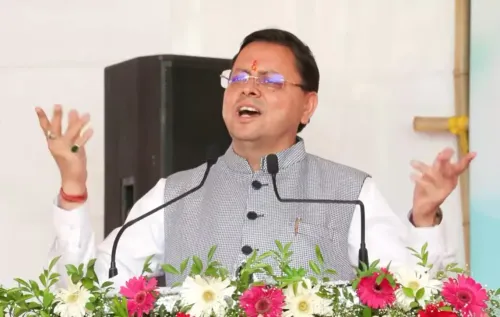
The Chief Minister's Office of Uttarakhand on Saturday, 20 June 2026 shared a tribute by Chief Minister Pushkar Singh Dhami honouring Indian farmers as the backbone of the country's food security, calling them the true architects of India's agricultural abundance.
Quoting CM Dhami directly, the post stated: 'Aaj hamare desh mein prachur matra mein ann ki uplabdhata hai to woh kisan bhaiyon ke kaaran hai.' ['If our country today has food grain in abundance, it is because of our farmer brothers.'] He added that a farmer does not merely grow crops — he 'nourishes the entire nation through his hard work.'
Context
The remarks reflect a long-standing national sentiment that credits India's farming community with driving the country's transition from food scarcity to surplus. India's food-grain self-sufficiency, achieved through the Green Revolution of the 1960s and 1970s, introduced high-yielding seed varieties and expanded irrigation networks, fundamentally transforming agricultural output. Successive governments have continued to frame farmers as central to national development.
Uttarakhand, a northern Himalayan state, draws a meaningful share of its rural economy from agriculture, horticulture, and allied sectors spread across both its plains districts and hill regions. The state has periodically pushed initiatives on crop diversification and organic farming to suit its varied terrain.
Policy Backdrop
At the national level, the PM-KISAN scheme, launched in 2019, provides direct income support of Rs 6,000 per year to eligible farmer families, underscoring the Centre's commitment to agricultural welfare. State governments, including Uttarakhand, have complemented such central programmes with their own rural credit, irrigation, and minimum support price mechanisms.
Statements of this kind from state leadership commonly accompany broader policy conversations around climate-resilient farming, hill agriculture support, and organic certification — sectors where Uttarakhand has shown particular interest given its ecological profile.
Stakeholders and Impact
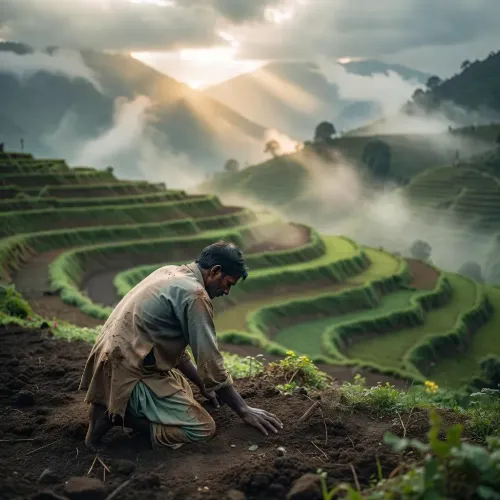
The tribute is directed at the farming community across Uttarakhand and, by extension, across India. For hill farmers in particular — who operate on fragmented landholdings and face challenges of soil erosion and erratic rainfall — recognition from the state's highest office carries symbolic weight alongside any material policy measures.
Agricultural stakeholders, rural cooperatives, and farmer unions in the state are among those who track such statements as signals of the government's policy priorities in upcoming budget cycles and scheme announcements.
What's Next
Observers will watch for whether CM Dhami's tribute translates into concrete announcements — such as enhanced allocations in the state agriculture budget, new schemes for hill or organic farming, or expanded irrigation coverage in Uttarakhand's remote districts. State-level agriculture policy decisions in the coming weeks will indicate whether this acknowledgement is a precursor to fresh programmatic action.
Point of View
But the framing carries particular resonance in a hill state like Uttarakhand where agriculture is both an economic necessity and a cultural identity. The statement arrives at a time when hill farmers face mounting pressures from climate variability and land fragmentation, making the gap between symbolic recognition and substantive policy support a live political question. For the BJP government in Dehradun, such messaging also reinforces its national alignment with agrarian welfare narratives ahead of potential budget or scheme announcements. The real test will be whether the tribute is anchored to tangible policy action in the near term.
NationPress
19 Sept 2026
Frequently Asked Questions
What did Uttarakhand CM Pushkar Singh Dhami say about farmers?
CM Dhami said that India's food abundance today exists because of farmers, and that a farmer does not merely grow crops but nourishes the entire nation through hard work.
When did CM Dhami make this statement about farmers?
The statement was shared by the Chief Minister's Office of Uttarakhand on Saturday, 20 June 2026 .
What is the PM-KISAN scheme for farmers in India?
The PM-KISAN scheme , launched in 2019 , provides direct income support of Rs 6,000 per year to eligible farmer families across India.
How does Uttarakhand support its farming community?
Uttarakhand supports farmers through state-level agriculture budgets, crop diversification programmes, irrigation expansion, and complementary implementation of central schemes like PM-KISAN.
Why are farmers credited with India's food security?
India's transition to food-grain self-sufficiency, enabled by the Green Revolution of the 1960s and 1970s , is widely attributed to the labour of millions of farmers who adopted new crop varieties and farming practices.