CM Dhami Reaffirms Farmer Welfare as Top Priority for Uttarakhand Govt
Synopsis
Chief Minister Pushkar Singh Dhami of Uttarakhand has reaffirmed that farmers are his government's foremost priority, pledging ground-level action over promises and round-the-clock dedication to their welfare. The statement comes amid ongoing challenges of rural distress and out-migration in the Himalayan state.
Key Takeaways
CM Pushkar Singh Dhami declared farmers the 'biggest priority' of the Uttarakhand government in a statement shared on June 6, 2026 .
The message used the term annadata , a culturally significant honorific for farmers, signalling a moral framing of agricultural welfare.
Uttarakhand 's agrarian economy faces structural challenges including Himalayan terrain, climate variability, and rural out-migration.
The PM-KISAN direct income-support scheme, active since 2019 , covers eligible farmers in the state alongside state-level interventions.
No specific new scheme or budgetary figure was announced; the statement reaffirms intent and political commitment.
Upcoming state budget sessions will be the key test of whether this commitment translates into concrete policy action.
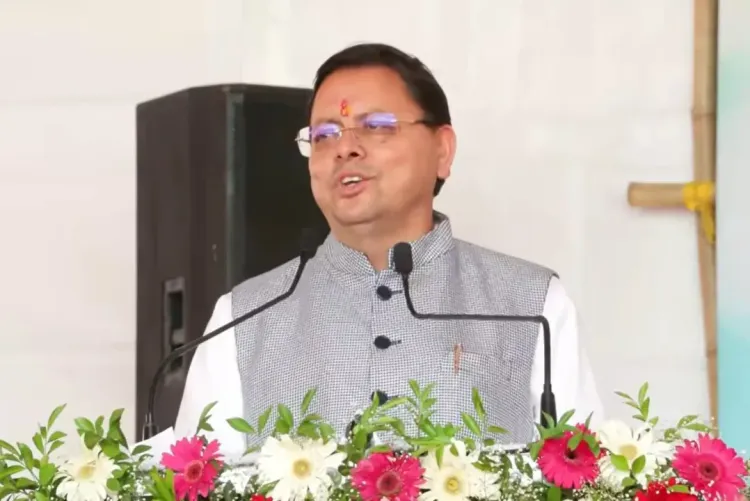
The Chief Minister's Office of Uttarakhand on Saturday, June 6, 2026, shared a statement by Chief Minister Pushkar Singh Dhami reaffirming that farmers remain the foremost priority of the state government, pledging round-the-clock dedication to their welfare.
Context
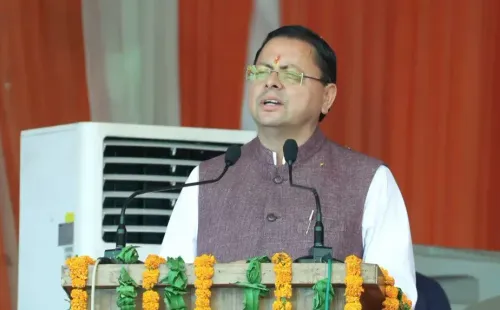
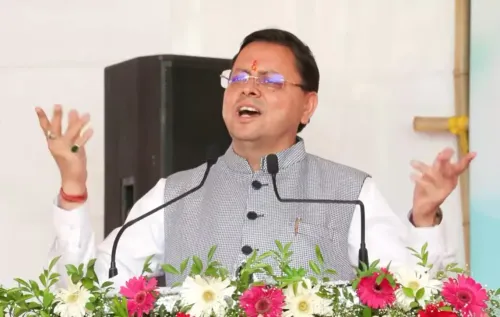
Speaking through the official CMO handle, CM Dhami stated: 'Our government's biggest priority is our annadata [providers of grain], our farmer brothers and sisters. We believe in working on the ground, not on promises. Our government understands the value of every drop of your sweat, and that is why it is working day and night, dedicated to your welfare.'
The statement, posted in Hindi, uses the term annadata — a culturally resonant honorific for farmers — underscoring the government's intent to frame agricultural welfare as a moral and political commitment rather than a policy footnote.
Policy Backdrop
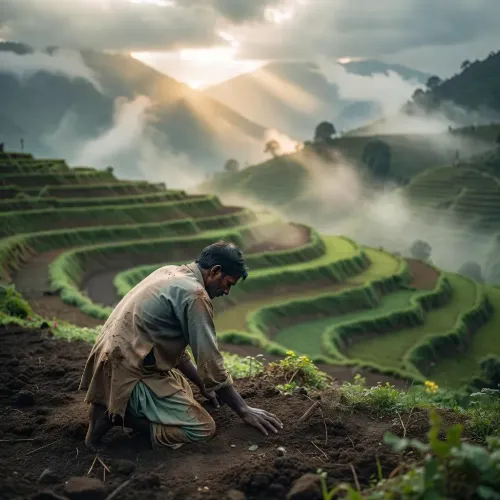
Uttarakhand is a hill state with a predominantly agrarian economy, where farming is shaped by challenging Himalayan terrain, climate variability, and persistent out-migration from rural areas. These structural pressures have long made farmer welfare a central political and administrative concern for successive state governments.
At the national level, the PM-KISAN direct income-support scheme, launched in 2019, extends to eligible farmers in Uttarakhand, providing a financial floor for smallholders. State governments have complemented such central schemes with their own interventions, including support for organic farming — a sector where Uttarakhand has sought to position itself as a leader given its Himalayan ecology.
The BJP government in the state, led by CM Dhami since March 2021 and re-elected in the 2022 assembly elections, has consistently highlighted farmer outreach as a signature governance theme. Budget allocations for agriculture and the rollout of farmer-centric schemes remain key metrics by which the administration's delivery is assessed.
Stakeholders and Impact
The primary stakeholders are the farming communities of Uttarakhand, many of whom depend on smallholder and subsistence agriculture in difficult hill terrain. Rural distress, driven by erratic monsoons, land fragmentation, and the lure of urban employment, has accelerated out-migration from villages — a challenge that state welfare messaging seeks to address both materially and symbolically.
Farmer organisations and rural advocacy groups in the state have periodically called for more targeted support, including better market linkages, crop insurance coverage, and irrigation infrastructure suited to hill agriculture. The CM's statement, while reaffirming intent, does not announce a specific new scheme or budgetary measure.
What's Next
Attention will now turn to the Uttarakhand government's forthcoming budget sessions and any legislative or administrative announcements that translate this stated commitment into concrete allocations. Observers will watch for updates on state-level farmer schemes, organic farming promotion initiatives, and the pace of PM-KISAN disbursements to eligible beneficiaries in the state. The government's credibility on this issue will ultimately be measured by on-ground delivery rather than public messaging.
Point of View
Where agrarian messaging serves both a governance and an electoral function ahead of budget cycles. The use of emotionally charged language — annadata, 'every drop of sweat' — suggests the statement is as much about political signalling as policy communication. Without an accompanying announcement of a specific scheme or allocation, the statement's impact will depend on what follows in the legislative calendar. For a state grappling with rural out-migration and terrain-specific agricultural stress, the gap between rhetorical commitment and measurable delivery remains the central political challenge for the Dhami administration.
NationPress
21 Oct 2026
Frequently Asked Questions
What did CM Dhami say about farmers in Uttarakhand?
CM Pushkar Singh Dhami stated that farmers are his government's biggest priority, pledging that the administration works day and night for their welfare and values every drop of their hard work.
What schemes support Uttarakhand farmers?
Eligible farmers in Uttarakhand benefit from the central PM-KISAN direct income-support scheme launched in 2019 , alongside various state-level agriculture and organic farming initiatives.
What are the main challenges for farmers in Uttarakhand?
Farmers in Uttarakhand face challenges including difficult Himalayan terrain, climate variability, land fragmentation, limited market access, and significant rural out-migration that depletes the agricultural workforce.
Who is Pushkar Singh Dhami?
Pushkar Singh Dhami is the Chief Minister of Uttarakhand , leading the BJP government since March 2021 and re-elected after the 2022 state assembly elections.
Did the Uttarakhand government announce a new farmer scheme on June 6 2026?
No specific new scheme or budgetary allocation was announced on June 6, 2026 . The statement from the Chief Minister's Office reaffirmed the government's commitment to farmer welfare without detailing a new policy measure.