Russia and China Block Hormuz Resolution Amid Trump's Deadline
Synopsis
In a critical diplomatic move, Russia and China vetoed a resolution aimed at reopening the Strait of Hormuz, just as US President Trump issued a dire warning to Iran. This action raises significant concerns over international navigation and global energy security.
Key Takeaways
Russia and China vetoed a resolution regarding the Strait of Hormuz .
The resolution was revised to avoid permitting offensive military action.
Bahrain’s Foreign Minister emphasized Iran's lack of authority over international navigation.
The veto reflects significant geopolitical tensions and challenges to global energy security.
The situation remains critical as diplomatic efforts continue.
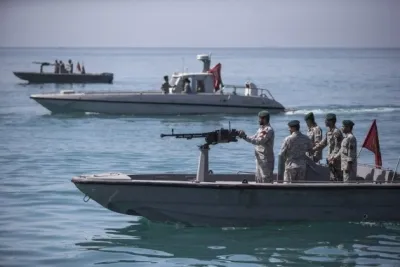
United Nations, April 7 (NationPress) On Tuesday, both Russia and China exercised their veto power against a resolution aimed at reopening the Strait of Hormuz and implementing defensive measures, as the deadline for US President Donald Trump’s alarming ultimatum regarding Iran's actions drew near.
Pakistan, part of a trio of nations engaged in last-minute diplomatic discussions, along with Colombia, abstained from voting on the resolution proposed by Council President Bahrain, while the remaining 11 members supported it.
The resolution was revised from its original form, which would have permitted offensive military actions following objections from France, in an effort to gain approval from both Russia and China.
The final proposal put forth by Bahrain, supported by Gulf nations and Jordan, merely called for “coordinating efforts, defensive in nature, appropriate to the circumstances, to help ensure the safety and security of navigation through the Strait of Hormuz.”
The core message was to “strongly encourage nations interested in utilizing commercial shipping routes in the Strait of Hormuz.”
During the introduction of the resolution, Bahrain’s Foreign Minister Abdullatif bin Rashid al Zayani stated: “We emphatically declare that the Islamic Republic of Iran has no authority to obstruct this vital waterway for international navigation, nor to deny nations access to these essential resources.”
Following the resolution's failure, he expressed doubt regarding the Council’s capability to address a matter that poses a significant risk to the global economy by obstructing a crucial energy shipping route.
He remarked that the resolution's rejection sends a detrimental message to the world, implying that threats to international waterways could go unchallenged by the global community.
The Council convened just ten hours before Trump’s ultimatum regarding Iran's compliance with reopening the Strait.
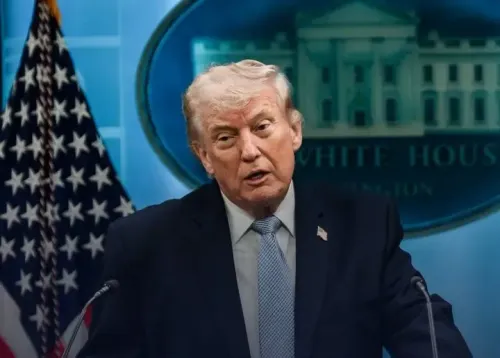
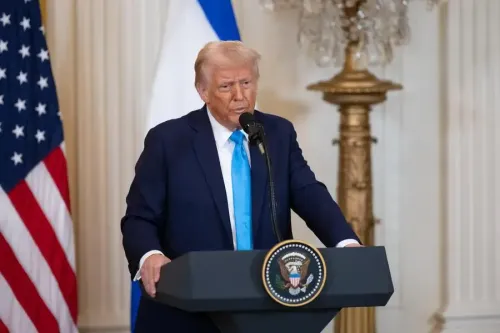
In a post on Truth Social, he warned that if Iran did not comply by 8 PM in Washington, “A whole civilization will perish tonight, never to be revived.”
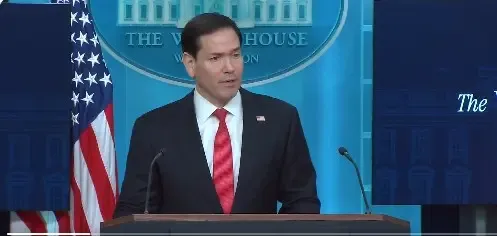
US Permanent Representative Mike Waltz defended the resolution, insisting that when critical shipments are held up, “the world will know who explicitly chose destruction over accountability.”
The resolution's message was straightforward: “Iran must cease its attacks on the Gulf.”
Russia and China, through their vetoes, appeared to endorse Iran’s position in “holding the global economy hostage.”
Russia’s Permanent Representative stated that the veto was a response to the resolution being “fundamentally flawed” and adopting a “perilous approach to the regional situation.”
He also highlighted the absence of mention regarding initial attacks by Israel and the US on February 28, which ignited the current tensions.
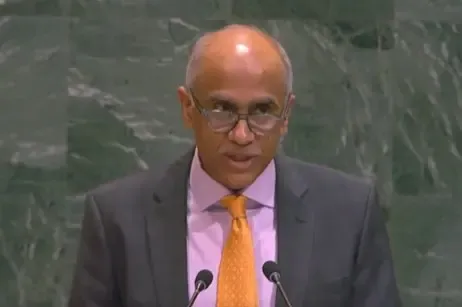
China’s Permanent Representative Fu Cong echoed this sentiment, asserting that “the draft resolution failed to comprehensively and balancedly address the root causes and the full scope of the conflict.”
Last month, the Council had passed a resolution, also introduced by Bahrain, condemning Iran’s actions against Gulf states and demanding that Tehran reopen the Strait; both Russia and China abstained from that vote, facilitating its approval.
Point of View
The veto by Russia and China signals a critical juncture in international relations, particularly regarding energy security in the Strait of Hormuz. The diplomatic efforts reflect deep geopolitical tensions, necessitating a concerted global response to maintain navigation rights in these crucial waters.
NationPress
19 Sept 2026
Frequently Asked Questions
What was the purpose of the resolution vetoed by Russia and China?
The resolution aimed to reopen the Strait of Hormuz and implement defensive measures in response to threats from Iran.
What did Bahrain's Foreign Minister say regarding Iran's actions?
He stated that Iran has no right to close the waterway and emphasized the importance of international navigation.
What was the reaction of the US Permanent Representative to the veto?
US Permanent Representative Mike Waltz defended the resolution, criticizing the choice of destruction over responsibility.
Why did Russia and China veto the resolution?
They deemed it fundamentally flawed and felt it did not address the root causes of the conflict in the region.
What implications does this veto have for global energy security?
The veto raises alarms about potential threats to international shipping routes crucial for global energy supply.