MEA: Indian embassies running 24/7 helplines for nationals in Gulf, West Asia
Synopsis
With missiles and drones striking Gulf nations since February and 2,557 Indians already evacuated from Iran via land routes, the MEA's inter-ministerial briefing on 29 May reveals the scale of India's quiet crisis-management operation — one that rarely makes front pages but directly affects millions of Indian nationals living and working across the region.
Key Takeaways
MEA confirmed on 29 May that Indian embassies and consulates in the Gulf and West Asia are running round-the-clock helplines for Indian nationals.
The Indian Embassy in Tehran has facilitated the movement of 2,557 Indian nationals out of Iran through land border routes.
Indians have been advised to avoid travelling to Iran ; those already there are being assisted to leave.
UAE, Kuwait, Bahrain, and Iraq airspaces are open (Iraq with limited operations); Qatar airspace is partially open.
Three Indian nationals were injured in the UAE earlier in May; PM Modi called the targeting of civilians 'unacceptable'.
The US-Israel-Iran conflict , ongoing since February , has triggered repeated missile and drone strikes across several Gulf countries.
The Ministry of External Affairs (MEA) on Friday, 29 May reiterated that Indian embassies and consulates across the Gulf and West Asia are operating round-the-clock helplines and proactively assisting Indian nationals amid the ongoing regional conflict. The assurance came during an inter-ministerial briefing as tensions in the region continue to affect air travel and civilian safety.
Key Developments
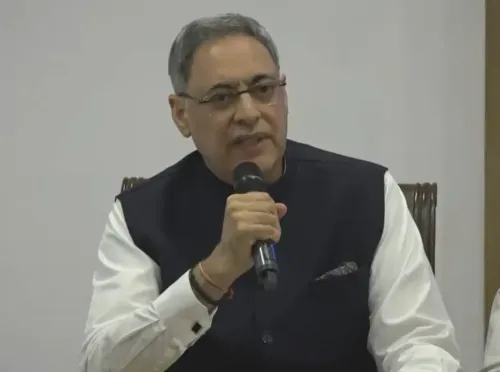
Aseem R Mahajan, Additional Secretary (Gulf) at the MEA, confirmed that Indian missions are in close contact with local governments and are actively monitoring the situation. 'Ministry of External Affairs continues to closely monitor developments in the Gulf and West Asia region. Our efforts are focused on ensuring the safety and welfare of the Indian community in the region,' he stated.
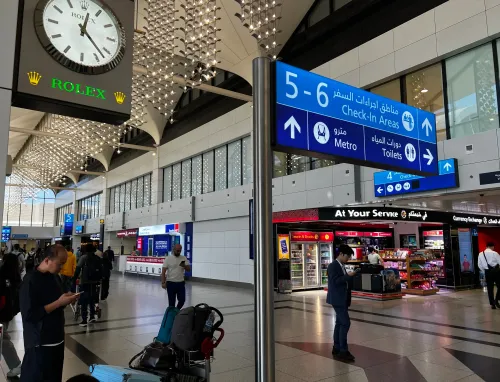
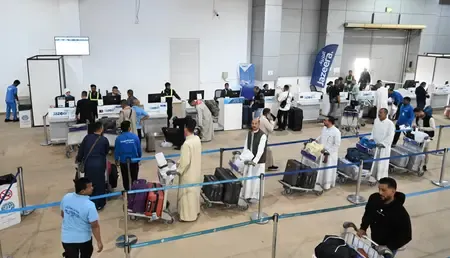
On the flight situation, Mahajan noted steady improvement, with additional services now operating from the region to various Indian destinations. 'UAE airspace is open,' he confirmed, adding that both Indian and UAE carriers are running flights from the UAE to multiple cities in India. Flights are also operating from airports in Saudi Arabia and Oman to destinations across India.
Airspace Status Across the Region
According to the MEA, Qatar airspace is partially open, while Kuwait and Bahrain airspaces are fully open. Iraq airspace is open with limited flight operations, which can be used for onward travel to India. Israel's airspace is open but with limited regional flight activity.
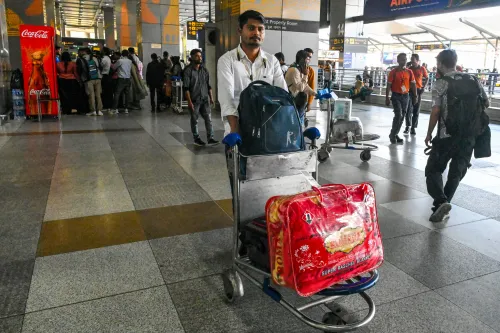
The situation in Iran remains the most constrained. The MEA has advised Indian nationals to avoid travelling to Iran and urged those already present to depart with Embassy support. 'So far, the Indian Embassy in Tehran has facilitated the movement of 2,557 Indian nationals out of Iran through land border routes,' Mahajan highlighted.
Background: Conflict and Its Impact on Indians Abroad
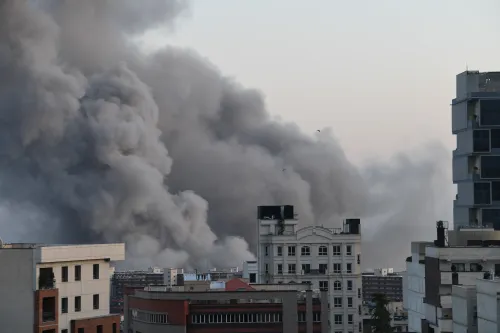
Several Gulf countries have reported missiles and drone strikes targeting their territories multiple times since the US-Israel-Iran conflict began in February. The conflict has disrupted regional air corridors and raised security concerns for the estimated 9 million-strong Indian diaspora in the Gulf.
Earlier in May, three Indian nationals were injured in the UAE amid the hostilities. Prime Minister Narendra Modi condemned the attack, calling the targeting of civilians and infrastructure 'unacceptable.' The incident underscored the direct human cost being borne by the Indian community in the region.
What the Government Is Doing
Beyond evacuation assistance, the MEA's inter-ministerial briefing signals a coordinated government response involving multiple departments. Indian missions are maintaining active communication channels with host governments, tracking flight availability, and facilitating safe passage through land routes where air travel is not possible.
With the conflict showing no immediate signs of de-escalation, the MEA is expected to continue issuing regular advisories. Indian nationals in the region have been urged to register with their nearest embassy or consulate and follow official guidance closely.
Point of View
557-figure for Indians evacuated from Iran via land routes is the most concrete indicator yet of how deeply the US-Israel-Iran conflict is disrupting Indian lives in the region — and how much of India's diplomatic bandwidth is now consumed by it. The MEA's inter-ministerial briefing format signals this is no longer a single-ministry watch brief. What remains unaddressed is the economic exposure: remittances from Gulf-based Indian workers run into tens of thousands of crores annually, and a prolonged conflict could hit household incomes back home far harder than any policy headline. The government's communication has been measured and reassuring, but the underlying scale of the challenge deserves more public accountability than a Friday briefing allows.
NationPress
19 Sept 2026
Frequently Asked Questions
What is the MEA doing for Indian nationals in the Gulf and West Asia?
The MEA has confirmed that Indian embassies and consulates are operating 24/7 helplines and are in close contact with local governments to assist Indian nationals. Missions are also facilitating evacuation from high-risk areas, including land-route exits from Iran.
How many Indians have been evacuated from Iran?
As of 29 May, the Indian Embassy in Tehran has facilitated the movement of 2,557 Indian nationals out of Iran through land border routes, according to MEA Additional Secretary Aseem R Mahajan.
Which airspaces in the region are currently open for travel to India?
UAE, Kuwait, Bahrain, and Iraq airspaces are open, with Iraq operating limited flights. Qatar airspace is partially open. Israel's airspace is open with limited regional operations. Iran remains the most restricted, with the MEA advising Indians to avoid travel there.
Why has the MEA advised against travel to Iran?
The MEA has advised Indian nationals to avoid travelling to Iran due to the ongoing US-Israel-Iran conflict, which has caused widespread regional instability since February. Those already in Iran are being urged to leave with Embassy support via land border routes.
Were any Indian nationals harmed in the conflict?
Yes, three Indian nationals were injured in the UAE earlier in May during the ongoing conflict. Prime Minister Narendra Modi condemned the attack, describing the targeting of civilians and infrastructure as 'unacceptable'.