Over 52,000 Indians Successfully Repatriated from Gulf Amid War
Synopsis
In a significant operation, the Ministry of External Affairs reports that over 52,000 Indian nationals have been evacuated from the Gulf region during the ongoing conflict in West Asia. This initiative underscores the government's commitment to the safety and welfare of its citizens abroad.
Key Takeaways
Over 52,000 Indians repatriated from the Gulf Evacuations conducted between March 1-7 32,107 used Indian airlines MEAs Special Control Room established Safety of nationals is top priority
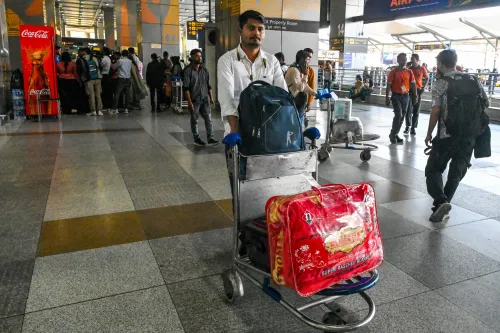
New Delhi, March 7 (NationPress) The Ministry of External Affairs (MEA) announced on Saturday that over 52,000 Indian citizens have been successfully repatriated from the Gulf region to India between March 1 and March 7, following the onset of war in West Asia.
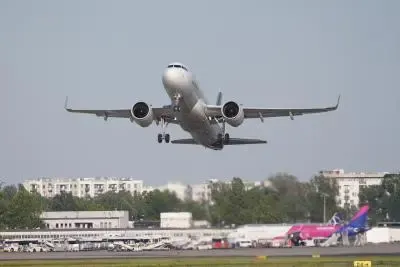
The MEA indicated that among these returnees, 32,107 passengers utilized Indian airlines, while the remainder were transported by international carriers.
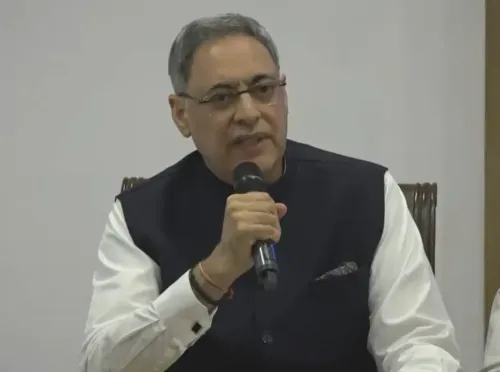
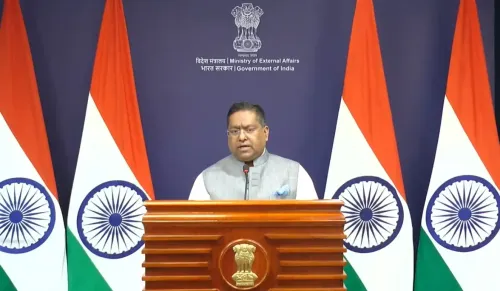
MEA Spokesperson Randhir Jaiswal stated that the Government of India is actively monitoring the evolving situation in West Asia and the Gulf, with a particular focus on the well-being of Indian nationals who are stranded or on brief visits.
He noted that the recent partial reopening of airspace in the area has permitted both scheduled and non-scheduled flights to operate, aiding the return of stranded individuals.
“More flights are being organized in the forthcoming days to ensure that those still waiting for repatriation can return home without delay,” he informed.
Jaiswal further advised all Indian citizens in the region to adhere to the directives of local authorities and the advisories issued by the Indian Embassy or Consulate in their respective areas.
He highlighted that each of India’s missions in the impacted countries has already released comprehensive advisories and established 24/7 helplines to deal with inquiries arising from the current circumstances.
The MEA has also set up a dedicated Special Control Room in New Delhi to oversee developments and respond to questions from affected individuals and their families.
“Full details of all helplines are available on the ministry’s official website,” Jaiswal mentioned.
Jaiswal urged Indian nationals in regions where commercial flight services are still suspended to reach out directly to the relevant Embassy or Consulate for information and assistance regarding the nearest flight options.
He reiterated that ensuring the safety and welfare of Indian citizens abroad is the government's foremost priority, which is actively collaborating with regional governments to provide aid to those in distress.
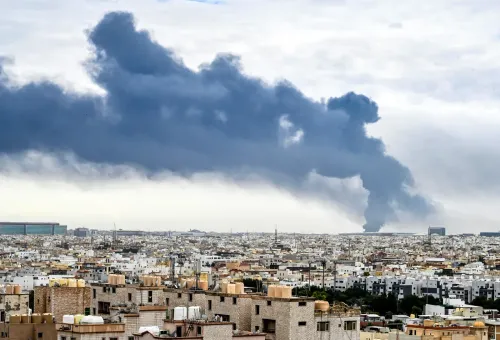
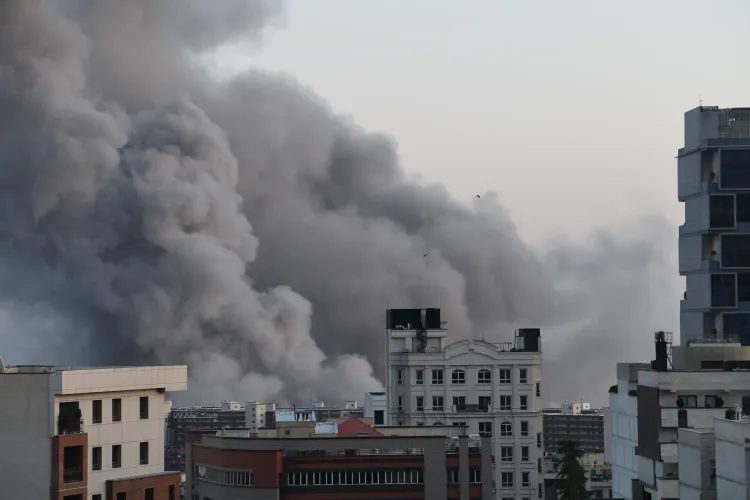
The war in West Asia ignited in late February following a significant escalation involving Israel, the US, and Iran, triggered by targeted airstrikes in Tehran that resulted in the deaths of Iran’s Supreme Leader Ayatollah Ali Khamenei and senior IRGC officials.
In retaliation, Iran launched missile strikes on Israel and American bases throughout the Gulf, involving regional states and destabilizing the broader area.
This conflict has interrupted energy supplies, intensified security concerns, and posed immediate risks to nations reliant on Gulf stability, including India.
Point of View
The Indian government's swift action to repatriate its citizens illustrates a strong commitment to national welfare. The ongoing monitoring of the situation and provision of support services reflects an authoritative response to ensure the safety of Indian nationals abroad.
NationPress
30 Sept 2026
Frequently Asked Questions
How many Indians were evacuated from the Gulf?
Over 52,000 Indian nationals have been repatriated from the Gulf region to India between March 1 and March 7.
Which airlines were used for the repatriation?
32,107 passengers were flown back on Indian carriers, while the remainder used foreign airlines.
What should Indian nationals do if they are stranded?
Indians in the region are advised to follow local authorities' guidelines and contact their respective Embassy or Consulate for assistance.
What has the MEA set up to assist affected individuals?
The MEA has established a Special Control Room in New Delhi to monitor developments and respond to queries from those affected.
What triggered the conflict in West Asia?
The conflict erupted following targeted airstrikes in Tehran that killed key Iranian leaders, leading to retaliatory strikes by Iran.