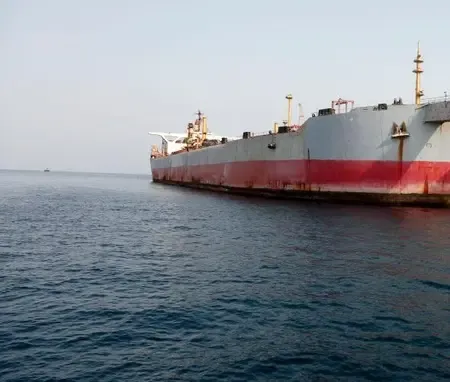
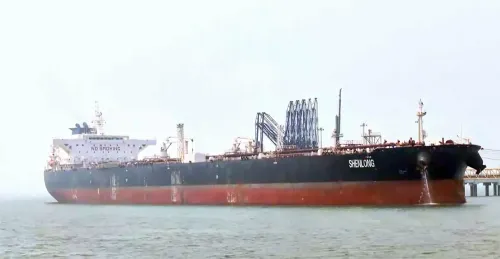
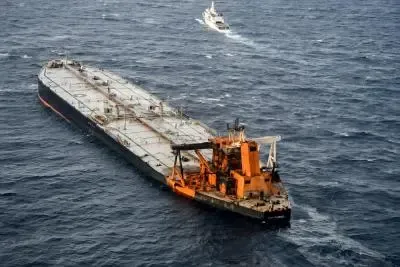
2,922 Indian seafarers repatriated from Gulf; no incidents on Indian vessels
Synopsis
India has quietly mounted one of its largest Gulf welfare operations in recent memory — repatriating over 2,922 seafarers, evacuating 2,490 nationals from Iran via land routes, and managing 17,838+ emails through a dedicated shipping control room. With Iranian airspace still largely closed and regional tensions persisting, the scale of India's diplomatic and logistical response is only now becoming clear.
Key Takeaways
More than 2,922 Indian seafarers have been repatriated from the Gulf region , including 30 in the last 24 hours .
No incidents involving Indian-flagged vessels have been reported in the past 24 hours.
The DG Shipping Control Room has handled 8,335 calls and over 17,838 emails since activation.
The Indian Embassy in Tehran has facilitated the exit of 2,490 Indian nationals from Iran via land border routes.
Iran airspace is partially open only for cargo and chartered flights; Indian nationals advised to leave via land routes.
Port operations across India remain normal , with no congestion reported.
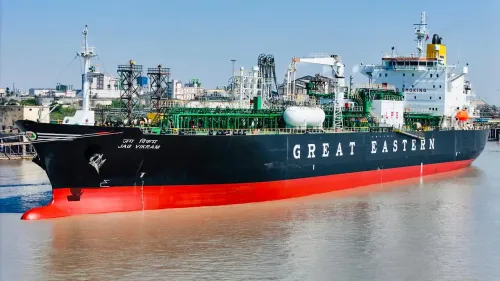
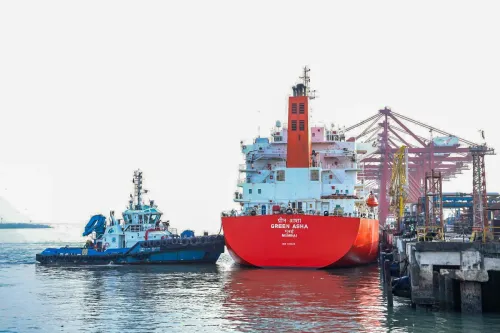
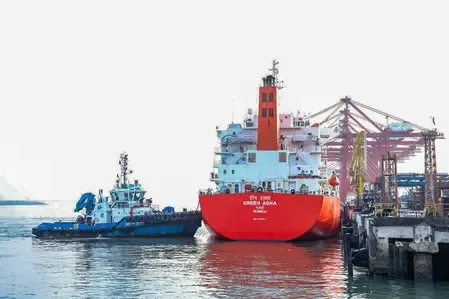
The Indian government on Saturday, 2 May confirmed it has facilitated the safe repatriation of more than 2,922 Indian seafarers from the Gulf region so far, including 30 in the last 24 hours. The Ministry of Ports, Shipping and Waterways stated that no incident involving Indian-flagged vessels has been reported in the region in the past 24 hours.
Seafarer Repatriation and Safety Update
According to the ministry's regular update, all Indian seafarers in the Gulf region are currently safe. The DG Shipping Control Room, activated to monitor the situation, has handled 8,335 calls and more than 17,838 emails since its activation. In the past 24 hours alone, the control room received 67 calls and 144 emails. The Ministry of Ports, Shipping and Waterways continues to coordinate with the Ministry of External Affairs, Indian Missions, and maritime stakeholders to ensure seafarer welfare and uninterrupted maritime operations. Port operations across India remain normal, with no congestion reported at any major port.
Flight Situation and Travel Advisories
The overall flight situation across the Gulf and West Asia region continues to improve, with additional flights now operating to various destinations in India. In the UAE, airlines are operating limited commercial flights between the UAE and India based on operational and safety considerations. Flights are also continuing to operate from airports in Saudi Arabia and Oman to multiple Indian destinations. According to the government, Iraq airspace remains open with limited flight operations to destinations in the region, which can be used for onward travel to India. Iran airspace, however, is only partially open — restricted to cargo and chartered flights. Indian nationals have been advised to avoid travelling to Iran, and those already present in the country are being urged to leave via land border routes with the support of the Indian Embassy in Tehran.
Indian Nationals Evacuated from Iran
The Indian Embassy in Tehran has so far facilitated the movement of 2,490 Indian nationals out of Iran through land border routes. This comes amid a partial closure of Iranian airspace, which has significantly limited commercial flight options for Indian citizens in the country. The Embassy has been actively coordinating safe passage for those seeking to exit.
Diplomatic and Consular Outreach
The Ministry of External Affairs is closely monitoring developments across the Gulf and West Asia region, with a focused effort on the safety, security, and welfare of the Indian community. Updated advisories are being issued regularly, covering local government guidelines, flight and travel situations, consular services, and welfare measures. Indian Missions are actively engaging with resident Indian communities, including interactions with Indian community associations, organisations, professional groups, and Indian companies to address their concerns. This sustained diplomatic engagement reflects the scale of the Indian diaspora across the Gulf, which numbers in the millions and constitutes one of India's largest overseas communities. Notably, this is not the first time India has mounted a large-scale evacuation and welfare operation in the region — past efforts during regional tensions have demonstrated the country's logistical capacity to respond swiftly.
What Comes Next
With flight connectivity gradually improving and land evacuation routes operational from Iran, the government's focus is expected to shift toward ensuring the remaining Indian nationals in high-risk zones can safely return or relocate. Continued monitoring by both the Ministry of External Affairs and the Ministry of Ports, Shipping and Waterways will be critical as the situation in the region evolves.
Point of View
900 seafarers repatriated, nearly 2,500 nationals evacuated from Iran, and a control room fielding nearly 18,000 emails — signals that the regional situation is far more strained than routine diplomatic language suggests. What stands out is the coordination across two ministries and multiple Indian Missions simultaneously, a logistical feat that rarely gets scrutiny. The partial closure of Iranian airspace is a critical detail that could affect thousands more if tensions escalate further. India's ability to sustain this pace of evacuation and welfare response will be the real test in the days ahead.
NationPress
1 Oct 2026
Frequently Asked Questions
How many Indian seafarers have been repatriated from the Gulf region?
As of 2 May, the Indian government has facilitated the safe repatriation of more than 2,922 Indian seafarers from the Gulf region, including 30 in the last 24 hours. No incidents involving Indian-flagged vessels have been reported in the same period.
How many Indian nationals have been evacuated from Iran?
The Indian Embassy in Tehran has facilitated the movement of 2,490 Indian nationals out of Iran through land border routes. Iranian airspace is only partially open for cargo and chartered flights, making land routes the primary exit option.
Is it safe to travel to Iran for Indian nationals?
The Indian government has advised Indian nationals to avoid travelling to Iran. Those already in Iran are being urged to leave via land border routes, with support from the Indian Embassy in Tehran.
What is the flight situation in the Gulf region for Indian nationals?
Flights are operating from the UAE, Saudi Arabia, and Oman to various Indian destinations, though some are limited based on operational and safety considerations. Iraq airspace is open with limited operations that can be used for onward travel to India.
What is the DG Shipping Control Room and what role is it playing?
The DG Shipping Control Room is a dedicated emergency coordination facility activated to monitor and respond to maritime welfare concerns in the Gulf region. It has handled 8,335 calls and over 17,838 emails since activation, including 67 calls and 144 emails in the past 24 hours.