No fuel price hike planned amid West Asia tensions, Centre assures
Synopsis
Despite West Asia tensions rattling global energy markets and partially disrupting India's crude and LPG imports, the Centre has held the line on retail fuel prices — assuring 100% domestic LPG and CNG supply while doubling free-trade cylinders for migrant labourers. The real test comes if the crisis deepens and crude benchmarks stay elevated.
Key Takeaways
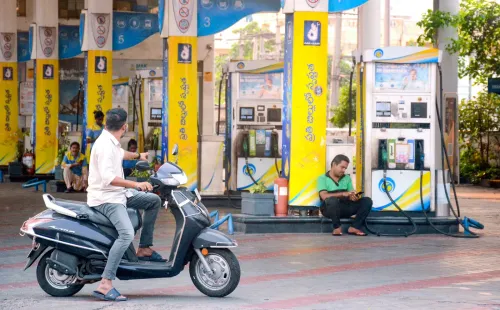
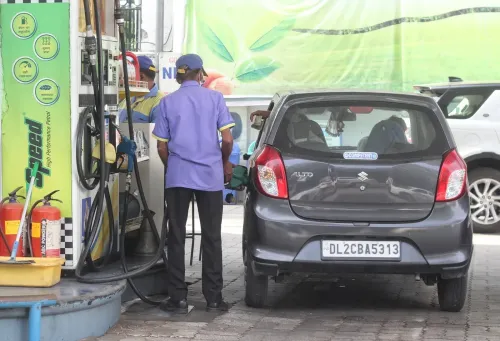
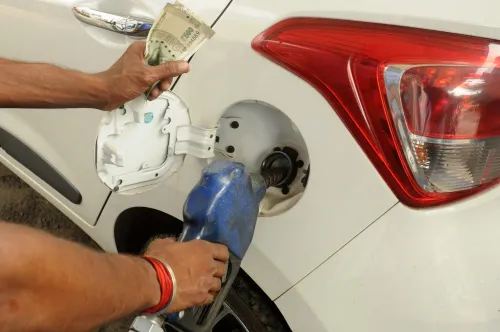
The Centre confirmed on 28 April that there is no proposal to hike retail petrol or diesel prices.
Sujata Sharma , Joint Secretary, Ministry of Petroleum and Natural Gas, said 100% supply of domestic LPG , PNG , and CNG has been ensured.
Commercial LPG availability has been restored to approximately 70 per cent , with priority given to hospitals and educational institutions .
Supply of 5-kg free trade LPG cylinders for migrant labourers has nearly doubled .
India imports over 85 per cent of its crude oil needs, making it vulnerable to West Asia supply disruptions.
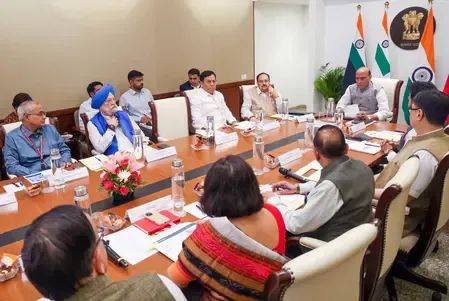
The Centre on Tuesday, 28 April assured citizens that there is no proposal to increase retail fuel prices, even as rising geopolitical tensions in West Asia continue to roil global energy markets. The reassurance came during an inter-ministerial briefing in New Delhi, where officials sought to prevent panic buying and dispel concerns over supply disruptions.
What the Government Said
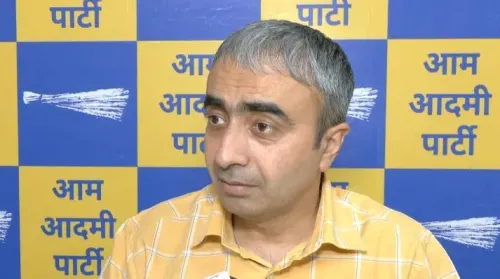
Sujata Sharma, Joint Secretary in the Ministry of Petroleum and Natural Gas, confirmed that petrol and diesel prices will remain unchanged for now. "LPG, petroleum and diesel are available in sufficient amounts, and the prices have not increased, so please do not panic," Sharma stated at the briefing.
She also underscored that the government has ensured 100 per cent supply for domestic LPG and PNG (piped natural gas) consumers, as well as for CNG used in transportation.
Impact of the West Asia Crisis on Imports
Sharma acknowledged that imports of crude oil, liquefied petroleum gas (LPG), and piped natural gas (PNG) have been affected by the ongoing crisis in West Asia. However, she stressed that steps have been taken to ensure minimal disruption to domestic supply chains.
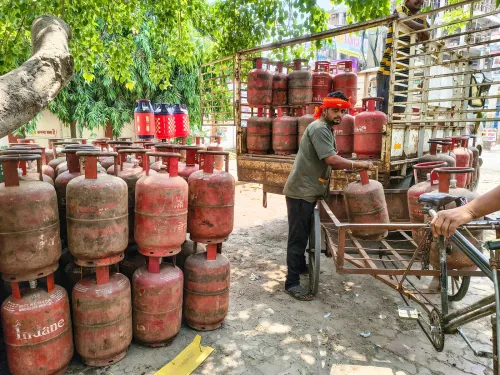
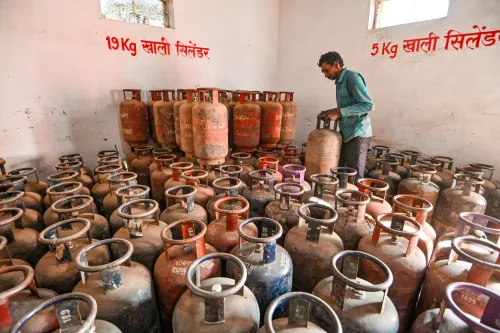
Commercial LPG supplies have been partially impacted, but availability has reportedly been restored to around 70 per cent, with priority given to critical sectors such as hospitals and educational institutions. Essential industries — including pharmaceuticals, steel, seeds, and agriculture — are also being prioritised to prevent major supply bottlenecks, according to officials.
Support for Vulnerable Sections
In a notable measure aimed at protecting lower-income households, the supply of 5-kg free trade LPG cylinders — commonly used by migrant labourers — has nearly doubled, Sharma said. This signals a targeted effort to shield the most economically vulnerable consumers from the indirect effects of the global energy crisis.
The Broader Context
Global oil markets have remained volatile in recent weeks as the conflict in West Asia, a key crude oil-producing region, has introduced fresh uncertainty into energy supply chains. India, which imports over 85 per cent of its crude oil requirements, is particularly exposed to such geopolitical shocks. This is not the first time the government has had to manage domestic fuel price optics during a West Asia flare-up — similar assurances were issued during periods of elevated tensions in prior years.
Officials said the situation is being closely tracked to maintain supply stability. The government's ability to hold retail prices steady will depend significantly on how long the current tensions persist and whether global crude benchmarks remain elevated.
Point of View
Particularly for state-owned oil marketing companies already managing thin margins. The doubling of free-trade LPG cylinders for migrant labourers is a telling detail: it suggests supply stress is real, even if retail prices are being held artificially steady. The harder question — how long the Centre can absorb the cost differential before passing it on to consumers — remains unanswered.
NationPress
24 Sept 2026
Frequently Asked Questions
Will petrol and diesel prices increase due to the West Asia crisis?
The Centre has stated there is no proposal to increase retail petrol or diesel prices as of 28 April. The government says it is monitoring the situation closely to prevent any immediate impact on domestic fuel prices.
Has India's fuel supply been affected by the West Asia tensions?
Imports of crude oil, LPG, and piped natural gas have been partially affected, according to Joint Secretary Sujata Sharma. However, domestic LPG and CNG supply has been maintained at 100%, while commercial LPG availability has been restored to around 70%.
Who is being prioritised for LPG supply during the shortage?
Critical sectors such as hospitals and educational institutions are being given priority. Essential industries including pharmaceuticals, steel, seeds, and agriculture are also being prioritised to avoid supply bottlenecks.
What relief has the government provided to migrant labourers?
The supply of 5-kg free trade LPG cylinders, commonly used by migrant labourers, has nearly doubled as part of efforts to support vulnerable sections of the population during the ongoing supply disruption.
Why is India vulnerable to West Asia energy disruptions?
India imports over 85% of its crude oil requirements, making it significantly exposed to geopolitical shocks in West Asia, which is one of the world's key oil-producing regions.