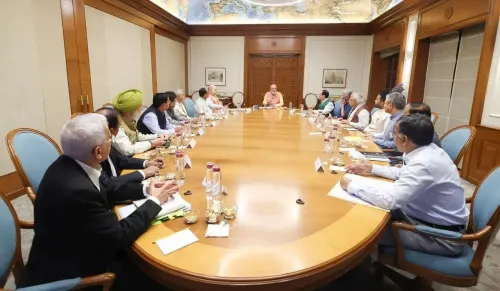
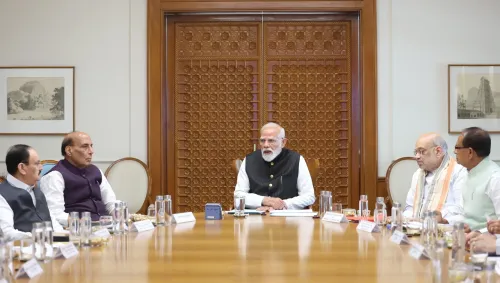
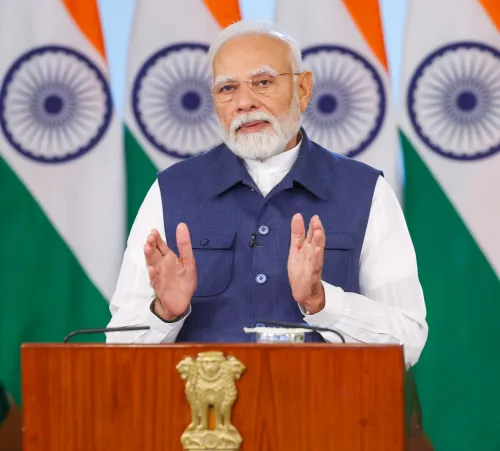
Modi chairs CCS meet on West Asia conflict, directs protection of Indian citizens
Synopsis
With commercial ships under fire in the Middle East and fertiliser supply chains under pressure, Modi's CCS meeting on 30 July went well beyond a routine review — it set in motion a unified government mechanism to shield Indian citizens, secure the Rabi season's fertiliser needs, and protect seafarers in conflict zones, while doubling down on renewables as India's long-term energy hedge.
Key Takeaways
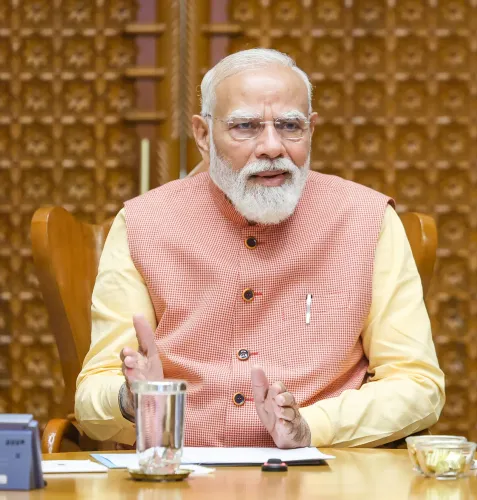
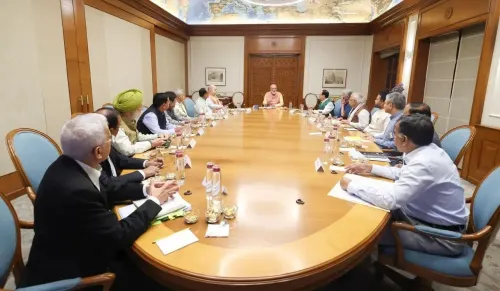
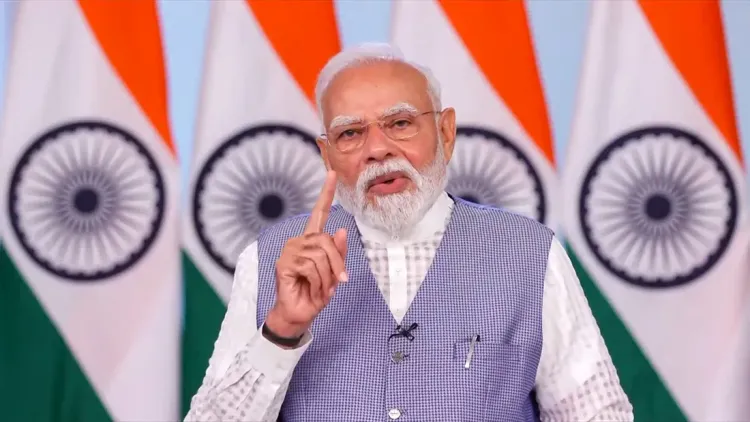
PM Narendra Modi chaired a Cabinet Committee on Security (CCS) meeting on 30 July to review the West Asia conflict 's impact on India.
Modi directed a unified monitoring mechanism for protecting Indian citizens and diaspora from the conflict's adverse effects.
Fertiliser requirement for the upcoming Rabi season was assessed; alternative procurement sources were discussed to ensure uninterrupted supply.
A dedicated mechanism for timely information, emergency assistance, and counselling for Indian seafarers in conflict zones was ordered.
CPSE refineries are operating at over 100 per cent utilisation ; LPG procurement sources have been diversified and overall petroleum stocks remain adequate.
Industrial LPG substitution is being pursued via National Gas Grid expansion , LNG import augmentation , and the Pipeline Infrastructure Order, 2026 .
Prime Minister Narendra Modi on Thursday, 30 July chaired a meeting of the Cabinet Committee on Security (CCS) in New Delhi, issuing firm directions to safeguard the interests of Indian citizens and the country's diaspora amid the escalating West Asia conflict. The meeting reviewed measures across ministries to secure energy supplies, fertiliser availability, and the safety of Indian seafarers operating in conflict-affected waters.
Key Directions from the Prime Minister
Modi directed that a whole-of-government approach be maintained to address the cascading challenges arising from the West Asia crisis. He called for a unified, coordinated monitoring mechanism to ensure swift implementation of protective measures for citizens and the diaspora. The Prime Minister also stressed that all steps be taken to guarantee uninterrupted fertiliser supply ahead of the upcoming Rabi season, with alternative procurement sources explored and assessed during the meeting.
On energy security, Modi underlined that greater emphasis must be placed on renewable energy sources — including solar and other non-fossil-fuel alternatives — to advance India's energy independence in the face of geopolitical volatility.
Seafarer Safety in Focus
The situation of Indian seafarers aboard both domestic and foreign-flagged vessels operating in conflict zones received dedicated attention. This comes in the backdrop of repeated attacks on commercial shipping in the Middle East region. Modi directed that a dedicated mechanism be established to deliver timely information, emergency assistance, and counselling to seafarers and their families — a move that addresses a gap flagged by maritime industry stakeholders.
Energy and Fertiliser Supply Position
The Cabinet Secretary briefed the CCS on the prevailing geo-political situation and the steps taken to maintain adequate stocks of petroleum products, including LNG, LPG, and fertilisers. He noted that LPG procurement sources have already been diversified and that the overall supply position of major petroleum products remains adequate.
Notably, the availability of sufficient crude oil has enabled Central Public Sector Enterprise (CPSE) refineries to operate at utilisation levels exceeding 100 per cent, sustaining continued output of petrol, diesel, and other products. The government has also recorded a substantial increase in Piped Natural Gas (PNG) connections following an active expansion drive.
Industrial Substitution and Gas Grid Expansion
The Cabinet Secretary further outlined ongoing efforts to facilitate industrial substitution of LPG through multiple parallel tracks: expansion of the National Gas Grid, augmentation of LNG imports and regasification infrastructure, growth of City Gas Distribution networks, and time-bound pipeline and last-mile connectivity approvals under the Pipeline Infrastructure Order, 2026. These measures are designed to reduce dependence on imported LPG and build long-term supply resilience.
With the West Asia situation remaining fluid, the Centre has signalled that monitoring will be continuous and response mechanisms will be updated as conditions evolve.
Point of View
000 seafarers active globally; a structured crisis protocol is long overdue, and the conflict has merely accelerated the reckoning.
NationPress
14 Sept 2026
Frequently Asked Questions
Why did PM Modi convene the CCS meeting on 30 July?
PM Modi chaired the Cabinet Committee on Security meeting on 30 July to review the impact of the ongoing West Asia conflict on India's energy supplies, fertiliser availability, and the safety of Indian citizens and seafarers. The meeting aimed to coordinate a whole-of-government response to the crisis.
What steps are being taken to protect Indian seafarers in conflict zones?
The government has been directed to establish a dedicated mechanism providing timely information, emergency assistance, and counselling to Indian seafarers aboard vessels in conflict zones and to their families. This follows a series of attacks on commercial ships in the Middle East region.
How is India managing its fertiliser supply amid the West Asia conflict?
The CCS meeting assessed fertiliser requirements for the upcoming Rabi season and discussed alternative procurement sources to ensure uninterrupted supply. The government has indicated it is actively diversifying sourcing to reduce vulnerability to supply disruptions from the conflict region.
What is the current status of India's energy supply?
According to the Cabinet Secretary's briefing, LPG procurement sources have already been diversified and overall petroleum product stocks remain adequate. CPSE refineries are operating at utilisation levels exceeding 100 per cent, sustaining output of petrol, diesel, and other products.
What is the Pipeline Infrastructure Order, 2026, mentioned in the CCS meeting?
The Pipeline Infrastructure Order, 2026 is a government framework providing time-bound approvals for pipeline projects and last-mile connectivity. It is being used to accelerate industrial substitution of LPG by expanding the National Gas Grid and City Gas Distribution networks across India.