Modi Chairs CCS Meet on West Asia Crisis, Pushes Renewable Energy Shift
Synopsis
PM Narendra Modi chaired a Cabinet Committee on Security meeting on July 31, 2026 to review the West Asia conflict, directing a whole-of-government response and calling for accelerated transition to solar and non-fossil-fuel energy sources to strengthen India's energy independence.
Key Takeaways
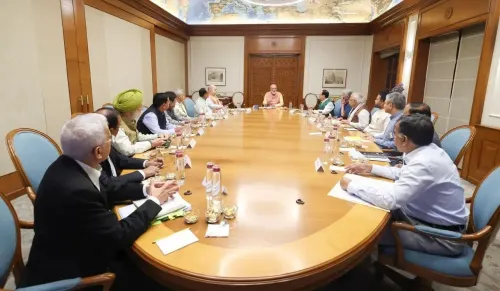
PM Modi chaired a Cabinet Committee on Security (CCS) meeting on July 31, 2026 to review the ongoing West Asia conflict .
The Prime Minister directed that a 'whole of government approach' be maintained to address challenges from the crisis.
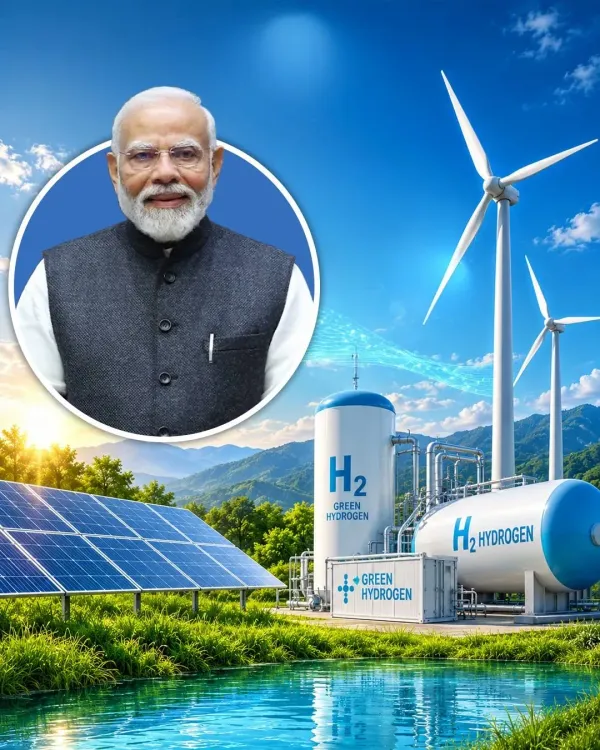
Modi stressed accelerating India's transition to #RenewableEnergy , with particular emphasis on #SolarPower and non-fossil-fuel sources.
India's heavy dependence on West Asian crude oil makes regional conflicts a direct threat to its energy security and economy.
India's Panchamrit strategy, announced at COP26 in 2021 , targets 500 GW of non-fossil fuel capacity by 2030 and net-zero by 2070 .
The CCS directive reframes renewable energy as a national security imperative , not merely a climate commitment.
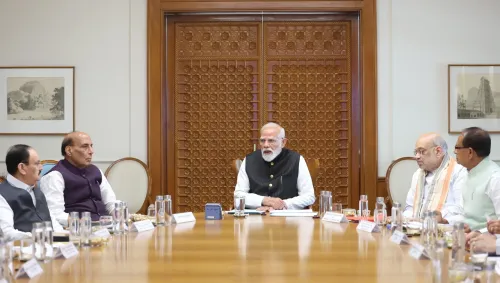
With West Asia in turmoil and India's crude oil lifeline under pressure, Prime Minister Narendra Modi convened a high-stakes Cabinet Committee on Security (CCS) meeting on Friday, July 31, 2026 to assess the evolving conflict — and turned a security review into a declaration of energy intent. Union Consumer Affairs and New and Renewable Energy Minister Pralhad Joshi shared details of the meeting, underscoring that the crisis is being treated as a whole-of-government challenge.
What the CCS Directed — and Why It Matters Now
The Prime Minister directed that a 'whole of government approach' be sustained to tackle challenges arising from the West Asia conflict. That phrase carries weight: it means the response is not siloed within the foreign or petroleum ministries but spans security, diplomacy, supply chains, and energy policy simultaneously.
Modi also used the meeting to reaffirm India's commitment to long-term energy security, specifically stressing the need to accelerate the transition toward #RenewableEnergy, with greater emphasis on #SolarPower and other non-fossil-fuel-based sources. The message was pointed — geopolitical fire abroad should speed up the energy transformation at home.
India's Crude Vulnerability and the West Asia Factor
India imports a substantial share of its crude oil from West Asia, making any sustained conflict in the region a direct economic and strategic threat. Shipping disruptions, price spikes, or supply shortfalls ripple almost immediately into fuel costs, inflation, and the current account deficit — which is why the CCS, India's apex national security body, is the right forum for this conversation.
This is not a new anxiety. Successive Indian governments have watched West Asian instability and responded by doubling down on domestic energy diversification. The difference now is urgency: a live conflict compresses the timeline for decisions that might otherwise take years to mature.
From Panchamrit to Solar Push — The Policy Runway Behind the Directive
India's renewable ambitions already have a formal architecture. At COP26 in 2021, India announced the Panchamrit strategy — targeting 500 GW of non-fossil fuel capacity by 2030 and net-zero emissions by 2070. The National Solar Mission, launched in 2010, laid the early groundwork for large-scale solar capacity addition.
What the CCS directive adds is political momentum: a national security framing that elevates renewable energy from a climate commitment to a strategic imperative. When the Prime Minister links solar power to energy independence inside a security cabinet, it signals that budgets, approvals, and inter-ministerial coordination should move faster.
India has spent over a decade building the policy scaffolding for an energy transition. The conflict in West Asia may be the catalyst that finally forces the pace.
Point of View
This framing is politically deft: it converts a vulnerability (import dependence) into a nationalist narrative (energy independence through solar). The directive also puts pressure on the renewable energy ministry — which Pralhad Joshi heads — to deliver faster capacity addition, making his own post central to executing the PM's security directive. Longer term, the pattern of linking West Asian instability to domestic energy policy suggests India will continue using external shocks as political cover for accelerating reforms that might otherwise face bureaucratic or fiscal resistance.
NationPress
14 Sept 2026
Frequently Asked Questions
What was discussed at the CCS meeting on July 31, 2026?
The Cabinet Committee on Security meeting, chaired by PM Modi, reviewed the evolving situation arising from the ongoing West Asia conflict and directed a whole-of-government approach to manage its challenges, including an accelerated push toward renewable energy.
Why is the West Asia conflict a concern for India's energy security?
India imports a large share of its crude oil from West Asia, so any sustained conflict in the region risks supply disruptions, higher oil prices, and pressure on India's current account deficit — making it a direct national security issue.
What is India's Panchamrit energy strategy?
Announced at COP26 in 2021, India's Panchamrit strategy commits to achieving 500 GW of non-fossil fuel energy capacity by 2030 and reaching net-zero carbon emissions by 2070, with solar power as a central pillar.
What did PM Modi say about solar power at the CCS meeting?
PM Modi stressed accelerating India's transition toward renewable energy, with greater emphasis on solar power and other non-fossil-fuel-based sources, framing it as essential to strengthening the nation's long-term energy independence.
What is the Cabinet Committee on Security?
The Cabinet Committee on Security is India's apex body for national security decisions, chaired by the Prime Minister and attended by key cabinet ministers responsible for defence, home, external affairs, and finance.