PM Modi Calls for Comprehensive Measures to Protect Citizens Amid West Asia Conflict
Synopsis
As the West Asia conflict continues to unfold, Prime Minister Modi emphasizes the urgent need for unified governmental efforts to safeguard citizens. This article covers key discussions and measures proposed in a recent Cabinet Committee on Security meeting.
Key Takeaways
Unified government action is crucial in response to the West Asia conflict.
Coordination with state governments is essential to prevent hoarding and black-marketing.
Immediate and long-term strategies are being discussed to ensure food and energy security.
Alternative sources for fertilizers are being explored.
Plans to diversify import sources and develop new export markets are underway.
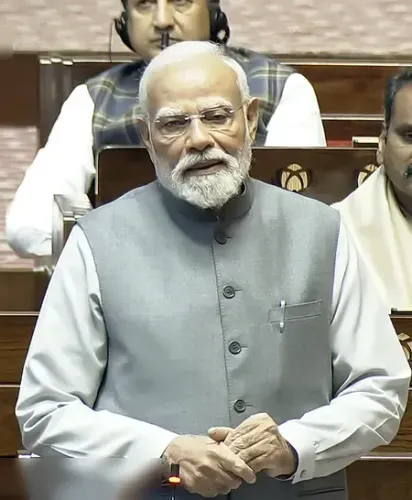
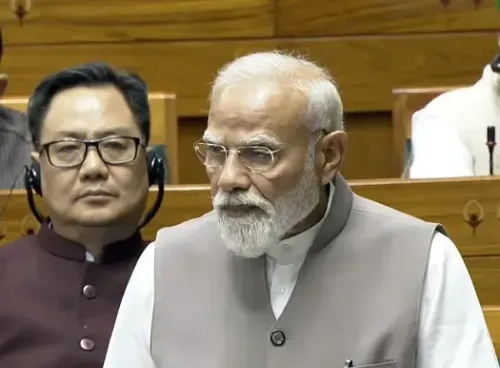
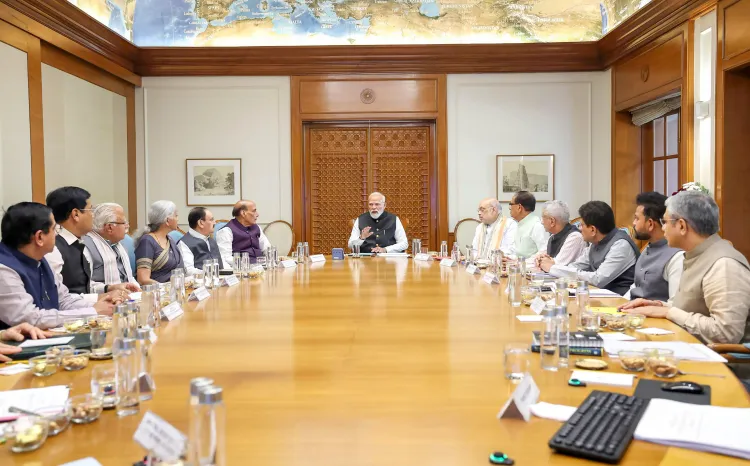
New Delhi, March 22 (NationPress) Prime Minister Narendra Modi emphasized on Sunday the urgent need to take all possible measures to protect citizens from the repercussions of the ongoing West Asia conflict. He urged that all governmental bodies collaborate effectively to minimize the disruption experienced by the populace.
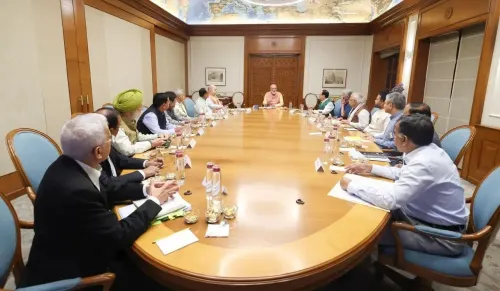
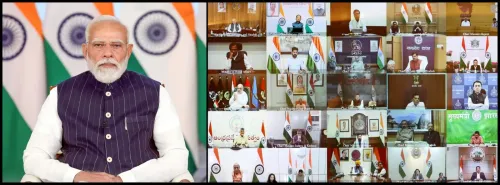
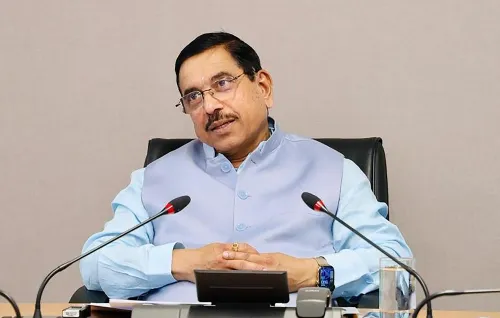
During a meeting of the Cabinet Committee on Security (CCS), PM Modi reviewed the unfolding situation and the current and planned measures aimed at alleviating the impact of the West Asia conflict.
The Prime Minister stressed the importance of coordination with state governments to prevent black-market activities and the hoarding of essential goods.
He mandated the formation of a dedicated group comprising ministers and secretaries to adopt a 'whole of government approach.'
Additionally, PM Modi called upon sector-specific teams to engage with all relevant stakeholders in their efforts.
He acknowledged that the conflict is evolving and is affecting the entire globe in different ways. Coordination with state governments was reiterated to avoid black-marketing and hoarding of key commodities.
During the meeting, the Cabinet Secretary provided an extensive overview of the global scenario and the measures taken and planned by various Ministries and Departments of the Government of India.
Discussions included the expected impacts and strategies across various sectors such as agriculture, fertilizers, food security, petroleum, power, MSMEs, exporters, shipping, trade, finance, and supply chains, as well as an overall assessment of the country's macroeconomic landscape.
An official statement indicated that the ongoing conflict in West Asia is poised to have significant short, medium, and long-term effects on the global economy. The impact on India was evaluated, and both immediate and long-term countermeasures were discussed.
Furthermore, a thorough assessment of the availability of critical supplies for the public, including food, energy, and fuel security, was conducted. Strategies for ensuring the uninterrupted availability of essential items were deliberated.
The implications for farmers, particularly regarding fertilizer needs for the Kharif season, were assessed. Measures implemented in recent years to maintain sufficient fertilizer stocks will guarantee timely access and food security.
Notably, alternative sources of fertilizers were considered to ensure sustained availability in the future. It was also confirmed that adequate coal supplies at power plants will prevent electricity shortages in India.
In addition, several strategies were discussed to diversify import sources for chemicals, pharmaceuticals, petrochemicals, and other industrial sectors. New export markets for Indian products will also be developed shortly.
Point of View
The situation in West Asia requires proactive measures from the Indian government. The unified response and commitment to safeguarding citizens' interests reflect a nation-first approach in navigating this complex international conflict.
NationPress
24 Sept 2026
Frequently Asked Questions
What measures is the Indian government taking to address the West Asia conflict?
The Indian government is coordinating with state governments to prevent black-market activities and hoarding, while also discussing strategies for essential supplies and food security.
How does the West Asia conflict affect India?
The ongoing conflict is expected to have significant impacts on the global economy, which in turn affects India through supply chains and essential commodities.
What sectors are being monitored for the impact of the conflict?
Key sectors include agriculture, fertilizers, food security, petroleum, power, and MSMEs, among others.
What are the government’s plans regarding fertilizer supply?
The government is ensuring adequate fertilizer stocks for the Kharif season, exploring alternative sources, and maintaining timely availability.
Will there be any electricity shortages due to this conflict?
The government has confirmed that sufficient coal supplies at power plants will prevent any electricity shortages in India.