Government Forms Ministerial Panel to Address West Asia Conflict's Impact: Joshi
Synopsis
As tensions rise in West Asia, the Indian government is taking proactive measures to mitigate potential fallout on the country. Prime Minister Narendra Modi has convened a ministerial panel to ensure food security and manage essential commodity supplies amid the crisis.
Key Takeaways
Ministerial panel formed to address West Asia conflict's impact.
Focus on food security and essential commodity supplies.
Prime Minister Modi emphasizes vigilance and proactive measures .
Coordination with state governments for timely interventions.
Monitoring of critical sectors such as agriculture and energy .
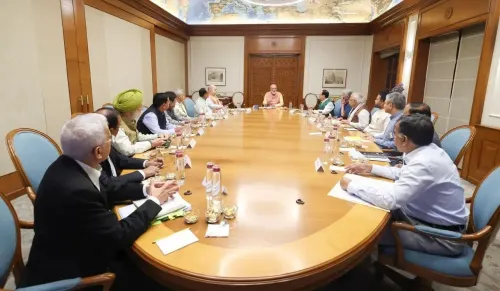
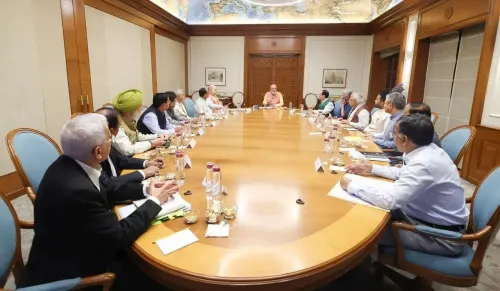
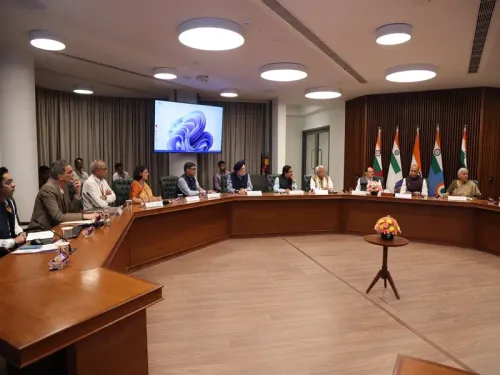
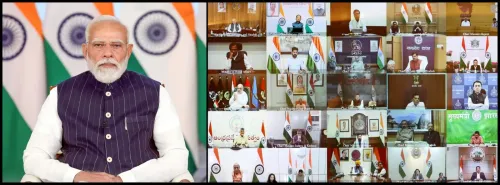
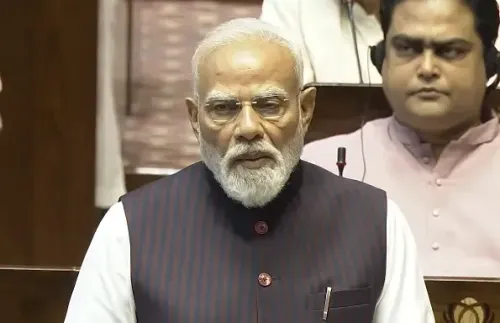
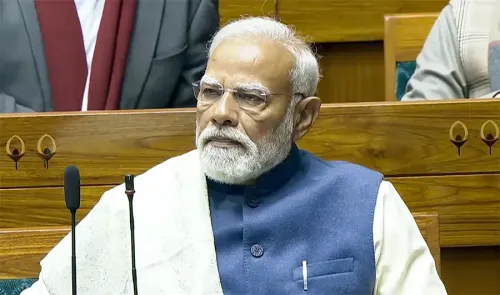
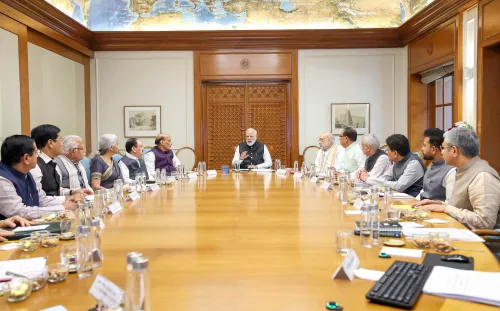
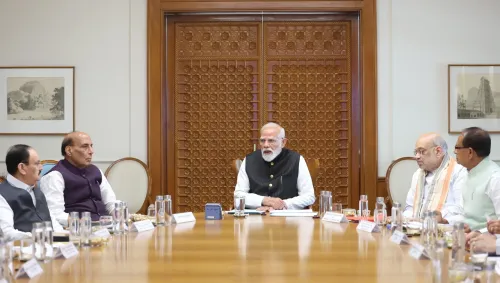
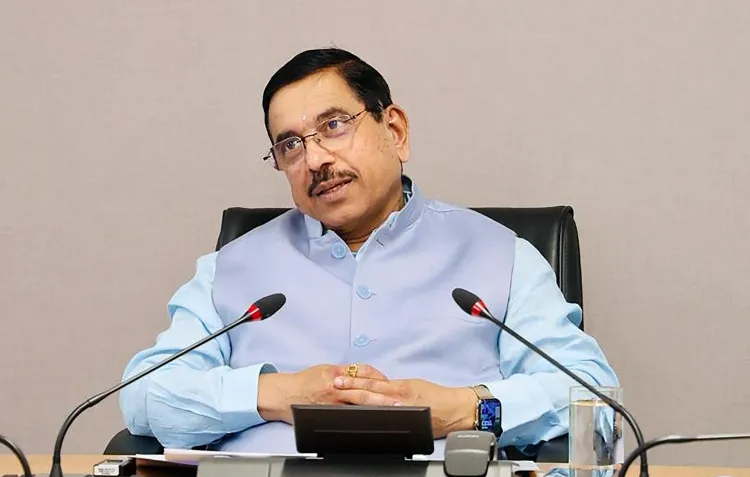
New Delhi/Bengaluru, March 23 (NationPress) In light of the intensifying conflict in West Asia, the Central government has heightened its surveillance of the situation's potential repercussions on India. Prime Minister Narendra Modi convened an emergency meeting of the Union Cabinet Committee on Sunday night, as reported by Union Minister for Food, Public Distribution, and Consumer Affairs, Pralhad Joshi.
Union Minister Joshi issued a press release regarding this matter.
"The Prime Minister engaged in thorough discussions with senior ministers and key officials to ensure the availability of essential commodities, uphold food security, and protect vital economic sectors. A dedicated team of senior ministers, including Union Food and Civil Supplies Minister Pralhad Joshi, has been established to oversee this situation," the statement detailed.
"During the meeting, the Prime Minister assessed the current circumstances and contemplated the possible future effects of the conflict on India. He also explored contingency measures and alternative strategies to safeguard public interests," Joshi explained.
The Cabinet Secretary provided an overview of global developments and the initiatives undertaken by various ministries. Topics of discussion spanned critical areas such as agriculture, fertilizers, food security, petroleum, power, MSMEs, exports, transport, trade, and finance, focusing on both challenges and strategies for mitigation, he noted.
With the kharif season approaching, the government evaluated the availability and supply of fertilizers, especially considering global disruptions. The Prime Minister also scrutinized stock levels and investigated alternative sourcing options, he revealed.
Food security remained a major emphasis, with Prime Minister Narendra Modi engaging in detailed discussions with Pralhad Joshi regarding the timely availability of food grains and essential items. The measures to ensure consistent supply and protect consumer interests were reviewed, as stated in the release.
The Prime Minister expressed assurance that there would be no power shortages, citing adequate coal reserves at power plants and an increase in renewable energy production. He underscored India's advancements in solar, wind, and green energy as significant assets for the power sector, Joshi mentioned.
The Prime Minister also advocated for diversifying import sources for sectors like chemicals, pharmaceuticals, petrochemicals, and industries. He emphasized the necessity of exploring new export markets to enhance the global reach of Indian goods, he added.
To facilitate coordinated action, the Prime Minister instructed the establishment of specialized teams comprising ministers and departmental secretaries dedicated to national security, defense preparedness, food supply, and essential commodities, Joshi stated.
Expressing concern over the escalating conflict and its worldwide implications, Prime Minister Narendra Modi urged all departments to maintain vigilance and proactively protect citizens' interests, Joshi informed.
He further directed officials to monitor markets closely to prevent artificial shortages and hoarding of essential goods, and to collaborate with state governments for timely interventions as needed, Joshi concluded.
Point of View
The government aims to safeguard food security and manage essential supplies, reflecting a nation-first approach during a critical time.
NationPress
20 Sept 2026
Frequently Asked Questions
What prompted the Indian government to form a ministerial panel?
The escalating conflict in West Asia and its potential impact on India prompted the government to form a ministerial panel to ensure food security and manage essential commodity supplies.
Who is leading the ministerial panel?
Union Minister for Food, Public Distribution, and Consumer Affairs, Pralhad Joshi, is part of the high-level team established to manage the situation.
What sectors are being monitored by the government?
The government is monitoring sectors such as agriculture, fertilizers, food security, petroleum, power, MSMEs, exports, transport, trade, and finance.
What measures are being taken to ensure food security?
The government is ensuring the timely availability of food grains and essential items while preventing hoarding and artificial shortages.
How is the government addressing energy supply concerns?
The Prime Minister has assured that there will be no power shortages due to sufficient coal stocks and increased renewable energy generation.