Escalating West Asia Tensions: Potential Trade and Energy Supply Disruptions, Warns Assocham
Synopsis
Assocham warns that escalating tensions in West Asia could disrupt global trade and energy supplies critical for India. The organization emphasizes the economic repercussions of prolonged conflict on India's imports and exports.
Key Takeaways
Prolonged conflict in West Asia could disrupt global trade.
India's energy supplies are heavily reliant on the Gulf region.
Strait of Hormuz is a critical maritime chokepoint for oil and LNG.
Increased fuel prices could negatively impact manufacturing costs.
Indian diaspora in the Gulf contributes significantly to remittances.
New Delhi, March 10 (NationPress) Assocham issued a warning on Tuesday that a drawn-out conflict in the West Asia region, particularly with the rising tensions among the United States, Israel, and Iran, could severely impact global trade and jeopardize India's energy imports and export activities.
The leading industry association emphasized that India's economy is intricately tied to West Asian supply chains and heavily depends on the Gulf region as a primary destination for its exports.
The Middle East continues to be a pivotal provider of crude oil, liquefied natural gas (LNG), petrochemicals, fertilizers, and aluminum.
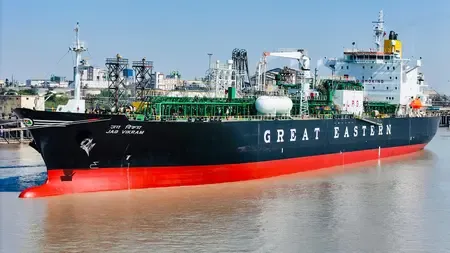
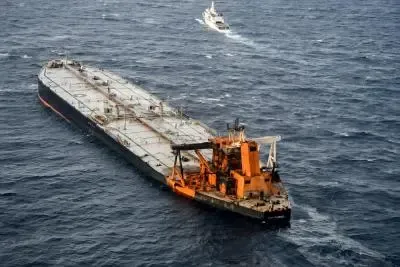
As highlighted by Assocham, one significant concern amid the ongoing Israel-Iran conflict is the possible disruption of oil and gas transport through the Strait of Hormuz, a vital shipping lane accounting for nearly 20% of the global oil supply and a considerable portion of international LNG trade.
Any extended disruption of shipping routes could lead to soaring global fuel prices, the organization warned. It also pointed out that energy is a crucial component for manufacturing and logistics, and increased prices could inflate costs across international supply chains.
Considering India’s substantial reliance on imported crude oil, a spike in global oil prices could exacerbate the current account deficit, elevate inflationary pressures, and hinder economic growth prospects.
Assocham's President, N.K. Minda, remarked that the Gulf region plays an essential role not only in goods trade but also as a hub for the Indian diaspora.
"The Gulf region is home to a significant portion of the Indian diaspora engaged in sectors like construction, healthcare, hospitality, and tourism. According to the Reserve Bank of India’s Remittances Survey for 2023-24, the UAE accounted for 19.2% of India’s total inward remittances. Countries involved in this conflict are vital channels for Indian remittances," Minda stated.
Assocham Secretary General Col. Saurabh Sanyal added that West Asia remains a crucial supplier of essential goods to India.
"In 2025, India’s imports from the region reached approximately $98.7 billion, encompassing critical resources like energy, fertilizers, and industrial inputs. Energy-intensive sectors are likely to face significant challenges. In a time of heightened volatility in global trade and tariff uncertainties, such developments negatively impact trade predictability, stability, and long-term business confidence," he said.
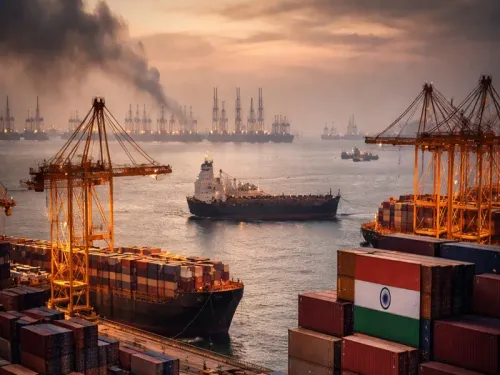
The organization also noted that disruptions to maritime routes in the Gulf have already caused delays in container shipments and deliveries across various parts of the globe.
Given India's dual role as both a supplier to and importer from the conflict-affected region, industries such as gems and jewelry, pharmaceuticals, electronics, petroleum products, and agricultural goods could encounter ramifications if the conflict persists.
Assocham pointed out that numerous containers currently stranded at Indian ports are reportedly being redirected for domestic sales of goods due to shipping interruptions.
Furthermore, the chamber welcomed the government's initiative to establish an Inter-Ministerial Group (IMG) for Supply Chain Resilience to monitor developments in Iran and the broader region and evaluate their impact on India’s trade.
Point of View
The situation in West Asia presents significant challenges for global trade and energy supplies, particularly for nations like India that rely heavily on imports from this region. As tensions rise, the potential for disruption to vital shipping routes like the Strait of Hormuz raises serious concerns about economic stability and growth prospects.
NationPress
17 Sept 2026
Frequently Asked Questions
How could the West Asia conflict affect India?
The ongoing conflict could disrupt crucial trade routes and energy supplies, potentially leading to increased prices and economic instability for India.
What role does West Asia play in global energy supplies?
West Asia is a key supplier of crude oil, LNG, and other essential commodities, making it vital for global energy markets.
What are the implications of disruptions in the Strait of Hormuz?
Disruptions in this critical maritime chokepoint could lead to significant increases in global fuel prices and impact trade stability.
How do remittances from the Gulf region affect India?
The Gulf region is an important source of remittances for India, with countries like the UAE contributing significantly to the total inward remittances.
What measures is the Indian government taking to address these issues?
The government has formed an Inter-Ministerial Group (IMG) for Supply Chain Resilience to monitor developments and assess their impact on trade.