IMF: Global Economy Faces Unique Challenges from US-Israel-Iran Conflict
Synopsis
The IMF has warned that the ongoing US-Israel and Iran conflict could reshape the global economy, leading to increased prices and slower growth. The ramifications are felt unevenly across energy-importing nations, particularly in poorer regions.
Key Takeaways
Ongoing conflict may lead to higher prices and slower growth.
Energy-importing nations are at greater risk.
Low-income countries are particularly vulnerable to food insecurity.
Policy measures must be tailored to each country's needs.
Financial markets are reacting with increased volatility.
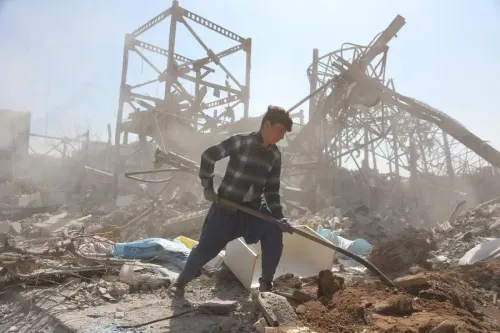
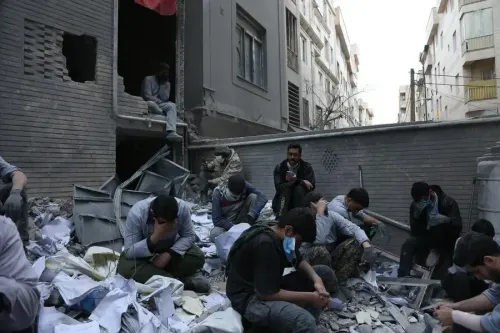
New Delhi, March 31 (NationPress) The International Monetary Fund (IMF) has indicated that the ongoing conflict between the US and Israel against Iran may significantly influence the global economy in various ways, primarily leading to increased prices and slower economic growth.
The IMF highlights that the Middle East turmoil is disrupting lives and livelihoods both regionally and globally.
“This conflict is also clouding the economic outlook for many nations that had recently begun to show signs of recovery from earlier crises. The repercussions are global but unevenly distributed. Energy-importing countries face greater risks than exporters, while poorer nations are more vulnerable than wealthier ones, and those with limited financial buffers are more at risk compared to those with substantial reserves,” the organization stated in a blog post.
Countries in Asia and Europe that heavily rely on energy imports are experiencing severe impacts from rising fuel and input costs. Approximately 25 to 30 percent of global oil and 20 percent of liquefied natural gas transit through the Strait of Hormuz, fulfilling demand in both Asia and parts of Europe.
Economies in Africa and Asia that are heavily reliant on oil imports are struggling to secure necessary supplies, even at elevated prices, according to the IMF.
“Regions in the Middle East, Africa, Asia-Pacific, and Latin America are additionally burdened by soaring food and fertilizer costs, coupled with stricter financial conditions. Low-income nations are particularly at risk for food insecurity; some may require increased external assistance, despite a decline in such support,” it warned.
A brief conflict could lead to a spike in oil and gas prices before the market stabilizes, while a prolonged conflict could maintain high energy prices and further strain import-dependent nations.
“The widespread impact is evident. Energy-importing nations in Africa, the Middle East, and Latin America are feeling the pressure from increased import costs, all while operating within constrained fiscal spaces and external reserves,” it added.
In major manufacturing hubs in Asia, escalating fuel and electricity expenses are driving up production costs and diminishing consumers' purchasing power; in some regions, balance-of-payments challenges are already affecting currencies.
In Europe, the crisis is reviving fears reminiscent of the 2021-22 gas crisis, with countries like Italy and the United Kingdom particularly exposed due to their dependence on gas-fired power, while France and Spain enjoy a degree of protection thanks to their reliance on nuclear and renewable energy.
The conflict is also altering supply chains for essential goods beyond energy.
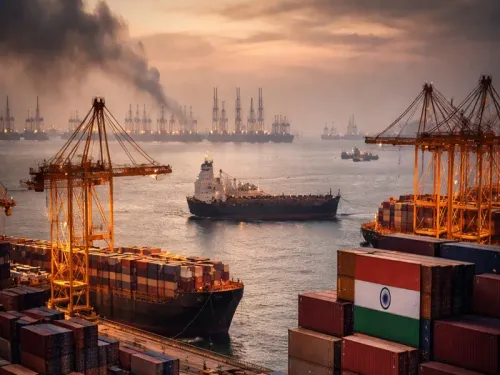
Rerouting ships and tankers is increasing freight and insurance costs and extending delivery timelines. Disruptions in air traffic around key Gulf hubs are affecting global tourism and complicating trade, noted the IMF.
The Gulf region supplies a significant portion of the world’s helium, utilized in a wide range of products including semiconductors and medical imaging equipment.
Indonesia, which contributes about half of the global nickel supply—an essential element in electric vehicle batteries—might face a shortage of sulfur required for metal processing.
Eastern African nations that rely on trade and remittances from Gulf states are encountering decreased demand for their service exports, logistical challenges, and a drop in remittances.
If high energy and food prices persist, they will trigger inflation globally, the IMF cautioned.
Lastly, the ongoing conflict has unsettled financial markets. Global stock indices have dropped, bond yields have surged in major advanced economies and numerous emerging markets, and volatility has escalated. Although the sell-off so far has been less severe compared to previous global disturbances, these developments have tightened financial conditions worldwide.
“To navigate this shock and sustain resilience, it is crucial that countries implement suitable policies. Strategies need to be meticulously tailored to each country’s specific circumstances. Nations with limited reserves and constrained fiscal flexibility should exercise particular caution,” the IMF remarked.
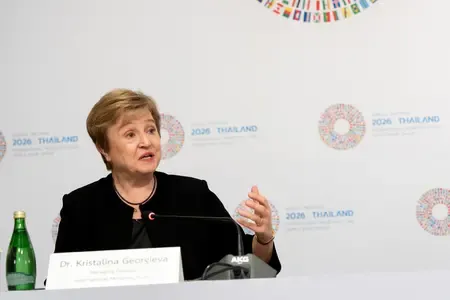
As Managing Director Kristalina Georgieva has stated, “In an unpredictable world, a growing number of nations require our support. We stand ready to assist them.”
Point of View
Particularly the conflict involving the US, Israel, and Iran, is poised to significantly impact economic stability worldwide. The IMF's assessment underscores the need for strategic policy measures tailored to each nation's unique challenges.
NationPress
16 Sept 2026
Frequently Asked Questions
How does the US-Israel-Iran conflict affect global prices?
The conflict is expected to lead to higher prices due to disruptions in supply chains and increased fuel costs, affecting economies globally.
What areas are most impacted by the conflict according to the IMF?
Energy-importing countries, especially those in Africa and Asia, are most vulnerable, facing higher import costs and food insecurity.
What should countries do to manage the economic impact?
Countries should adopt tailored policies to navigate the economic challenges, especially those with limited reserves.
How could a prolonged conflict affect the economy?
A prolonged conflict could maintain high energy prices and strain countries reliant on imports, leading to broader economic challenges.
What is the IMF's stance on the need for support?
The IMF emphasizes the growing need for support among nations facing economic difficulties amidst the crisis.