IMF Warns of Global Oil Crisis Impacting Growth and Inflation

Synopsis
A looming oil crisis tied to the Middle East conflict threatens to disrupt economic growth and fuel inflation in energy-importing nations, warns IMF chief Kristalina Georgieva. With significant drops in oil and LNG supplies, the effects are already visible across various sectors.
Key Takeaways
Global oil supply has dropped by 13% and LNG supply by 20%.
The price of Brent crude oil peaked at $120 per barrel.
Fuel shortages are affecting transportation and tourism .
Over 360 million people may face food insecurity due to supply disruptions.
Governments must avoid policies that could worsen economic conditions.
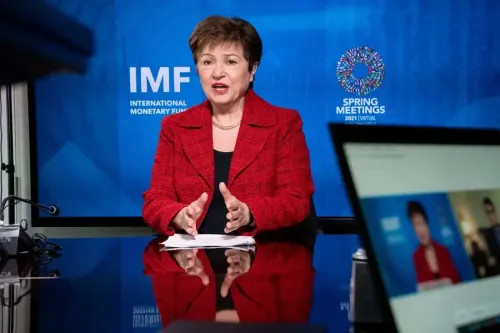
Washington, April 9 (NationPress) The International Monetary Fund (IMF) Managing Director Kristalina Georgieva has cautioned that a global oil crisis stemming from the ongoing conflict in the Middle East is poised to negatively impact growth and escalate inflation in countries reliant on energy imports.
During her keynote address preceding the IMF's Annual Spring Meeting, Georgieva highlighted that the disruptions have resulted in a 13% reduction in the global daily oil supply and a 20% decline in liquefied natural gas (LNG) availability, causing a widespread surge in energy prices and supply chain challenges.
“As is typical, a negative supply shock drives prices higher,” the IMF Chief remarked, observing that the price of Brent crude oil surged from $72 per barrel prior to the conflict to a peak of $120.
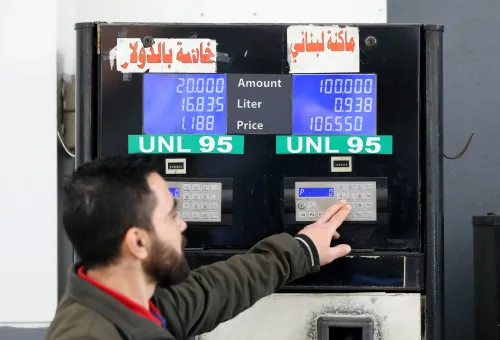
Although prices have recently softened, they remain significantly elevated compared to pre-conflict levels, with many nations facing high fuel premiums.
Georgieva characterized the shock as global, yet its effects are unevenly distributed. Nations dependent on imported energy are projected to experience the most severe consequences, while exporters less affected by the disruptions may suffer minimal harm.
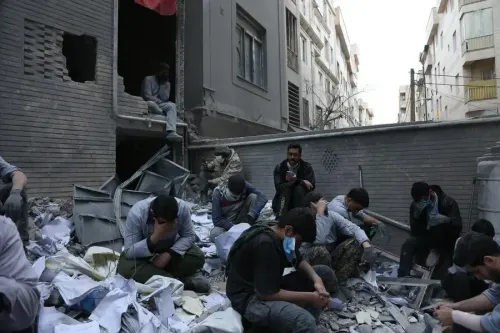
The repercussions are already evident across various sectors. Diesel and jet fuel shortages, along with refinery interruptions, have adversely impacted transportation, trade, and tourism.
Furthermore, food insecurity is on the rise, with Georgieva warning that an additional 45 million people may face hunger due to these supply disruptions, pushing the global total beyond 360 million.
Georgieva explained that the shock operates through three primary channels: increased prices and shortages, rising inflation expectations, and stricter financial conditions.
“The escalating costs of essential inputs contribute to higher consumer goods prices, driving inflation,” she noted, emphasizing that uncontained expectations could “trigger a costly inflationary cycle.”
Financial markets have responded with widening spreads in emerging market bonds, shifts in equity prices, and a stronger dollar, although some easing has been observed.
“Despite earlier momentum fueled by robust technology investments and favorable financial conditions, the IMF now anticipates a decline in global growth,” Georgieva stated.
“Even our most optimistic projections suggest a downgrade in growth forecasts,” she added, attributing this to infrastructure damage, supply chain disruptions, and diminishing confidence.
Concerns remain regarding energy infrastructure damage. For instance, Qatar's Ras Laffan complex, responsible for 93% of the Gulf's LNG, is currently offline and could take three to five years to return to full operational capacity.
Georgieva pointed out that over 80% of countries are net oil importers, making them particularly vulnerable to prolonged price shocks, especially those with limited fiscal flexibility.
She urged governments to refrain from implementing policy measures like export controls or price caps that could exacerbate global conditions. “Don't add fuel to the fire,” she cautioned.
Central banks must prioritize price stability and be prepared to act if inflation expectations become unanchored, while fiscal support should be “targeted and temporary,” she added.
The IMF predicts that the demand for balance-of-payments support could rise to between $20 billion and $50 billion in the near future, depending on the evolution of the conflict.
Point of View
The IMF's warnings highlight a critical intersection of geopolitics and economics, emphasizing the need for proactive measures to safeguard vulnerable economies. The repercussions of the oil shock extend beyond mere numbers, affecting livelihoods and food security on a global scale.
NationPress
20 Sept 2026
Frequently Asked Questions
What is causing the current oil shock?
The oil shock is primarily linked to the ongoing conflict in the Middle East, which has disrupted global oil and liquefied natural gas (LNG) supplies.
How much has global oil supply decreased?
The world’s daily oil supply has been reduced by approximately **13%** due to the disruptions.
What impact does the IMF predict on global growth?
The IMF anticipates a decline in global growth, as earlier momentum is overshadowed by the economic impacts of the oil crisis.
How many people could face food insecurity due to this crisis?
An additional **45 million people** could face hunger, bringing the total globally to over **360 million**.
What should governments avoid in response to the crisis?
Governments should avoid implementing export controls or price caps, which could worsen global economic conditions.