IMF Signals Significant Global Economic Disruption Due to Iran Conflict
Synopsis
The IMF has issued a serious warning about the economic fallout from the Iran war, predicting global energy supply disruptions and rising prices that may persist into next year. With severe impacts on vulnerable nations, the situation calls for immediate policy attention.
Key Takeaways
Global Economic Shock: The Iran war has triggered significant economic fallout affecting global energy supplies.
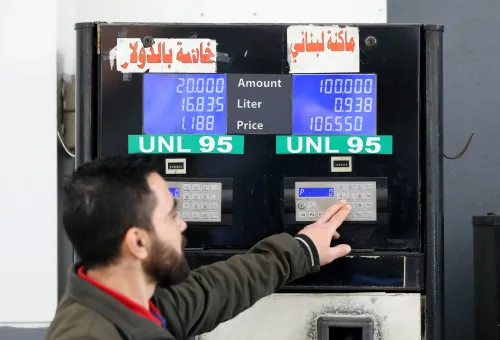
Energy Disruptions: A substantial percentage of oil and gas supplies are disrupted, leading to price increases.
Vulnerable Nations: Countries reliant on energy imports are suffering the most, with poorer nations facing severe strains.
Long-term Effects: The repercussions of the conflict are expected to persist, impacting recovery timelines.
Policy Recommendations: The IMF urges careful policymaking to support vulnerable populations during this crisis.
Washington, April 12 (NationPress) The International Monetary Fund (IMF) has issued a stark warning that the ongoing conflict in Iran has initiated a significant global economic shock. This situation is causing severe disturbances in energy supplies and escalating prices across the world, with effects anticipated to persist into the next year.
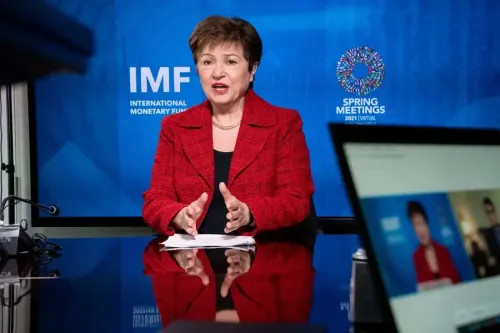
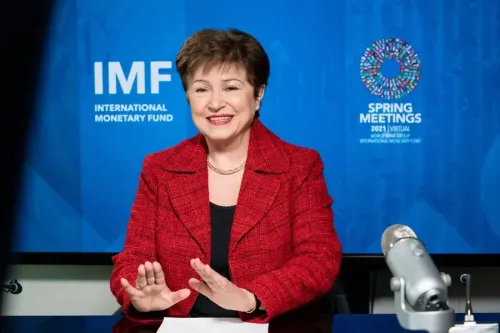
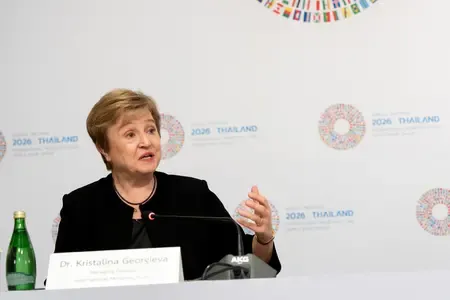
Kristalina Georgieva, the Managing Director of the IMF, emphasized that the extent and longevity of the disruption will be crucial in assessing the long-term consequences. However, she noted that the repercussions are already being felt widely.
“This shock is considerable,” Georgieva stated during an interview with CBS News’ Face the Nation. She highlighted that “13 percent of oil and 20 percent of gas that should have circulated globally is currently stranded for over five weeks,” illustrating the magnitude of the supply crisis.
The impact of this situation is both global and uneven, affecting various nations differently. “Energy is essential for everyone, and the rise in prices is being felt across the board… but the impact is not uniform. Certain countries are suffering more severely,” she explained.
Nations that rely heavily on energy imports or are situated close to the conflict zone are experiencing the most significant challenges, while poorer countries with limited resources are facing the harshest strains.
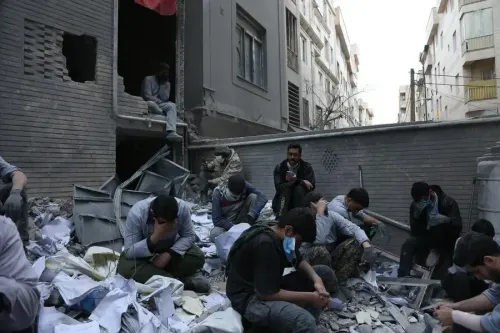
Georgieva pointed out that the shock is already reverberating across multiple sectors, impacting fuel availability, fertilizer supplies, transportation, and remittances. “People are in distress,” she remarked, noting shortages in several areas. “They are suffering from a lack of necessary resources.”
She mentioned increasing pressure in Asia, where energy rationing and supply shortages have hindered economic activities, warning that rising fertilizer costs could lead to increased global food prices.
Furthermore, Georgieva cautioned that even a ceasefire would not bring immediate relief. “The repercussions are already set in motion,” she explained, pointing out that delayed shipments and damage to infrastructure would continue to burden the global economy.
She added that some critical energy production facilities might take years to recover fully, stating, “It may take three to five years to regain full capacity,” in reference to the damaged gas infrastructures.
In the United States, Georgieva noted that the effects have been relatively mild compared to other regions, but she warned that rising prices could hinder efforts to control inflation. “Everyone is feeling the strain of increasing prices,” she stated, emphasizing that this situation acts like “a tax on their income,” especially impacting low-income households.
The IMF had previously projected global growth to rebound in 2026, but the ongoing war is likely to necessitate a downgrade in forecasts, depending on how protracted the conflict becomes and how swiftly production can bounce back.
This crisis unfolds against a backdrop of multiple global shocks in recent years, yet the world economy has demonstrated resilience thus far.
Simultaneously, she urged policymakers to tread carefully, advising governments to refrain from imposing fuel trade restrictions and to offer targeted assistance to vulnerable populations. “Support those most in need… and ensure it is temporary,” she stated.
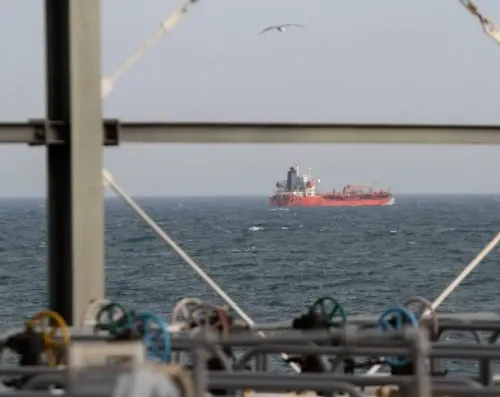
The conflict has disrupted one of the world’s critical energy corridors, exacerbating its economic repercussions across continents. Georgieva indicated that this episode could spur longer-term transformations, including enhanced energy diversification and efficiency, although she cautioned that such adjustments would require time. “In the interim, both individuals and businesses will continue to face challenges,” she concluded.
Point of View
The IMF's insights highlight the urgent need for strategic policy responses to mitigate the impact on vulnerable populations and ensure economic stability.
NationPress
7 Oct 2026
Frequently Asked Questions
What did the IMF say about the impact of the Iran war?
The IMF warned that the Iran war has triggered a large global economic shock, disrupting energy supplies and raising prices worldwide, with effects expected to last into the following year.
How has the conflict affected oil and gas supplies?
According to the IMF, 13 percent of oil and 20 percent of gas that should have been distributed globally are currently stranded due to the conflict.
Which countries are most affected by the energy disruptions?
Countries heavily reliant on energy imports or located near the conflict zone are facing the most severe challenges, while poorer nations with limited resources are under significant strain.
What are the broader economic implications of the disruptions?
The disruptions are affecting various sectors, including fuel availability, fertilizer supplies, transportation, and remittances, leading to increased prices and economic stress globally.
What should policymakers do in response to the situation?
The IMF advises governments to avoid fuel trade restrictions and to provide targeted support to vulnerable populations to alleviate the economic impact.