US-Iran war drives oil prices up, Strait of Hormuz supply under threat
Synopsis
The US-Iran war is no longer just a security crisis — it's an economic one. With gas prices up over a dollar at home, dozens of countries rationing fuel, and the Strait of Hormuz under strain, a $25 billion military campaign is rippling through global energy markets in ways lawmakers say are not being fully accounted for.
Key Takeaways
US-Iran conflict has disrupted transit through the Strait of Hormuz , tightening global oil supply.
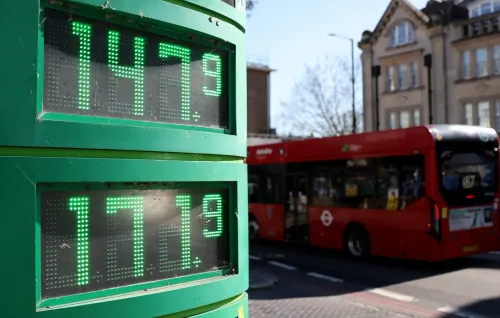
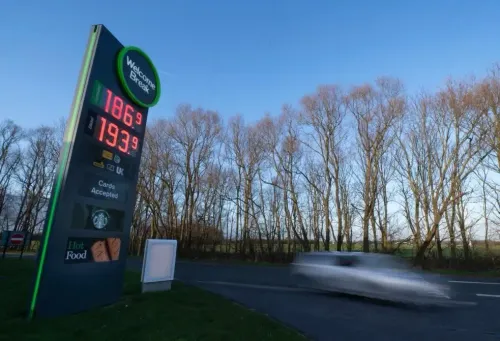
Ranking Member Adam Smith said US gas prices have risen by over $1 due to the conflict.
Dozens of countries are reportedly rationing gasoline amid the energy crunch.
The war has cost approximately $25 billion , mostly spent on munitions and operations, according to DoD Comptroller Jules W.
Defence Secretary Pete Hegseth defended the campaign, stating the US fights to win in every scenario.
Joint Chiefs Chairman Dan Caine warned that global risks are rising as conflicts increasingly affect both security and economic systems.
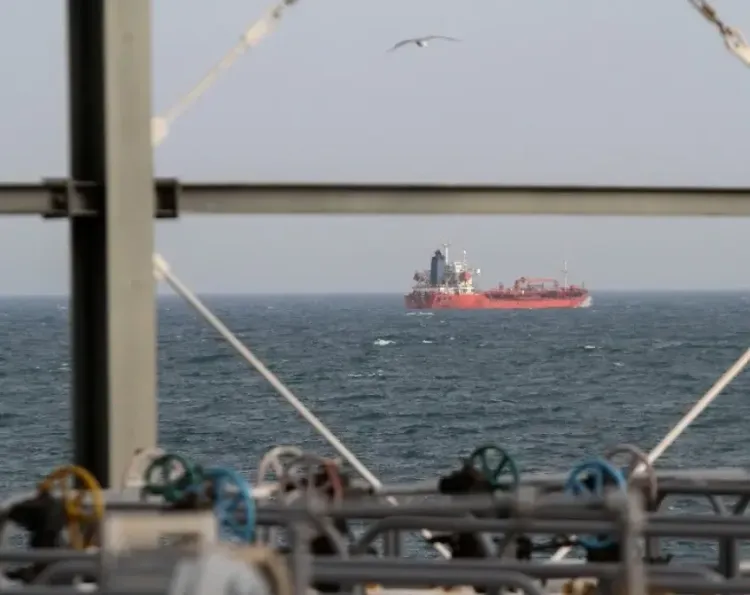
The ongoing US-Iran conflict is pushing up global fuel prices and tightening energy supplies, with lawmakers warning of mounting economic pressure on nations worldwide, according to testimony delivered at a congressional hearing on Wednesday, 30 April. Disruptions around the Strait of Hormuz — one of the world's most critical oil chokepoints — have emerged as the central concern driving the crisis.
Key Developments at the Congressional Hearing
At the hearing, lawmakers painted a stark picture of the war's economic fallout. Ranking Member Adam Smith said the damage is already visible on home soil.
Point of View
But actual disruption of transit, rather than the mere threat of it, represents a qualitative escalation. Lawmakers pressing Pentagon officials on whether economic consequences are being fully modelled suggests they are not. With dozens of nations already rationing fuel, the war's second-order effects risk outpacing its stated strategic objectives.
NationPress
15 Sept 2026
Frequently Asked Questions
How is the US-Iran conflict affecting oil prices?
The conflict has disrupted transit through the Strait of Hormuz, tightening global oil supply and pushing fuel prices higher. US lawmakers have noted that domestic gas prices have already risen by over $1 as a direct consequence.
What is the Strait of Hormuz and why does it matter?
The Strait of Hormuz is one of the world's most critical oil shipping chokepoints, through which a significant share of global crude oil flows. Any disruption there rapidly tightens supply and drives prices higher across international markets.
How much has the US-Iran war cost so far?
The war has cost approximately $25 billion, according to Department of Defence Comptroller Jules W. Hurst III, with most spending directed at munitions and military operations.
Which countries are being affected by the energy crisis?
According to Ranking Member Adam Smith, dozens of countries are currently rationing gasoline and experiencing severe economic pain as a result of the conflict-driven supply disruption.
What is the US government's position on continuing the conflict?
Defence Secretary Pete Hegseth defended the military campaign, saying it is necessary despite the economic strain, adding that the United States fights to win in every scenario.