Impact of Iran Conflict on India's Economic Ties with the Gulf
Synopsis
The ongoing US-Israeli conflict in Iran is straining India's economic ties with the Gulf. This disruption poses risks to trade, energy imports, and vital remittances, highlighting vulnerabilities in India's economic framework.
Key Takeaways
India's economic ties with the Gulf are under threat due to the US-Israeli conflict in Iran.
40% of India's oil and 80% of its gas imports come from the Middle East.
Rising energy prices are threatening India's growth and inflation balance.
10 million Indian expatriates in the Gulf contribute significantly to remittances.
India's stock markets have already declined by 10% in the past month.
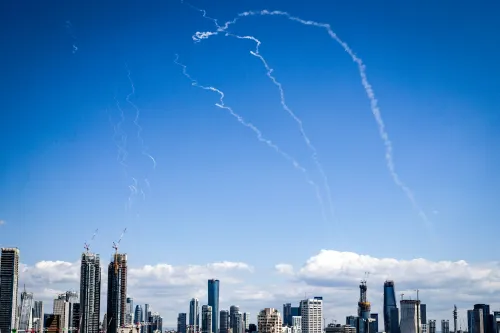
Washington, March 22 (NationPress) India's economic trajectory is currently under significant pressure due to the escalating US-Israeli conflict involving Iran, which is disrupting its longstanding connections with the Gulf region. This area is crucial for India's trade, energy supplies, and remittances, as highlighted in a report by the New York Times.
Just weeks prior, India was positioned favorably among global economies, showcasing strong growth, manageable inflation, and solid reserves. However, its increasing economic ties with the Gulf, once regarded as a strength, are now becoming a potential liability, according to the publication.
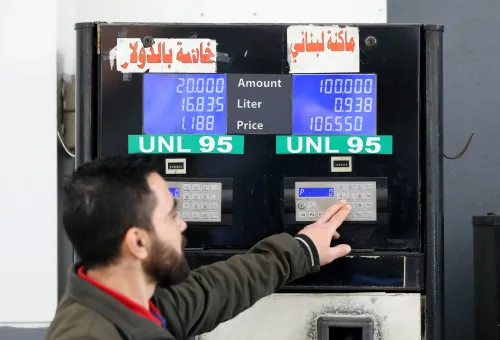
The report indicates that the ongoing conflict has generated a "perfect storm" for India, with the Middle East accounting for approximately 40% of its oil imports and 80% of its gas supplies. Rising energy costs are already impacting the economy, jeopardizing the equilibrium between growth and inflation.
Moreover, India heavily relies on the Gulf as an export destination. Disruptions to air travel, shipping, and business activities threaten to hinder trade flows. Key commercial centers like Dubai are vital for the global distribution of Indian products, the report notes.
The ramifications might also affect remittances. India is the largest recipient of funds from expatriate workers, with around 40% of this amount originating from the Middle East. A decline in the earnings of Indian workers in the region could further devalue the rupee, stated the prominent American newspaper.
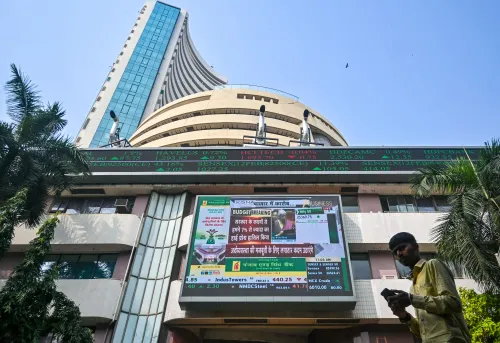
The report cites recent findings from Goldman Sachs, warning that India's "positive growth narrative" now faces a "new threat," exacerbated by increased energy costs, reduced exports, and declining remittance flows. Over the last month, India's stock markets have already experienced a drop of about 10%.
The Strait of Hormuz, a vital shipping route near Iran responsible for transporting roughly one-fifth of the world's oil supply, is integral to India's energy security. Any extended disruptions could burden public finances. Reports indicate that households are already experiencing shortages of cooking gas.
India imports nearly 90% of its crude oil, making it particularly vulnerable to fluctuations in global prices. Analysts referenced in the report caution that the nation's capacity to withstand a prolonged energy crisis will be tested.
Economist Rathin Roy advised that India must closely monitor its balance of payments, particularly as import costs rise while exports confront disruptions. Although foreign exchange reserves remain robust, they could come under strain if the crisis continues.
Approximately 10 million Indians reside and work in Gulf nations, many of whom send a substantial portion of their earnings back home, contributing to annual remittances of nearly $130 billion—an amount comparable to India's oil import expenses.
Point of View
The unfolding situation between the US-Israeli forces and Iran presents a complex and concerning challenge for India's economy. The country's reliance on Gulf nations for energy and trade underscores the need for strategic reassessment to mitigate potential impacts on growth and currency stability.
NationPress
21 Sept 2026
Frequently Asked Questions
How does the Iran conflict affect India's oil imports?
The conflict disrupts India's supply chain, with the Gulf region accounting for about 40% of its oil imports, making it vulnerable to rising prices and supply interruptions.
What percentage of remittances to India comes from the Gulf?
Approximately 40% of India's remittances, which total nearly $130 billion annually, originate from workers in Gulf countries.
What are the potential economic impacts of rising energy prices?
Rising energy prices could lead to inflation, affect growth rates, and strain public finances, especially as India imports around 90% of its crude oil.
How is the stock market responding to these developments?
India's stock markets have already seen a decline of about 10% over the past month, reflecting concerns over the economic impact of the conflict.
What steps should India take to mitigate these risks?
India should closely monitor its balance of payments and explore diversifying its energy sources to reduce dependency on the Gulf.