Navigating Turbulence: India's Strategic Neutrality in West Asia
Synopsis
Amid escalating tensions in West Asia, India adopts a strategy of neutrality, balancing its relationships with key players like the US, Israel, and Iran. This careful approach not only safeguards its economic interests but also positions India as a stabilizing force in a volatile region.
Key Takeaways
India's strategic neutrality emphasizes restraint and dialogue.
The Gulf region is vital for India's economic interests.
India maintains balanced relationships with rival actors.
Flexibility in energy sourcing is crucial for India's energy security.
This approach minimizes risks of diplomatic fallout.
New Delhi: The persistent turmoil in West Asia, especially the escalating tensions involving the US, Israel, and Iran, has drawn in the Gulf states, creating one of the most unstable situations in recent history. For India, which has significant economic and strategic interests in West Asia, this crisis offers both challenges and opportunities. New Delhi has adopted a meticulously balanced policy of strategic neutrality, prioritizing restraint, dialogue, and diplomatic engagement over overt alignment with any party. This approach embodies India’s broader foreign policy principle of strategic autonomy and plurilateralism, aiming to nurture balanced relationships with various stakeholders.
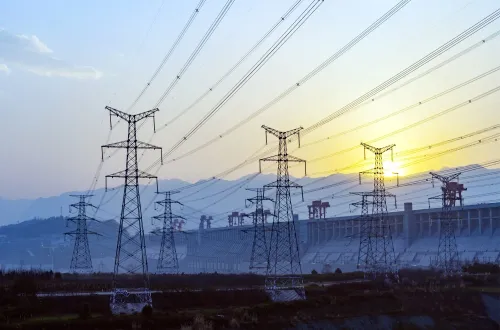
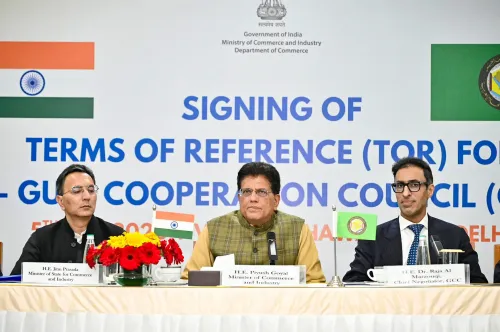
India’s position is not merely a diplomatic tactic; it is a strategic imperative because West Asia is crucial for India’s economic security. The Gulf region is home to nearly nine million Indian expatriates and generates over $50 billion annually in remittances, making up 38 percent of India’s total remittance value. The Gulf Cooperation Council (GCC) is one of India’s largest trading partners, and a significant portion of India’s oil and gas imports transit through the Strait of Hormuz, highlighting the necessity of regional stability for India’s energy security.
India’s Look West diplomatic strategy has transformed into what analysts refer to as de-hyphenation. This strategy allows India to cultivate independent bilateral relations with rival regional actors, including Israel, Iran, and the Arab Gulf states, without allowing their conflicts to dictate its policy decisions. For example, India enjoys robust defense and technological cooperation with Israel while recognizing Iran’s strategic role in regional connectivity projects like the Chabahar port, which provides access to Afghanistan and Central Asia without passing through Pakistan. Concurrently, India is engaged in the India-Middle East-Europe Corridor (IMEC). Additionally, India must balance its defense ties with the US, particularly concerning foundational agreements that support its rise as an Indo-Pacific power.
In light of the ongoing conflict and the evolving energy crisis, India has chosen not to explicitly endorse any military action, instead highlighting the importance of respecting sovereignty, safeguarding civilians, and pursuing diplomatic resolution. Such carefully crafted statements enable New Delhi to retain dialogue with all parties while ensuring that no vital relationship is compromised.
India’s diplomatic stance yields several economic benefits during geopolitical disturbances.
Firstly, it allows India to diversify its energy imports and secure supplies from various partners. Given the disruptions in the Persian Gulf, India is exploring alternative sources like the US, Russia, Norway, and Canada to offset supply interruptions. This adaptability enables India to cushion the economic fallout from regional volatility while ensuring ongoing energy security.
Secondly, this diplomatic posture amplifies India’s bargaining power in global energy markets. By fostering positive relationships with both Gulf suppliers and alternative providers, India can negotiate advantageous energy deals, particularly in the future, and avoid entanglement in geopolitical conflicts such as sanctions or embargoes.
Thirdly, India’s balanced approach safeguards its extensive economic network in the region. West Asia serves not just as an energy supplier but also as a crucial hub for Indian trade, investment, and logistics. Disruptions in maritime routes or political relations could severely affect Indian exports and financial flows. By maintaining its current strategy, India minimizes the chances of retaliatory actions or diplomatic fallout from any regional player.
However, this approach is not without its risks. The intensifying conflict in West Asia could potentially lead to inflation and threaten critical maritime trade routes vital to India’s economy. Prolonged instability may also strain India’s relations with competing regional players if pressure mounts for clearer alignments. Nonetheless, India’s existing strategy showcases a pragmatic understanding of geopolitical dynamics. Instead of choosing sides in a highly polarized conflict, New Delhi has adopted a policy of strategic hedging, maintaining relationships across the regional spectrum while protecting its economic interests.
India’s approach to the ongoing conflict illustrates a foreign policy crafted to navigate an increasingly intricate global landscape. By balancing relations with Israel, Iran, the Gulf states, and the US, India ensures its energy security, protects its diaspora, and maintains essential trade and defense networks. This stance not only boosts India’s diplomatic credibility but also positions it as a stabilizing force in a turbulent region.
In a world increasingly characterized by geopolitical fragmentation and intensifying great-power competition, India’s capability to sustain constructive relations across competing blocs could become one of its most significant strategic advantages. Rather than narrowing India’s options, the policy of strategic neutrality, underpinned by strategic autonomy and plurilateralism, can enable New Delhi to transform geopolitical turmoil into diplomatic and economic prospects.
(The author is a retired Captain from the Indian Navy. The views expressed are personal.)
Point of View
India's approach to navigating the complex geopolitical landscape of West Asia reflects a nation-first strategy. By maintaining strategic neutrality, India effectively safeguards its economic interests while promoting stability in a region marked by competing agendas.
NationPress
13 Oct 2026
Frequently Asked Questions
What is India's stance on the West Asia conflict?
India has adopted a policy of strategic neutrality, emphasizing dialogue and diplomatic engagement without overt alignment with any party.
Why is West Asia important for India?
West Asia is crucial for India’s economic security, with nearly nine million expatriates and significant remittances contributing to India's economy.
What is 'de-hyphenation' in India's foreign policy?
'De-hyphenation' refers to India's ability to maintain independent relationships with rival actors like Israel and Iran without allowing their conflicts to dictate its policies.
How does India's neutrality impact its energy security?
By diversifying energy imports and maintaining ties with multiple suppliers, India enhances its bargaining power and security in the global energy market.
What are the risks of India's current diplomatic strategy?
While the strategy has advantages, risks include potential inflation and strain on relationships with regional actors amid increasing pressure for alignment.