India's Strategic Balancing Act in West Asia: Strengthening Gulf Ties While Engaging Iran

Synopsis
Discover how India is navigating the complex geopolitical landscape of West Asia, enhancing ties with Gulf nations while strategically engaging with Iran. This approach underscores India's commitment to safeguarding its national interests amidst regional tensions.
Key Takeaways
India is enhancing ties with Gulf nations while engaging Iran.
The strategy reflects India's multi-alignment approach to foreign policy.
Economic ties are vital, driven by energy imports and expatriate contributions.
India aims for regional connectivity through projects like Chabahar Port.
Diplomatic balance is crucial amidst rising regional tensions.
New Delhi, April 12 (NationPress) India has embraced a strategically nuanced approach in West Asia, enhancing its relationships with Gulf countries while sustaining a cautious yet vital interaction with Iran amidst the prevailing regional turmoil, as reported in an article.
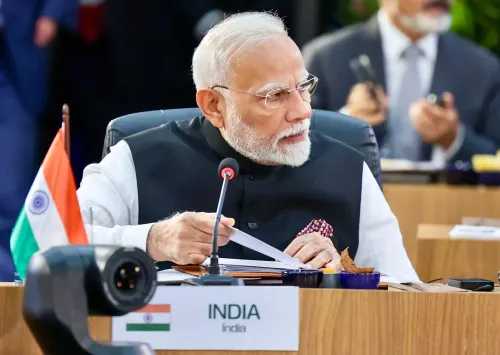
The response from New Delhi to the escalating tensions between the US, Israel, and Iran illustrates its overarching strategy of "multi-alignment", which aims to safeguard core national interests without becoming embroiled in local conflicts, according to Bashir Ali Abbas's piece in South Asian Voices.
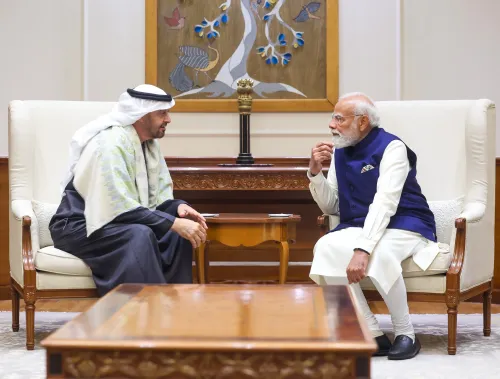
The article highlights India's increasing strategic partnership with the Gulf, particularly with nations like Saudi Arabia and the United Arab Emirates. This shift is motivated by a mix of economic, energy, and diaspora-related factors. The Gulf region is a significant source of crude oil imports for India, and the millions of Indian expatriates residing there play a crucial role in economic contributions through remittances. Over recent years, the collaboration has expanded beyond traditional sectors to encompass defense cooperation, technology, and infrastructure investments.
Simultaneously, the article emphasizes that India has not completely pivoted away from Iran. Despite challenges from US sanctions and geopolitical dynamics, New Delhi regards Tehran as an essential ally for regional connectivity, especially through initiatives like the Chabahar Port, which grants India access to Afghanistan and Central Asia by circumventing Pakistan.
The report indicates that India's careful interaction with Iran is also visible in its diplomatic communications. Instead of adopting overtly biased stances in the ongoing conflict, New Delhi has consistently advocated for de-escalation, dialogue, and adherence to international law. This balanced approach enables India to maintain constructive relations with all parties involved, including Israel, Iran, and the Gulf Arab nations.
Furthermore, it notes that India's diplomatic balancing act has become more intricate in the current crisis, as open conflicts and rising tensions threaten to disrupt energy supplies and trade routes. This situation has underscored the importance of India diversifying its collaborations while ensuring that no singular geopolitical transition compromises its strategic independence.
Abbas points out that India’s policy in West Asia is increasingly influenced by long-term geopolitical considerations rather than short-term alliances. While deeper integration with Gulf economies offers immediate economic advantages and political leverage, ongoing engagement with Iran remains vital for India's continental connectivity goals and its role in regional diplomacy.
The report also suggests that India’s strategy represents a broader evolution in its foreign policy—from non-alignment to multi-alignment—enabling it to engage simultaneously with competing powers like the United States, Russia, and various regional players in West Asia. This adaptability, the article argues, has allowed India to navigate crises without being forced into binary decisions.
However, the report warns that sustaining this equilibrium will become progressively more challenging if the conflict escalates. Any extended instability in the region could threaten India’s energy security, disrupt shipping routes, and compromise the safety of its expatriates.
The article concludes that India is poised to continue its pragmatic and interest-driven diplomacy in West Asia, skillfully managing its relationships with Gulf partners while keeping channels of communication with Iran open to protect its strategic, economic, and geopolitical interests.
Point of View
I see India's approach as a delicate balancing act in West Asia. The nation is prioritizing its strategic interests while fostering relationships with both Gulf nations and Iran, demonstrating a commitment to diplomacy that seeks long-term stability over immediate gains.
NationPress
19 Sept 2026
Frequently Asked Questions
What is India's strategy in West Asia?
India is pursuing a multi-alignment strategy, enhancing partnerships with Gulf countries while maintaining essential ties with Iran amidst regional conflicts.
Why is the Gulf region important to India?
The Gulf is crucial for India due to significant crude oil imports and the substantial contributions of the Indian diaspora living there.
How does India engage with Iran?
India engages with Iran by maintaining diplomatic channels and participating in regional connectivity projects like the Chabahar Port, despite US sanctions.
What challenges does India face in West Asia?
India faces challenges from rising tensions in the region, which could disrupt energy supplies and trade routes, necessitating a careful diplomatic approach.
What does multi-alignment mean for India?
Multi-alignment refers to India's strategy of engaging with multiple powers simultaneously, allowing it to navigate complex geopolitical landscapes without being drawn into binary conflicts.