India-UAE-Israel partnership can stabilise West Asia: Expert
Synopsis
A geopolitical expert writing in The Times of Israel argues that an India-UAE-Israel partnership — held alongside an open channel with Iran — could reshape West Asian stability. The analysis reframes Modi's Abu Dhabi visit not as a bilateral courtesy call but as a strategic signal: India is no longer just navigating the Middle East, it is beginning to set the terms.
Key Takeaways
Geopolitical expert Sergio Restelli argues in The Times of Israel that an India-UAE-Israel partnership can bring stability to West Asia .
PM Modi's visit to Abu Dhabi is framed as part of India's effort to define a more confident role in West Asia, beyond energy cooperation.
The UAE is described as India's West Asian anchor; Israel as a technology and defence accelerator; and Iran as a necessary connectivity and crisis-management channel.
Chabahar port is identified as the most tangible expression of the India-Iran partnership, critical for access to Afghanistan and Central Asia .
Restelli urges India to show it is 'not merely hedging, but building a coherent presence' across all three relationships simultaneously.
A India-UAE-Israel partnership, carefully calibrated alongside a sustained channel with Iran, could serve as a stabilising architecture for West Asia, according to Sergio Restelli, a geopolitical expert writing in The Times of Israel. Restelli argues that the art of Indian diplomacy lies in holding relationships with the UAE, Israel, and Iran in simultaneous conversation — without pretending they are interchangeable or equally weighted.
Modi's Abu Dhabi Visit: More Than a Bilateral Stop
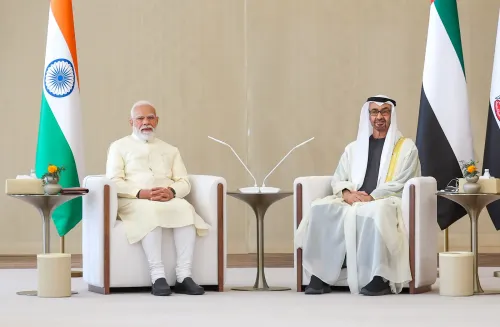
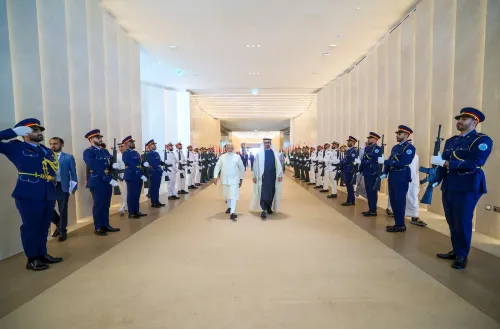
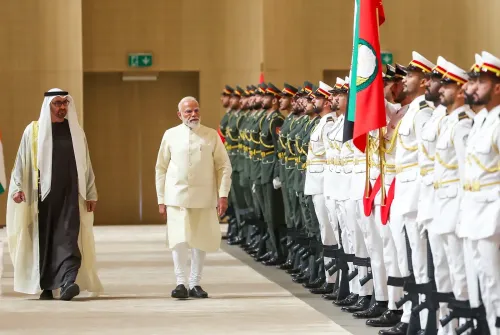
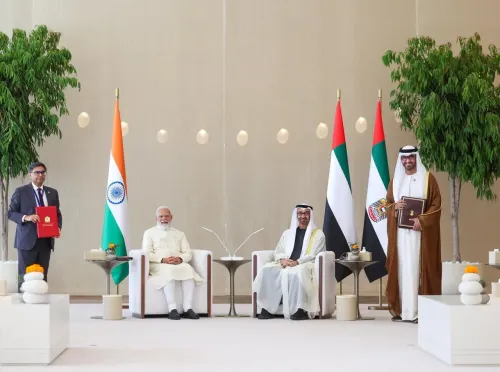
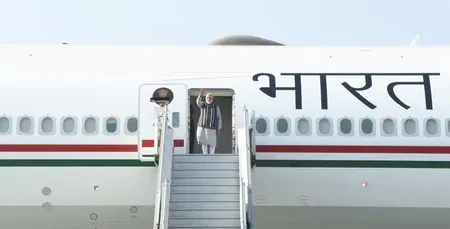
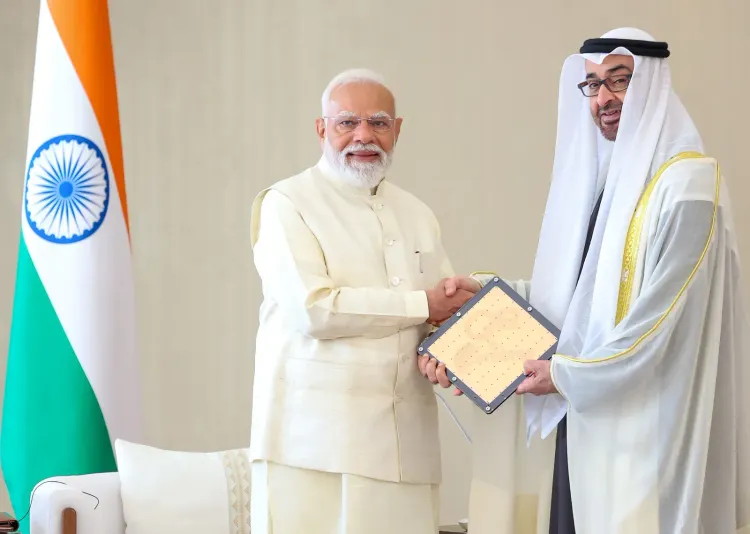
Restelli frames Prime Minister Narendra Modi's visit to the United Arab Emirates as arriving at a pivotal moment, with the ongoing Middle East conflict forcing every major power to re-examine its regional assumptions. For New Delhi, the relationship with Abu Dhabi extends well beyond energy imports — it offers a platform spanning investment, infrastructure, technology, defence, food security, and maritime connectivity.
Restelli describes Abu Dhabi as 'a partner capable of translating regional ambition into executable projects,' positioning Modi's visit not as a routine bilateral engagement but as part of India's deliberate effort to carve out a more confident role in West Asia. Notably, he argues that India is no longer merely navigating the Middle East — it is 'helping shape the terms on which the region connects to Asia and beyond.'
Energy Security and the Strait of Hormuz
Given India's dependence on imported crude, Gulf stability is effectively a domestic economic concern. Any disruption in the Strait of Hormuz, Restelli notes, reverberates through inflation, fiscal planning, industrial production, and household budgets — which explains why cooperation with the UAE on strategic petroleum reserves and LPG carries strategic weight. Beyond energy and remittances, the Gulf is also the maritime corridor through which India's future connectivity with the Mediterranean, Europe, and Africa will pass.
The UAE-Israel Axis and India's Role
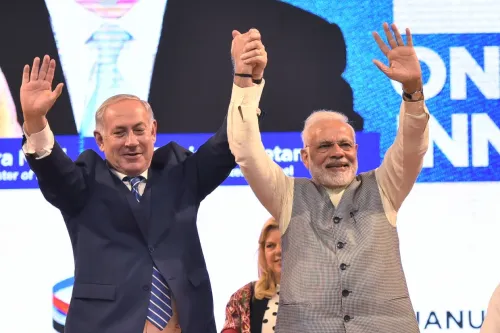
According to Restelli, Abu Dhabi is one of the few Arab capitals that has built a credible working relationship with Israel without abandoning its broader Arab and Islamic responsibilities. India's existing ties with Israel are already substantial — particularly in defence, agriculture, water management, cyber security, and technology. The UAE, meanwhile, contributes capital, geography, political access, and regional legitimacy.
'Together, the UAE and Israel form part of a more practical Middle Eastern architecture, one less animated by slogans and more by infrastructure, innovation and resilience,' Restelli writes. He characterises India's engagement with both nations as simultaneously developmental, commercial, and strategic — not merely political.
Iran: A Necessary Channel, Not a Closed Door
Restelli is emphatic that India cannot reduce its Middle East policy to a single axis. Iran remains central to India's access to Afghanistan and Central Asia, particularly through Chabahar port, which he calls 'the most tangible expression' of the India-Iran partnership — a relationship that has often had to operate under external pressure.
The recent visit of Iranian Foreign Minister Abbas Araghchi to Delhi, Restelli notes, did not erase differences between the two countries but confirmed that New Delhi sees value in keeping a serious diplomatic channel open with Tehran. 'In a region where crises can escalate quickly, the ability to speak to all sides is not a luxury. It is part of responsible statecraft,' he writes.
India's Emerging West Asia Strategy
Restelli maps out a clear hierarchy in India's regional calculus: the UAE is the anchor of India's emerging West Asian strategy; Israel is a critical accelerator in technology, defence, and innovation; and Iran remains a necessary channel for connectivity and crisis management. He urges India to demonstrate to Washington, Europe, and its regional partners that it is 'not merely hedging, but building a coherent presence.'
Ultimately, Restelli's assessment is that Modi's Abu Dhabi visit signalled India engaging the Middle East 'not as a supplicant for oil, nor as a distant moral commentator, but as a power with interests, partnerships and choices.' Whether New Delhi can sustain that posture across all three relationships simultaneously will define the credibility of its West Asia strategy in the years ahead.
Point of View
But the real stress test is sequencing: can India deepen its Israel defence ties without triggering Arab blowback, while simultaneously expanding Chabahar under the shadow of US sanctions on Iran? The analysis correctly identifies the UAE as the linchpin — Abu Dhabi's unique ability to hold both Israeli and Arab legitimacy is precisely what makes it useful to New Delhi. What the piece underplays is domestic political risk: India's large Muslim electorate and its traditional non-alignment posture constrain how openly New Delhi can formalise a trilateral architecture. The strategic logic is sound; the political bandwidth to execute it openly is a separate question.
NationPress
19 Sept 2026
Frequently Asked Questions
What is the proposed India-UAE-Israel partnership for West Asia?
Geopolitical expert Sergio Restelli argues that India, the UAE, and Israel together form a practical regional architecture built on infrastructure, innovation, and resilience. He contends that this partnership, balanced with an open diplomatic channel to Iran, can serve as a stabilising force in West Asia.
Why does Sergio Restelli consider Iran important to India's Middle East policy?
Iran is central to India's access to Afghanistan and Central Asia, particularly through Chabahar port. Restelli argues that keeping a serious diplomatic channel open with Tehran is 'part of responsible statecraft,' especially in a region where crises can escalate rapidly.
What is the strategic significance of PM Modi's visit to Abu Dhabi?
Restelli frames the visit as more than a bilateral engagement — it signals India's intent to play an active, interest-driven role in West Asia. The UAE offers India a platform for investment, defence, food security, maritime connectivity, and political access to the broader Arab world.
How does India's energy dependence shape its Gulf policy?
Because India relies heavily on imported crude, Gulf stability is effectively a domestic economic issue. Any disruption in the Strait of Hormuz directly affects inflation, fiscal planning, and household budgets, making UAE cooperation on strategic petroleum reserves and LPG a strategic priority.
What role does Israel play in India's West Asia strategy, according to the analysis?
Restelli describes Israel as a 'critical accelerator' for India in technology, defence, agriculture, water management, and cyber security. Combined with the UAE's capital and regional legitimacy, the India-UAE-Israel combination is seen as a commercially and strategically coherent grouping.