India-UAE energy and strategic ties in Gulf called 'rational policy': Report
Synopsis
A Bulgaria-based foreign policy publication has called India's Gulf strategy — anchored by a $101 billion UAE trade relationship, $5 billion in fresh investments, and a 4.3-million-strong diaspora — a 'rational policy'. But the report flags a complication: India's deepening UAE alignment drops it squarely into an intra-GCC rivalry that is fracturing over oil quotas, Yemen, and influence across Africa.
Key Takeaways
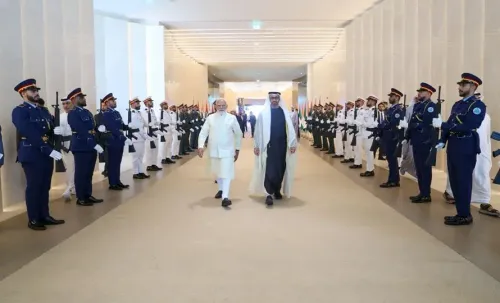
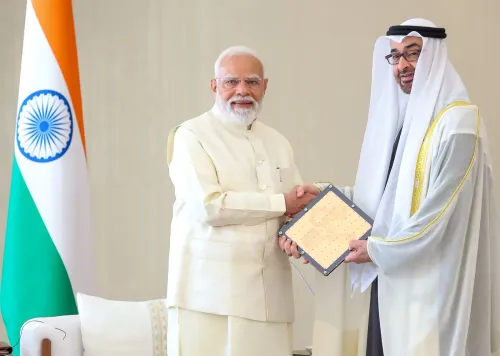
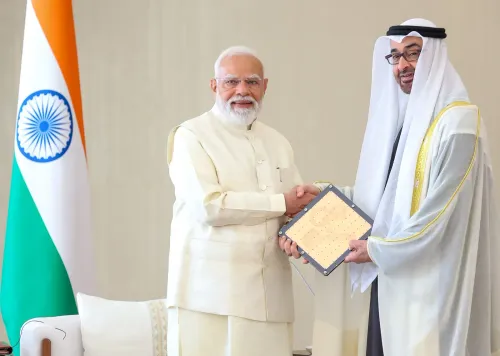
PM Modi visited Abu Dhabi on 15 May , signing deals on strategic petroleum reserves, LPG, defence, and $5 billion in investment commitments.
India-UAE bilateral trade has crossed $101 billion for a second consecutive year; both sides target $200 billion by 2032 .
Abu Dhabi exited OPEC in late April 2026 amid deepening tensions with Saudi Arabia over production quotas.
India's 4.3 million diaspora in the UAE makes up nearly 38 per cent of the country's population — described as a 'strategic asset' but also a source of vulnerability.
The Middle East Institute has described India's converging ties with the UAE and Israel as an emerging 'Indo-Abrahamic alliance'.
A Modern Diplomacy report characterises India's energy security and strategic diversification in the Gulf as a 'rational policy approach'.
India's deepening partnership with the United Arab Emirates (UAE) reflects a broader strategic convergence in the Gulf, according to a report by Bulgaria-based publication Modern Diplomacy. The engagement, which spans energy security, defence, and trade, intersects with intra-Gulf Cooperation Council (GCC) tensions and a shifting regional security architecture, the report noted.
Modi's Abu Dhabi Visit and Key Agreements
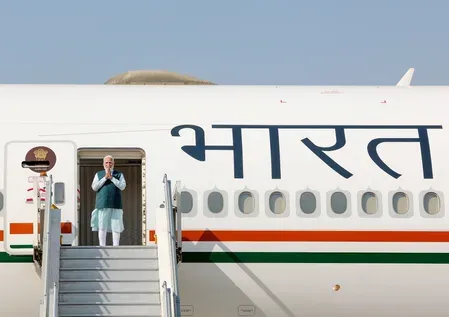
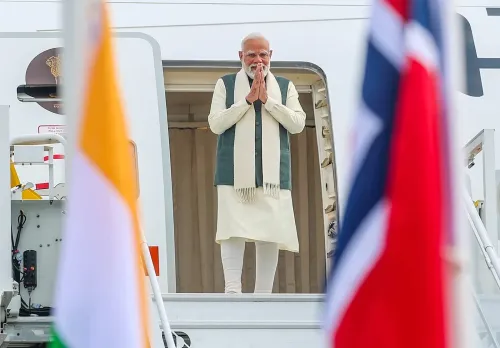
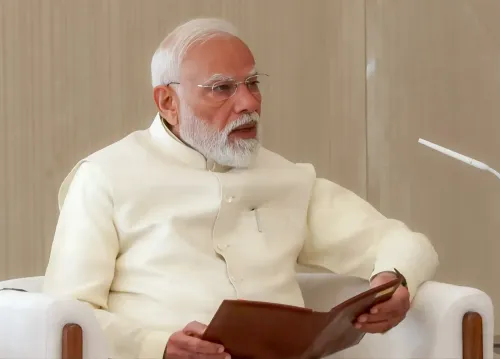
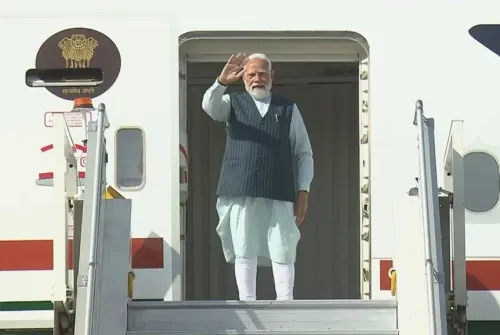
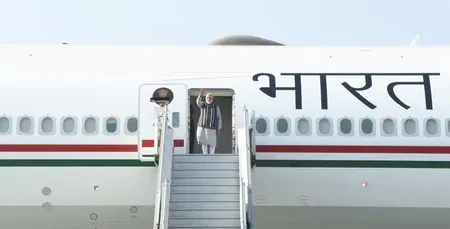
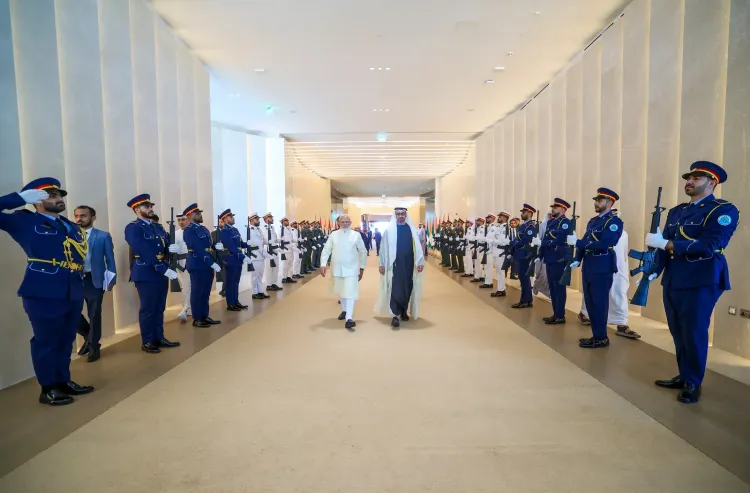
When Prime Minister Narendra Modi landed in Abu Dhabi on 15 May to begin a five-nation tour, the visit centred on energy security and economic cooperation. India and the UAE signed agreements covering strategic petroleum reserves, LPG supplies, defence cooperation, and roughly $5 billion in new investment commitments. Bilateral trade has crossed $101 billion for a second consecutive year, with both sides targeting $200 billion by 2032. 'The economic logic of the partnership is clear,' the report stated.
The Indo-Abrahamic Dimension
India's expanding Gulf engagement has increasingly converged with its strategic ties with Israel, a development the Middle East Institute has described as an emerging 'Indo-Abrahamic alliance' grounded in shared geopolitical interests. The report highlighted this triangulation as a notable feature of India's evolving regional posture.
Intra-GCC Fault Lines
Abu Dhabi's departure from the Organisation of the Petroleum Exporting Countries (OPEC) in late April 2026, following years of disagreements with Riyadh over production quotas, underscored a growing divergence between the Gulf's two most powerful states. The strains extend beyond oil: in late 2025 and early 2026, Saudi Arabia escalated pressure against the Emirati-backed Southern Transitional Council (STC) in Yemen, while competing interests in Sudan and Somalia have further strained the bilateral relationship. India's deepening alignment with the UAE thus places it within — not above — these intra-GCC fault lines.
The Diaspora Factor: Asset and Vulnerability
India's 4.3 million-strong diaspora in the UAE — comprising nearly 38 per cent of the country's population — is widely regarded as a 'strategic asset' given its significant economic contributions. However, the report cautioned that large diaspora populations bring complexity. International reports have documented ongoing challenges related to labour conditions and worker welfare in the Gulf, and Emiratisation policies aimed at increasing national workforce participation could create new pressures on the expatriate labour model. 'Demographic presence is a double-edged sword,' the report noted, 'one that generates both leverage and vulnerability depending on how regional labour markets and political sentiments evolve.'
India's Strategic Calculus
The report ultimately characterised India's Gulf ambitions as reasonable and pragmatic. As the world's most populous nation and fifth-largest economy, India's pursuit of energy security and strategic diversification is, the report concluded, a rational policy approach. This comes amid a broader Indian foreign policy trend of hedging across great-power rivalries while deepening bilateral economic linkages in its extended neighbourhood.
Point of View
Energy, investment. What the Modern Diplomacy report surfaces is the messier truth: by anchoring itself to Abu Dhabi, India has effectively taken a side in an intra-GCC rivalry that is fracturing in real time. Abu Dhabi's OPEC exit and its confrontation with Riyadh over Yemen and African influence mean India's 'strategic diversification' is, paradoxically, a form of concentration risk. The diaspora lever is equally double-edged — 4.3 million Indians are both a lobbying asset and a hostage to Emiratisation policy shifts. Delhi's bet is that economic interdependence is its own protection. That bet has historically held, but the Gulf's internal fault lines are widening faster than the trade numbers suggest.
NationPress
11 Oct 2026
Frequently Asked Questions
What agreements did India and the UAE sign during PM Modi's Abu Dhabi visit in May 2026?
India and the UAE signed agreements covering strategic petroleum reserves, LPG supplies, defence cooperation, and approximately $5 billion in new investment commitments during PM Modi's visit to Abu Dhabi on 15 May 2026. The visit was framed around energy security and economic cooperation.
What is the current state of India-UAE bilateral trade?
India-UAE bilateral trade has crossed $101 billion for a second consecutive year, according to the Modern Diplomacy report. Both sides are targeting $200 billion in bilateral trade by 2032.
Why did Abu Dhabi leave OPEC in 2026?
Abu Dhabi departed from OPEC in late April 2026 following years of disagreements with Saudi Arabia over production quotas. The exit underscored a broader divergence between the Gulf's two most powerful states, extending to competing interests in Yemen, Sudan, and Somalia.
How significant is the Indian diaspora in the UAE?
India's diaspora in the UAE numbers approximately 4.3 million people, making up nearly 38 per cent of the country's population. While regarded as a strategic asset due to significant economic contributions, reports have flagged ongoing challenges around labour conditions, and Emiratisation policies could pressure the expatriate labour model.
What is the 'Indo-Abrahamic alliance' referenced in the report?
The Middle East Institute has used the term 'Indo-Abrahamic alliance' to describe the emerging convergence of India's strategic ties with both the UAE and Israel, based on shared geopolitical interests. The Modern Diplomacy report highlights this triangulation as a notable feature of India's evolving regional posture.